Insects need help against climate change
Insects urgently need help to survive climate change. Their decline threatens pollination and entire ecosystems worldwide.

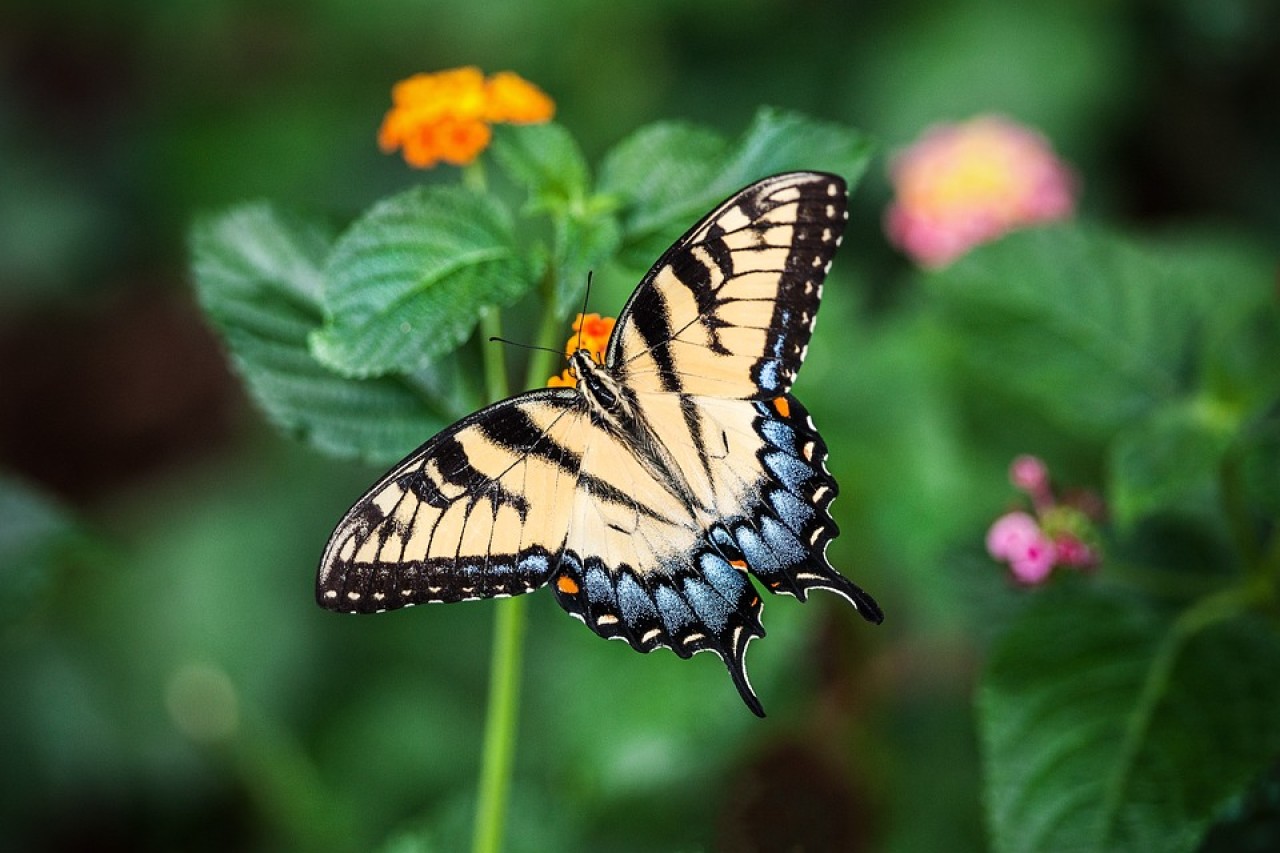
Although science has already warned of an alarming decline in insect populations, not much has been done so far to address this problem at a global level.
Now an international team of experts provides a compelling overview of the role of climate change and climatic extremes in insect decline.
70 scientists warn of insect extinction
«If no measures are taken to better understand and mitigate the impacts of climate change on insects, we will drastically curtail our chances of a sustainable future with healthy ecosystems.» This is the warning contained in a paper, authored by 70 scientists from 19 countries around the world as part of the «The Scientists‘ Warning» series.
«Climate change is exacerbating other environmental problems caused by humans», says lead author Jeffrey Harvey of the Netherlands Institute of Ecology. «These include habitat loss and fragmentation, various forms of pollution, overfishing and invasive species.»
Insects play a crucial role in many ecosystems, making this problem extremely urgent as ecosystem loss continues to increase.
Heat, drought and sterility
«The gradual rise in global surface temperature affects the physiology, behavior, phenology, distribution and interactions between species. But more frequent and longer-lasting extreme events are also leaving their mark», says Harvey.
Fruit flies, butterflies and mealworm beetles are capable of surviving heatwaves, but they can be sterilised and become unable to reproduce. Bumblebees in particular are highly sensitive to heat, and climate change is now considered a primary factor in the decline of several North American species.
«Cold-blooded insects are among the groups of organisms most severely affected by climate change, as their body temperature and metabolism are closely linked to the temperature of the surrounding air», says Harvey.
Billion-dollar contribution to the global economy
Insects also play a crucial role in supporting the global economy through services such as pollination, pest control, nutrient cycling and waste decomposition. These vital services contribute to the sustenance of humanity and generate billions of dollars annually for the global economy.
The late renowned ant ecologist Edward O. Wilson once said: «It is the little things that run the world.» Harvey adds: «And they do!»
The ability of insects to adapt to global warming is further hampered by human threats such as habitat destruction and pesticides. Heatwaves and droughts can drastically damage insect populations in the short term, making it harder for insects to adapt to gradual warming.
What each individual can do
The paper includes solutions and management strategies. Individuals can contribute by cultivating a variety of wild plants that provide insects with food and shelter during extreme climatic conditions. It is also recommended to reduce the use of pesticides and other chemicals.
«Insects are tough little creatures, and we should be relieved that we can still correct our mistakes», said Harvey. «We really need to implement policy measures to stabilise the global climate. In the meantime, all of us — at both the governmental and individual level — can help make urban and rural landscapes more insect-friendly.» Further background on the topic can be found in the Environment and Conservation section.