India closes all zoos and tiger reserves
Several Asiatic lions are showing coronavirus symptoms at the zoo. India closes all zoos and tiger reserves to protect the animals.

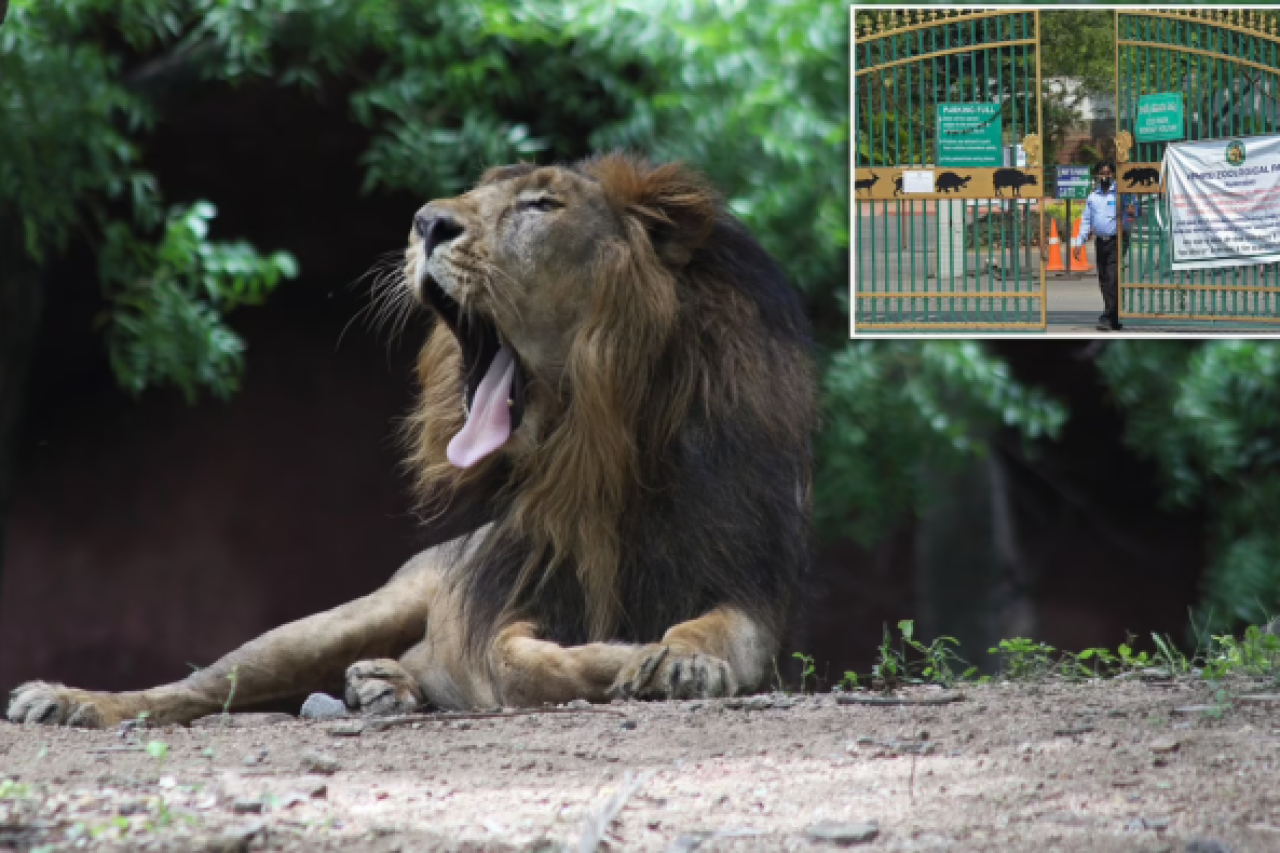
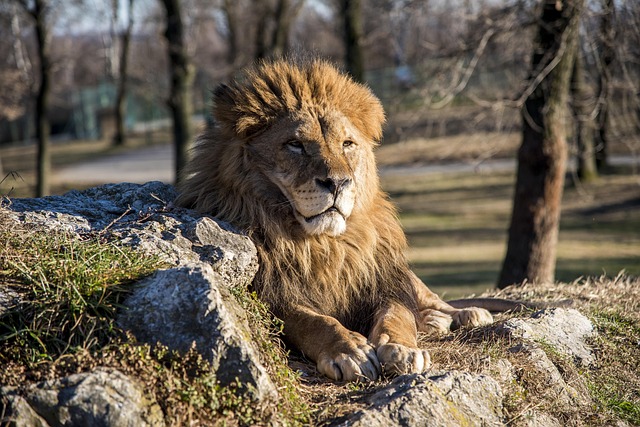
Several Asiatic lions, an endangered species numbering only in the hundreds, had been showing symptoms of coronavirus at the zoo.
On 3 June 2021, a symptomatic 9-year-old lioness named Neela died. It remains unclear whether Covid-19 was the direct cause of the animal's death.
Zoo officials and a team of veterinarians immediately placed all the lions in quarantine and began treating them with antibiotics. They have taken samples from lions, tigers, and other large mammals to be tested, hoping that genetic sequencing can reveal which strain of the virus infected the lions.
The Chief Minister of Tamil Nadu, MK Stalin, visited the zoo on 6 June 2021 to discuss the situation with a number of other ministers and wildlife authorities. Stalin ordered officials to ensure that all zoo staff and animal keepers are vaccinated and that theinfected lions receive the best possible treatment, according to a statement.
The outbreak followed eight positive cases in March among lions at a zoo in Hyderabad. Similar outbreaks were also reported at lion enclosures in zoos and safari parks in Jaipur and Etawah. As a precautionary measure, Tamil Nadu closed its zoos to visitors on 20 April.
Animals in other parts of the world have also been infected. In New York, a number of tigers and lions at the Bronx Zoo tested positive for Covid-19 in April 2020 after showing symptoms such as coughing. They have since recovered.
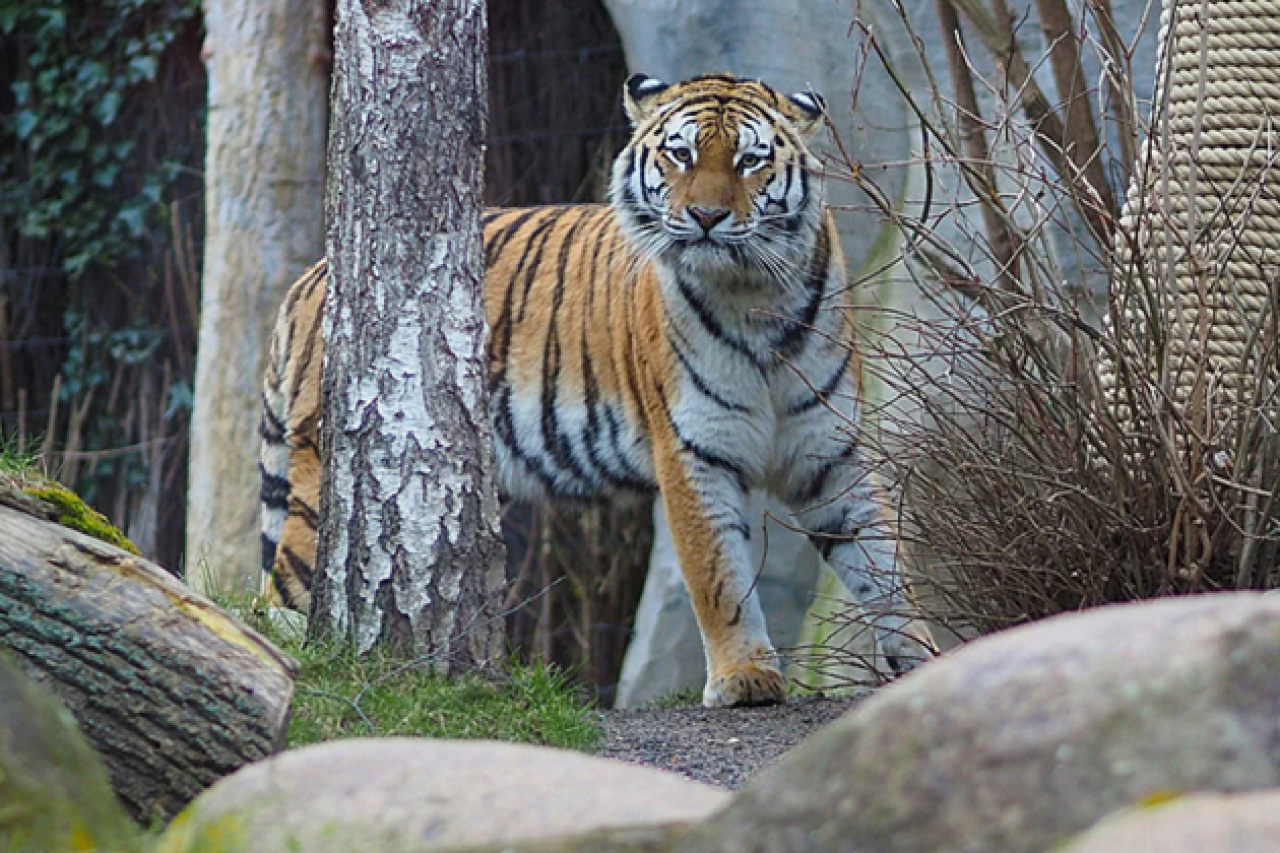
The news raised concern among zoologists — following the spread of the Bronx Zoo infections, India's National Tiger Conservation Authority ordered all of the country's tiger reserves to monitor their tigers for symptoms and to ensure that all animal handlers tested negative for Covid.
The most recent outbreaks of Covid-19 follow India's second wave of the virus, which began in mid-March and peaked in early May. It killed tens of thousands of people, infected millions, brought the nation to its knees — and also exposed animals to a higher risk of infection, said Nikolaus Osterrieder, Dean of Veterinary Medicine and Life Sciences at the City University of Hong Kong.
It is probably no coincidence that in India, where there are many cases, transmission to animals is occurring as a direct consequence. The more human cases there are, the greater the likelihood that animals — including zoo animals — will become infected.
Nikolaus Osterrieder, Dean of Veterinary Medicine and Life Sciences at the City University of Hong Kong
Cats such as lions and tigers are particularly susceptible to severe illness, he added. While animals such as mink and ferrets may be more prone to infection, they generally do not develop severe clinical symptoms — whereas members of the cat family, which includes domestic cats, can succumb to the disease.
Endangered species such as the Asian lioness Neela are at risk. Asian lions once roamed habitats from Africa to Greece, but today are found only in India, according to the International Union for Conservation of Nature's Red List of Threatened Species.
According to the WWF, only 523 known individuals remain — and they face widespread threats from poaching, habitat fragmentation, and human activities such as wildlife tourism.
The zoo outbreaks «show only that humans can transmit pathogens to animals, and not just the other way around«, said Osterrieder, pointing to diseases introduced by humans that now threaten mountain gorilla species. «We must always be aware of this.«