Lynx illegally shot in Thuringia
A strictly protected lynx has been illegally shot in Thuringia. Police are investigating, and NABU is calling for clarification.

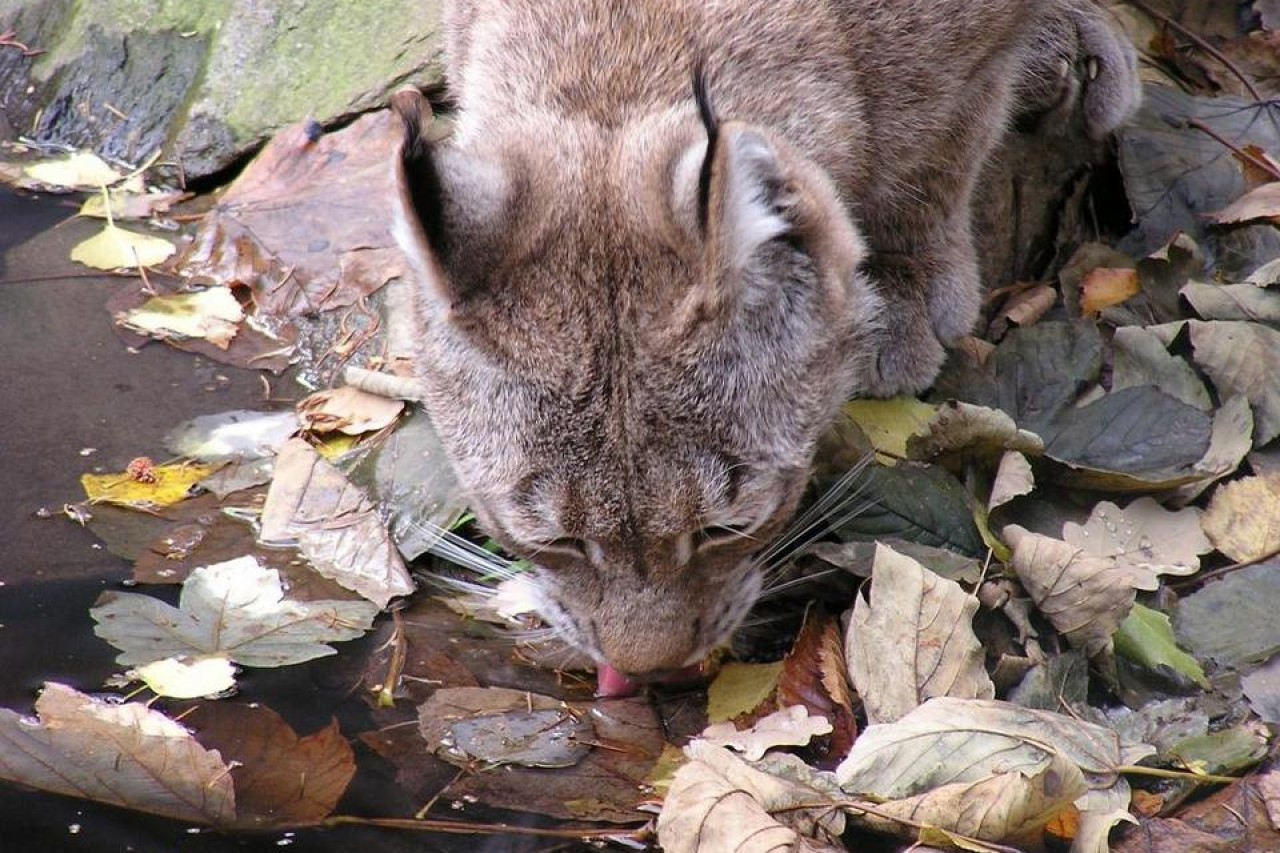
A lynx has been illegally killed in Thuringia.
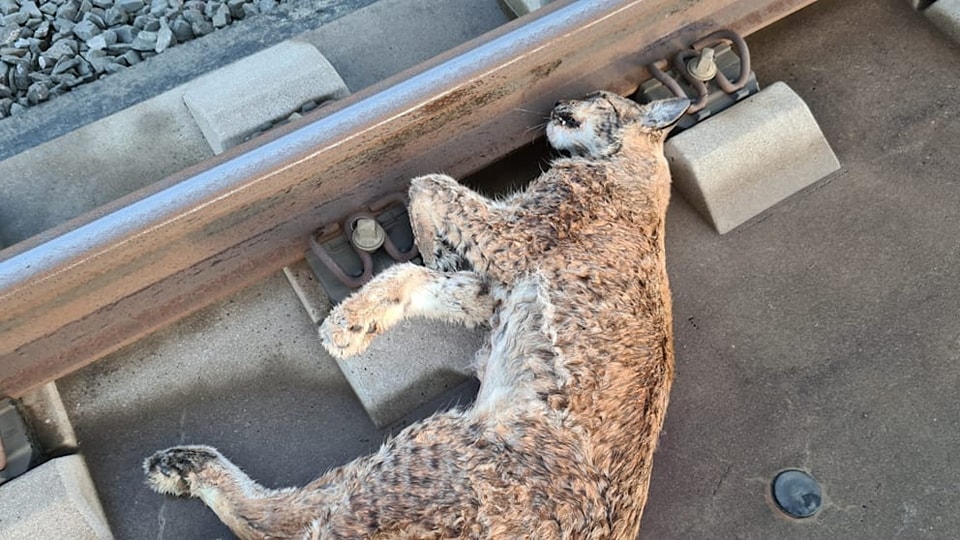
On 3 January 2022, employees of Deutsche Bahn found a dead lynx with a bullet wound along a railway line near Buttstädt (Sömmerda district). Police have since launched an investigation, and the responsible lower nature conservation authority has also been notified.
The killing of this lynx fills me with immense sadness. Not only is the lynx a strictly protected species — only a handful of these rare animals have even been spotted in Thuringia at all. Greater biodiversity and species diversity protect the foundations of our lives. Such an illegal killing is a sad setback for the development of the lynx population and must be prosecuted.
Environment Minister Anja Siegesmund
The Thuringian Competence Centre for Wolf, Beaver and Lynx, which is based at the Ministry of the Environment, arranged for the lynx to be transported to the Leibniz Institute for Zoo and Wildlife Research in Berlin. The institute is responsible for post-mortem examinations of wolves and lynxes found dead across Germany. In addition to establishing the cause of death, further data (e.g. genetic information) relevant to monitoring will be gathered there. The suspicion of an illegal killing of the strictly protected species has been confirmed: an initial examination revealed projectile fragments inside the animal's body. The final examination results from Berlin will be forwarded to the police and the responsible lower nature conservation authority so that further steps to investigate the criminal offence can be initiated.
Any information relating to the illegal killing of the lynx found near Buttstädt on 03.01.2022 can be reported to the Criminal Investigation Department Erfurt on weekdays by calling 0361/574324003 or by email (KPI.Erfurt@polizei.thueringen.de) .
NABU Thuringia calls for clarification
«This is unfortunately not an isolated incident,» said Silvester Tamas, NABU Thuringia's project lead for lynx. It happens in Germany it repeatedly occurs that these strictly protected animals are illegally persecuted and killed. Most recently, a lynx was shot in Bavaria in October 2020.Suspects often come from the ranks of the recreational hunters, said Tamas. In Thuringia, six animals have so far been confirmed, according to NABU.
Lynx spreading only hesitantly
Since the lynx, following its extermination in many parts of Europe, is spreading only very slowly, the species is listed as a strictly protected species in, among others, the European Fauna-Flora-Habitat Directive in Annexes II and IV. The Federal Nature Conservation Act classifies the lynx as both a specially and strictly protected animal species. The high protection status entails, among other things, a prohibition on killing. In Germany, the Eurasian lynx is additionally classified as “Critically Endangered” on the national Red List due to its rarity. Killing this strictly protected species constitutes a criminal offence punishable by several years of imprisonment.
Further information on the animal welfare problems of recreational hunting can be found in the dossiers published by Wild beim Wild.
RECREATIONAL HUNTER RADAR
On the trail of concealed animal welfare offences, poaching and/or criminal activity? Report suspected cases to us! Help with the great Recreational Hunter Radar.

More on the subject of recreational hunting: In the dossier Poaching and hunting crime in Switzerland we document cases, legal questions and recurring patterns. What the research says about this is shown by Hunting fact-checked: the state of research.
The position of IG Wild beim Wild: IG Wild beim Wild rejects recreational hunting. Our model is the canton of Geneva, which has managed without recreational hunting since 1974: without hunting seasons, without hunting dogs, without driven hunts, without high seats, without the animal cruelty and crime that go hand in hand with hunting season elsewhere. What has worked there for over fifty years disproves every position paper by JagdSchweiz. An association that bases its policy on claims it refutes in its own documents is not a professional organisation, but a factory for misinformation.