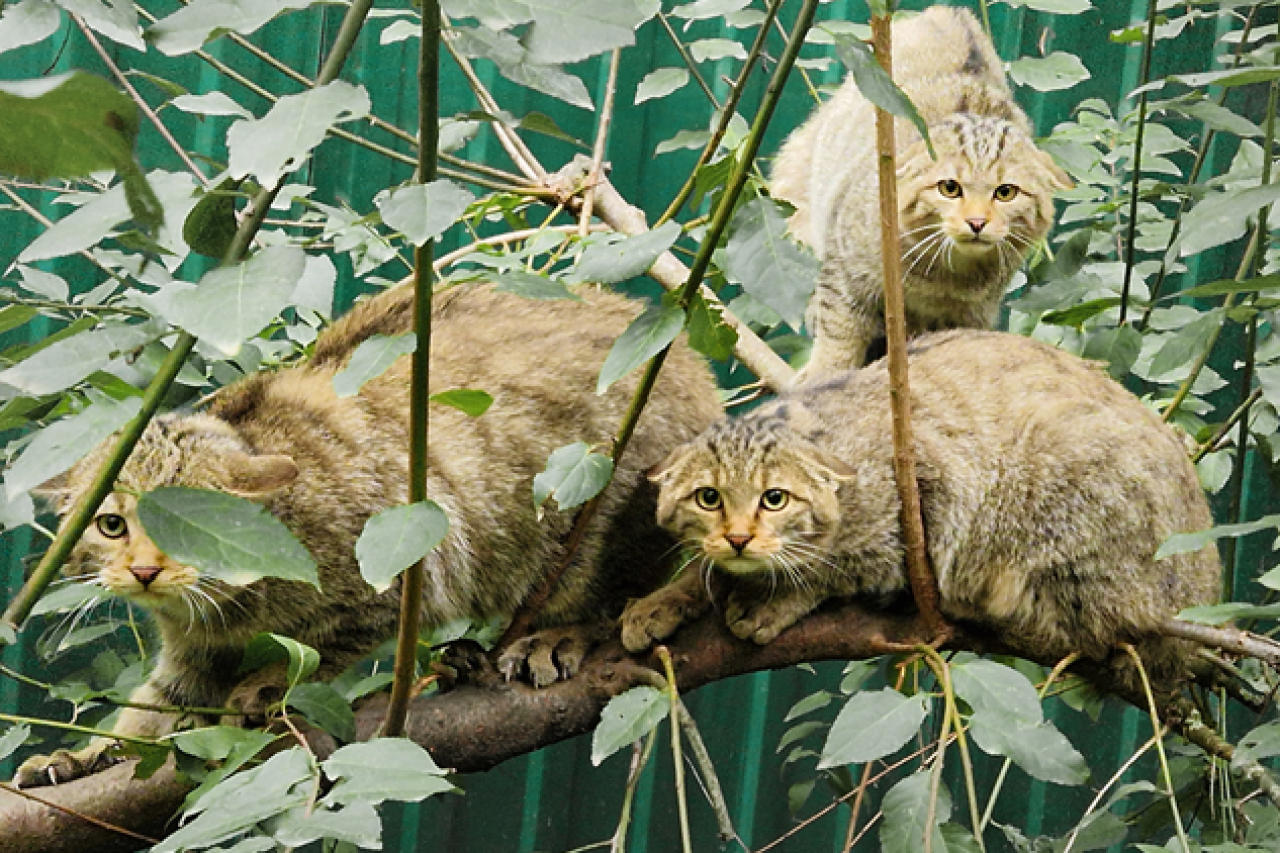
Iberian Lynx: Brought Back from the Brink of Extinction
The greatest success story in feline conservation is not the doubling of the global tiger population or the rescue of the Amur tiger and the northern lion from the abyss of biological history — it is the comeback of a lynx species on the Iberian Peninsula.

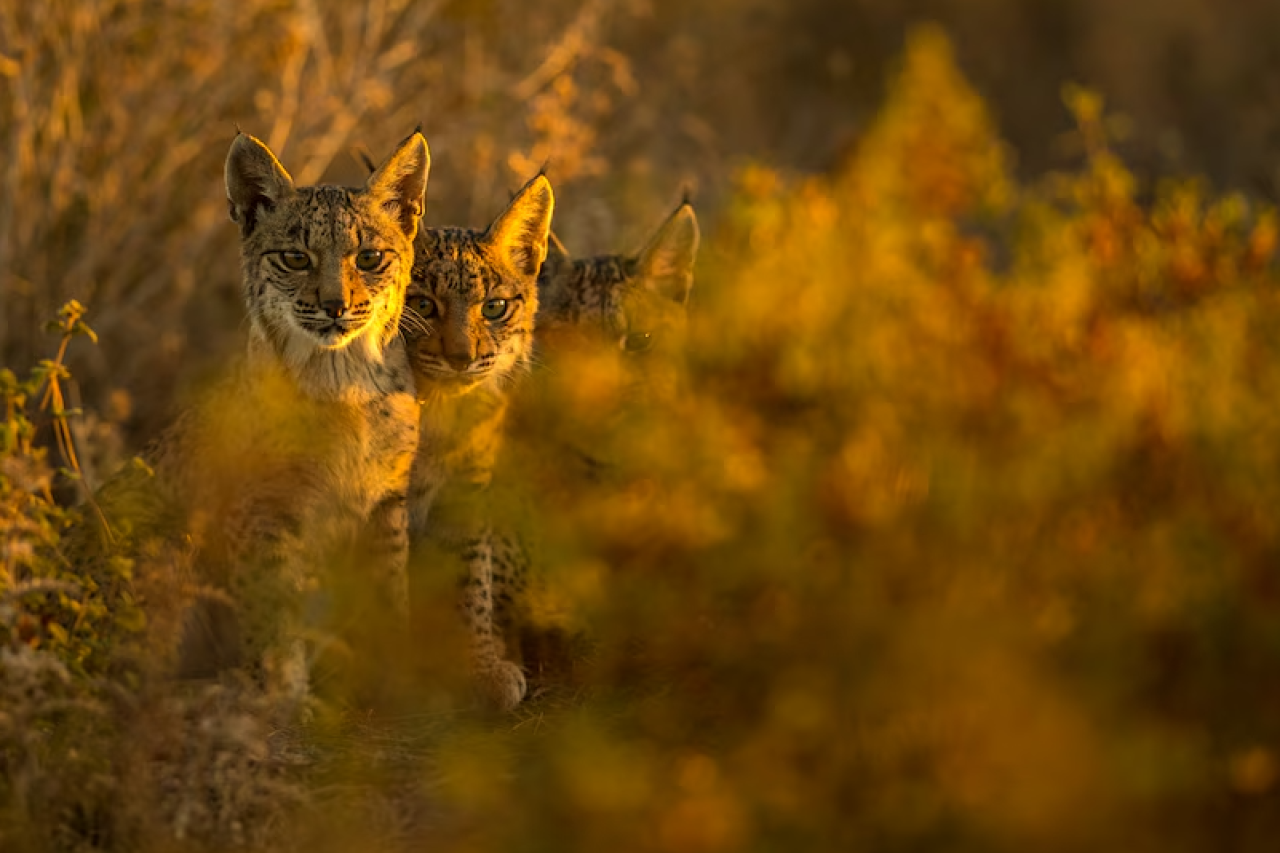
This slender, spotted cat with its characteristic pointed ears and tufts of fur on its face and feet has grown from 62 individuals counted in a survey in 2002 to around 2’000 in the most recent estimates.
For an animal found in the rarely wild countries of Spain and Portugal, this is a remarkable achievement attributable to the work of many individuals.
“The greatest recovery of a feline species ever achieved through conservation is the result of dedicated collaboration between public institutions, scientific bodies, non-governmental organisations, private companies and members of the community, including local landowners, farmers, game wardens and hunters,” said Francisco Javier Salcedo Ortiz, who coordinates the EU-funded LIFE Lynx-Connect project in a statement.
The collapse of the Iberian lynx population coincided with a decline in the population of the European rabbit, its primary food source, as it was persecuted for the damage it causes to agriculture.
The restoration of the rabbit population was linked to habitat restoration and breeding programmes for the lynx.
Groups such as the IUCN also worked closely with livestock farmers and landowners to win them over to the idea of reintroducing and protecting the lynx, thereby further reducing the number of deaths caused by poaching, retaliatory killings due to livestock predation, and road accidents.
Since 2010, more than 400 Iberian lynxes have been reintroduced in parts of Portugal and Spain, where over 600 adult lynxes are now raising young and roaming across more than 1,200 square kilometers.
Thanks to this coordinated effort, the International Union for Conservation of Nature (IUCN) Red List status was recently downgraded from “endangered” to “vulnerable” — and only just barely.
The only thing preventing the world’s leading conservation organization from declaring the lynx a “least concern” species is its vulnerability to sudden threats such as wildfires, a dramatic decline in rabbit populations that can be caused by disease, or a sudden weakening of its existing protective measures.
HOBBY HUNTER RADAR
On the trail of concealed animal welfare offenses, poaching, and/or criminal activity? Report suspicious cases to us! Help with the great hobby hunter radar.

Unterstütze unsere Arbeit
Mit deiner Spende hilfst du, Tiere zu schützen und ihrer Stimme Gehör zu verschaffen.
Jetzt spenden →