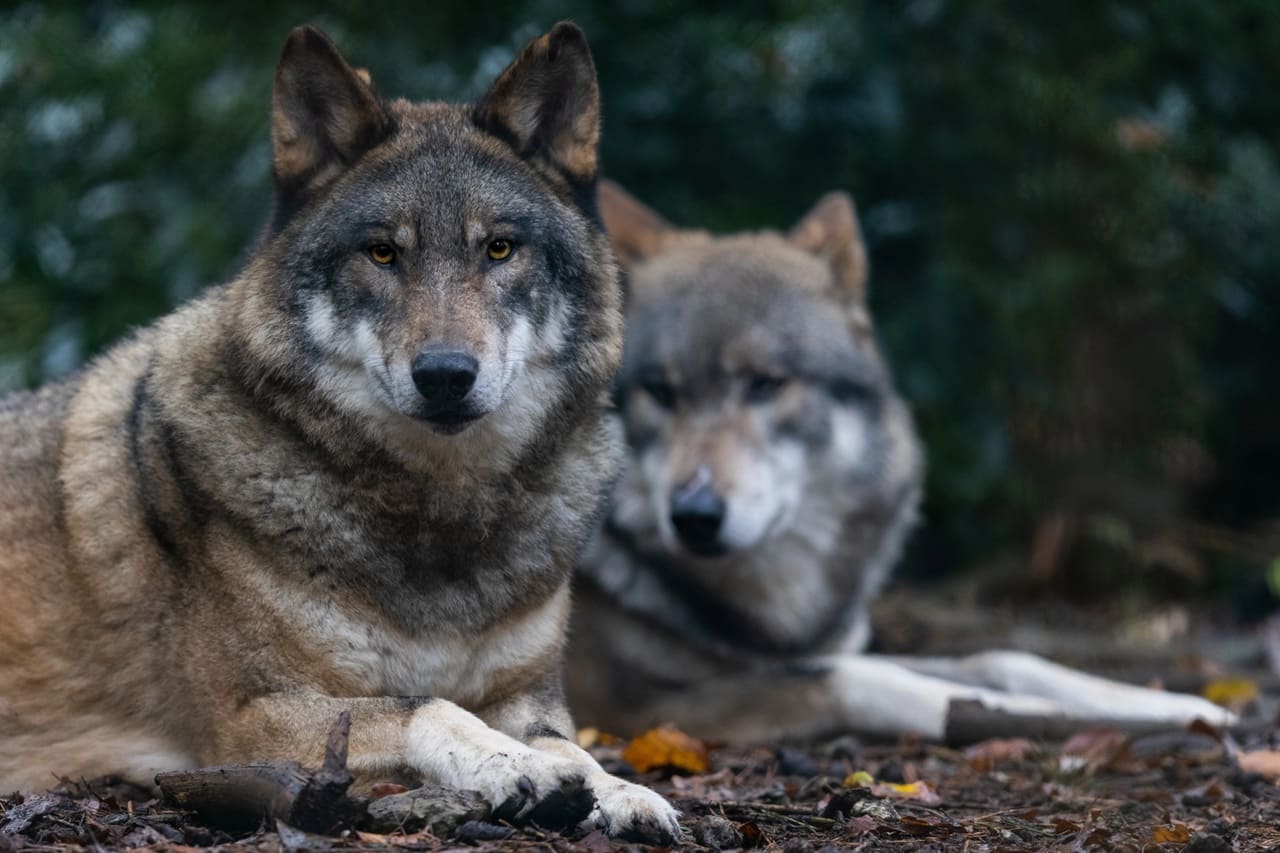
Recreational hunting is not the solution for forest conversion
Because they often cannot find anything else to eat, roe deer nibble on trees in the forest.

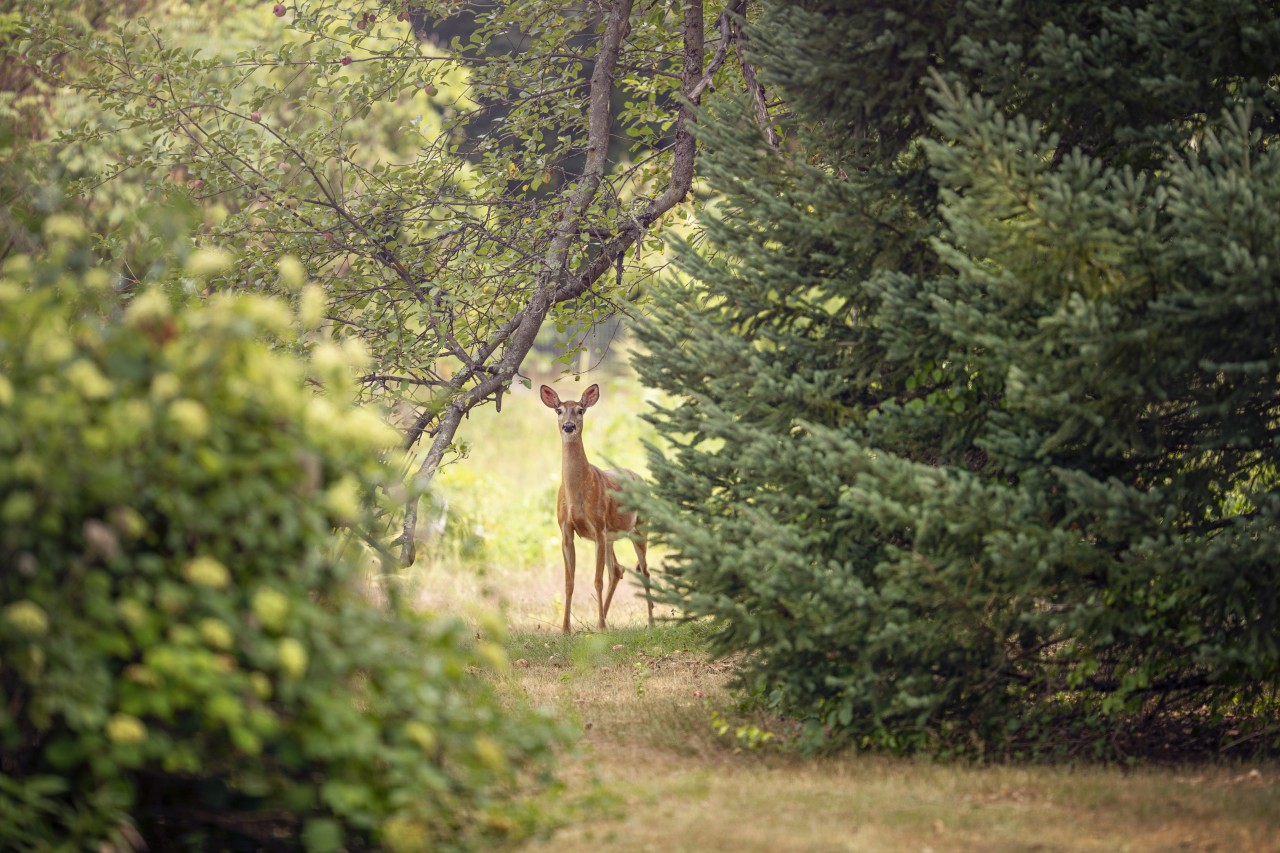
In doing so, they destroy a not insignificant portion of the young trees that are important for forest conversion.
Some are now calling for the roe deer to be shot. But this does not have to be the solution.
Hunting drives roe deer into the forest
Ilse Stroch, head of the Chair of Wildlife Ecology and Wildlife Management at the University of Freiburg, explains that recreational hunters are frequently present in forests, causing roe deer to hide. “Where roe deer and red deer are very shy due to heavy hunting pressure, they avoid areas with little cover, even if these offer good food. They then remain in the forest, where there is little to eat besides young trees”, Ilse Stroch describes the actual problem.
The researcher’s argument suggests that it is not roe deer that are hindering the necessary conversion of forests through their feeding behaviour. “The real problem is humans”, summarises Deutschlandfunk Nova reporter Vanessa Reske.
Less hunting, more tranquillity
One solution, however, would be to change the behaviour of wildlife. To do so, one would need to rethink the approach and hunt less rather than more. At the same time, roe deer would need alternative food sources and protected spaces. Roe deer also like to feed in clearings in the forest. If they feel undisturbed there, they may not even get the idea — or far less frequently — to feed on trees. Wildlife biologists therefore call for reducing recreational hunting and establishing wildlife quiet zones.
Further articles
- Wolves under constant fire: how Swiss hunting policy ignores science and ethics
- Protective forest: recreational hunting creates the problems it claims to solve
- The wolf is not the problem — it is the solution
- Forest conversion: paths to resilient mixed forests in the face of hunting
- Forest conversion at the Lukmanier Pass
- Hunting is not the solution for forest conversion
- Recreational hunters do not help forest conversion
- The conflict between forestry, hunting, and wildlife
More on the subject of recreational hunting: In our dossiers on the criticism of recreational hunting gather fact-checks, analyses and background reports. What the research says about this is shown by Hunting fact-checked: the state of research.
The position of IG Wild beim Wild: IG Wild beim Wild rejects recreational hunting. Our model is the canton of Geneva, which has managed without recreational hunting since 1974: without hunting seasons, without hunting dogs, without driven hunts, without high seats, without the animal cruelty and crime that go hand in hand with hunting season elsewhere. What has worked there for over fifty years disproves every position paper by JagdSchweiz. An association that bases its policy on claims it refutes in its own documents is not a professional organisation, but a factory for misinformation.