Tanzania: Maasai demand ban on trophy hunting and import bans on hunting trophies
A tourism model by the Maasai, presented in Geneva, calls for trophy hunting in Tanzania to be banned outright and for the import of hunting trophies to be stopped internationally.
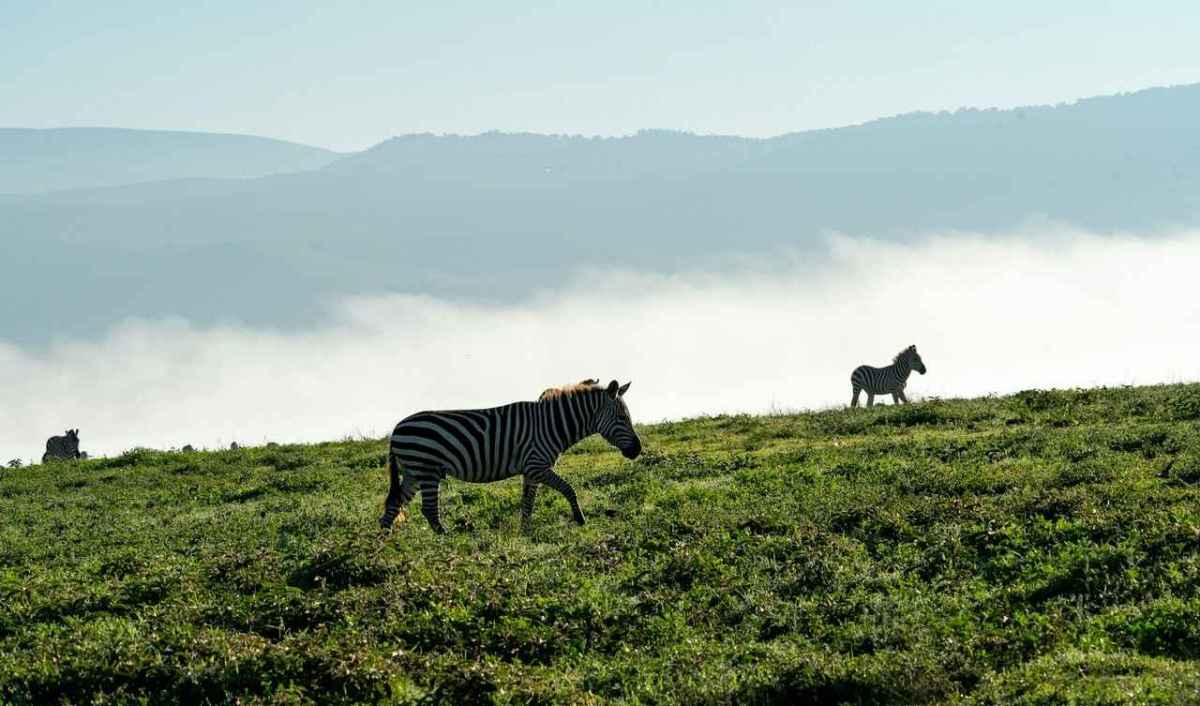
Illustrative image: zebras in the Ngorongoro Crater, Tanzania. Photo: Mustafa Masetic / Unsplash
Safari
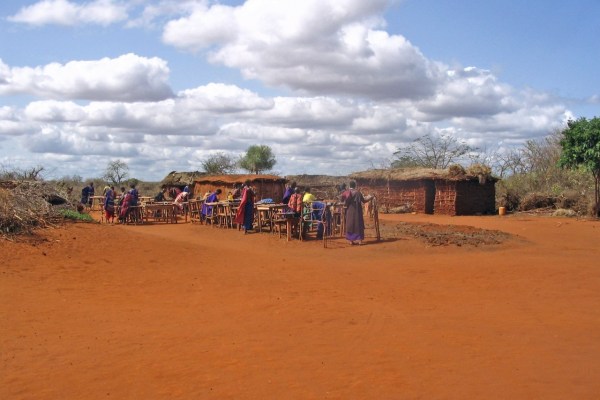
Maasai communities in northern Tanzania are calling for a complete ban on trophy hunting in their country and for international import bans on hunting trophies. This is set out in the tourism model “Our Land, our Life, our Future”, which the Maasai International Solidarity Alliance (MISA) presented in Geneva on 3 November 2026. It is based on conversations with 652 people from 24 villages, as the summary of the report notes.
What the Maasai are demanding
For the report, MISA travelled through the districts of Ngorongoro, Monduli, Simanjiro and Longido in summer 2026. Those interviewed were 217 women, 234 young men and adolescents, and 201 elders, traditional authorities and village councillors. From these conversations the alliance derives four principles:
- No land grabbing: community and village land is to be protected, forced resettlements are to be prohibited, and land taken without consent is to be returned.
- No trophy hunting: Tanzania should ban it completely by law, and other states should prohibit the import of hunting trophies.
- No tourism without consent: the villages decide for themselves and are entitled to say no.
- No tourism without benefit to the community: community-run offerings, a transparent share of the revenue, and fairly paid jobs locally.
The model was presented at the Maison Internationale des Associations, as the Society for Threatened Peoples (GfbV) had announced. The event was organised by MISA, the GfbV, FIAN and Vivat International. It was followed the next day by a session at the Palais des Nations, and on 5 November the UN Human Rights Council reviewed Tanzania under the Universal Periodic Review. A Maasai delegation travelled through Switzerland, France, Belgium, Austria and Germany from 1 to 18 November.
Why trophy hunting is at the centre
The report treats trophy hunting as a main problem in its own right, separate from safari tourism. It contributes to land grabbing, the report says, because wildlife reserves and hunting control areas are created for it (Game Reserves, Game Controlled Areas, Wildlife Management Areas). It takes place without the free, prior and informed consent of the villages, makes wild animals more aggressive towards people, and puts business interests above rights and nature conservation.
The GfbV had already published initial findings on 25 September, World Tourism Day. Its Africa officer Laura Mahler described trophy hunting there as the strongest driver of land grabbing.
Set against this is the revenue: according to the report, tourism accounts for 17 per cent of Tanzania's gross domestic product and 25 per cent of its foreign-currency earnings. Little or none of it reaches the communities on whose land it takes place. The jobs are insecure and poorly paid, and the profits stay with investors and state actors.
Arrests and confiscated livestock
According to the Oakland Institute, the pressure on the Maasai has increased since August. In a statement of 12 October 2026, the US think tank reports more than 30 arrests within two months in the Ngorongoro area, five Maasai men who were arrested on the night of 6 October, held at the central police station in Arusha and released again the following night, and thousands of livestock confiscated in Loliondo. The government wants to raise the number of safari tourists and paying recreational hunters to eight million by 2030. These claims have not been independently verified.
Tanzania's government denies the allegations. It describes the resettlements as voluntary and defended its land and protected-area policy before the UN Human Rights Council on 5 November. UN experts had called in April for transparency and respect for indigenous rights in the Ngorongoro Conservation Area, where around 100,000 people, mostly Maasai, live across more than 829,000 hectares. How closely displacement and trophy hunting are linked in Loliondo is shown in the article Africa: People are losing their habitat because of trophy hunting.
Import bans: where Switzerland stands
The call for import bans is aimed at the countries where the paying clientele comes from. Belgium has banned the import of trophies of endangered species, France is halting them for threatened species. United Kingdom has granted 41 import permits despite promising a ban, Germany has not rejected a single application in three years.
In Switzerland, an import ban failed in 2022: the National Council had adopted the Chevalley motion in 2021, but the Council of States rejected it. Between 2010 and 2019, according to the Foundation for Animal Law, 3,185 trophies of endangered or severely threatened species entered the country, including 709 from African elephants. For new initiatives in the cantons, the template text «Import ban for hunting trophies» is available.
Comment: Those who want the trophy help pay for the displacement
The recreational hunting lobby likes to sell trophy hunting as development aid: the money from paying guests, it claims, benefits the local population and protects wild animals. Wild beim Wild took this narrative apart in the fact check on 14 lobby myths. The 652 voices from 24 villages contradict it first-hand: they describe a business that takes their land, is decided over their heads and profits at their expense. A survey is not proof. But anyone who continues to claim that trophy hunting benefits the people on the ground must explain why those very people are demanding its ban.
The Maasai do not reject tourism. They want to run it themselves, with living wild animals as its basis rather than dead ones as souvenirs. That is the counter-model to a leisure industry in which shooting a lion or an elephant becomes a status symbol (Trophy hunting dossier).
Switzerland is part of this chain. As long as trophies of endangered species may be legally imported, any criticism of displacement in Tanzania remains half-hearted. The demand from the villages of Ngorongoro, Monduli, Simanjiro and Longido is therefore also addressed to Bern: whoever bans imports deprives the business of its clientele.
Do you have a tip, a source or a correction for this article? Write to us.
Seen something yourself?
A driven hunt next to a hiking trail, a shot fired near houses, a trap in the forest or an injured wild animal: report it to the Recreational Hunter Radar. We check every tip-off and treat your details confidentially.
More on the subject of recreational hunting: In the dossier The Role and Criticism of Recreational Hunters we shed light on the training, power and self-image of recreational hunters. The scientific evidence is presented in the overview Studies on the Effects of Recreational Hunting.
The position of IG Wild beim Wild: IG Wild beim Wild rejects recreational hunting. Our model is the canton of Geneva, which has managed without recreational hunting since 1974: without hunting seasons, without hunting dogs, without driven hunts, without high seats, without the animal cruelty and crime that go hand in hand with hunting season elsewhere. What has worked there for over fifty years disproves every position paper by JagdSchweiz. An association that bases its policy on claims it refutes in its own documents is not a professional organisation, but a factory for misinformation.
Wild animals need a voice
Investigations, petitions and background on recreational hunting. As a thank-you, you will immediately receive our free guide «Recreational hunting on your doorstep: what you can do».
Support our work
With your donation you help protect animals and give their voice a hearing.
Donate now →