Hunting ban put to the test: why these 10 European protected areas thrive without recreational hunters
On 2,587 km², nature regulates itself without kill quotas. Data from ten large protected areas provide the proof.
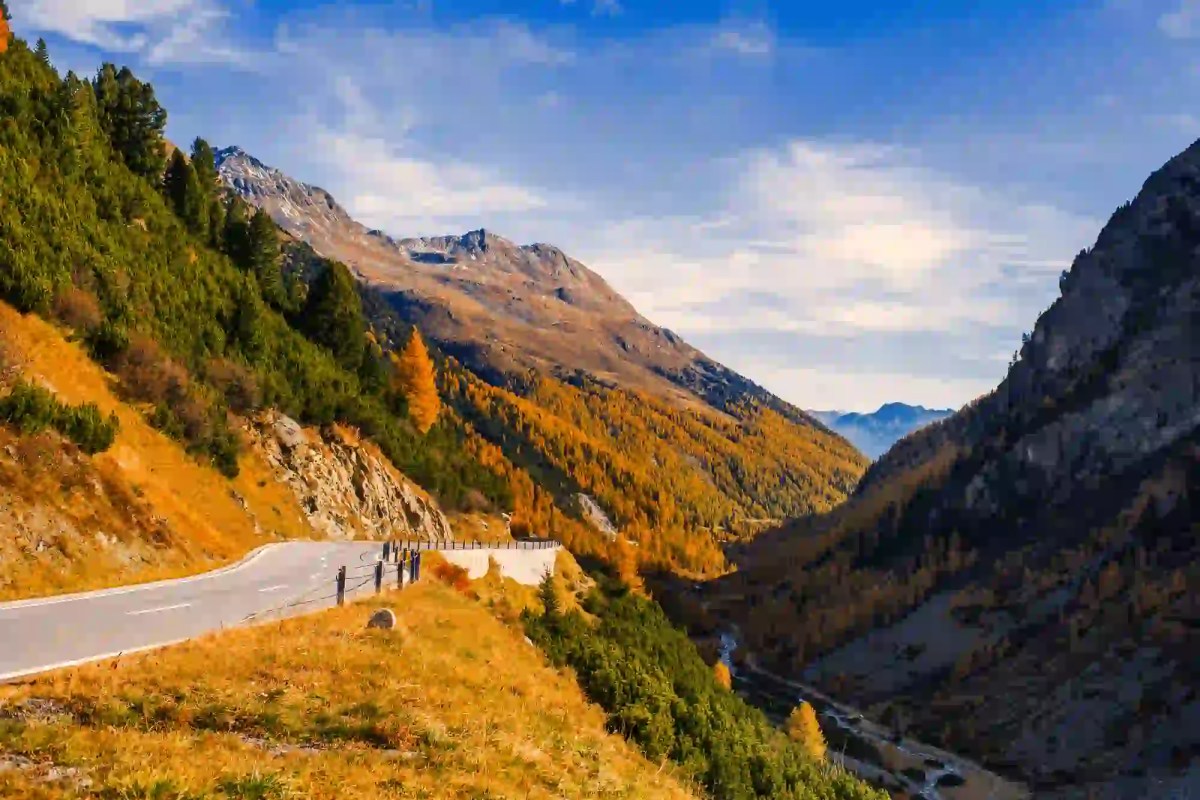
2,587 square kilometres, ten countries, one finding: where recreational hunting is banned, nature regulates itself.
Long-term scientific studies from major European protected areas show what happens when humans withdraw. Anyone who questions recreational hunting usually reaps apocalyptic prophecies from hunting associations. The data from ten major protected areas in Switzerland, Germany, Austria and Italy paint a different picture.
We have analysed the data.
The result: across a total area of 2,587 square kilometres – an area three times the size of Berlin – nature regulates itself successfully.
The pioneers: Geneva and the Swiss National Park
The best-known example lies in western Switzerland. Since the population of the canton of Geneva banned recreational hunting by popular vote in 1974, the area (282 km²) has been transformed into a natural paradise. Contrary to all warnings, the wildlife populations did not explode. Roe deer regulate their birth rates entirely naturally according to the available food supply. The almost exterminated hare celebrates record densities here, and the animals have lost their unnatural shyness. They are once again active by day and can be experienced by people.
The rifles have been silent for even longer in the Swiss National Park in Grisons. For over 110 years (founded in 1914), absolute freedom from hunting has reigned here across 170 square kilometres. The oldest protected area in the Alps proves empirically that red deer and chamois populations keep themselves healthy through harsh winters and density-dependent factors.
Germany and Austria: process protection instead of trophy hunting
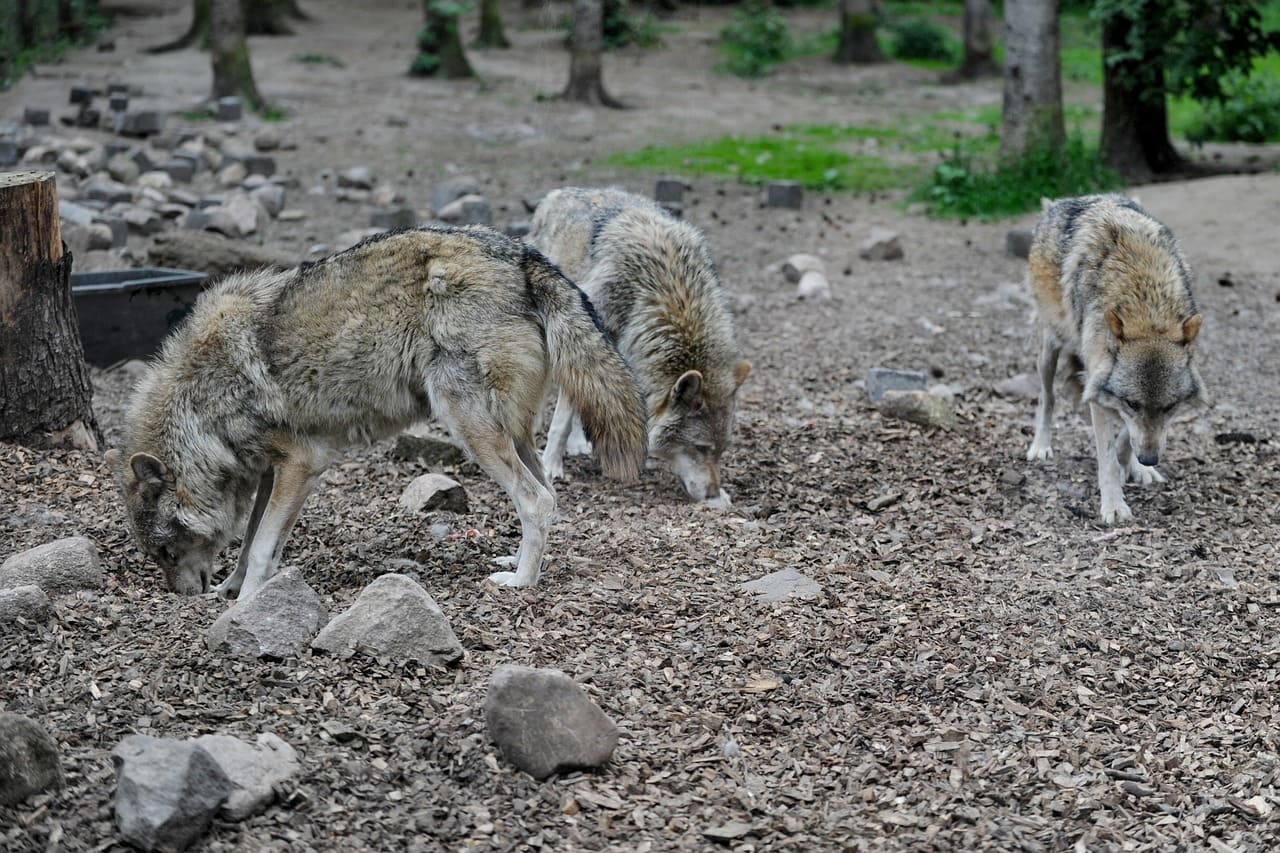
In the major German national parks such as the Bavarian Forest (249.5 km²) and the Hainich (75 km²), the principle of “letting nature be nature” is consistently practised. In the Hainich, hunting is completely banned on over 90 per cent of the area. The result? One of the highest densities of the endangered European wildcat, which needs the absolute peace of undisturbed deadwood forests to rear its young. In the Bavarian Forest, in turn, it is evident that after the hunting halt the return of lynx and wolf takes over natural predation flawlessly.
Hunting associations regularly cite browsing damage as an argument for kills. The population data from the Kalkalpen, however, reveal a different dynamic: across 75 per cent of the hunting-free area, the forest demonstrably regenerates better than in comparable hunted areas. Research explains this with altered spatial behaviour. Wildlife not subjected to permanent hunting pressure moves more evenly through the terrain and does not concentrate in narrow thicket areas.
Editorial comment: The argument that roe deer must necessarily be shot in order to save the forest can no longer be upheld in light of the Kalkalpen data.
Similar patterns can be observed in the Berchtesgaden National Park (210 km²), where wildlife in the hunting-free high mountains exerts considerably lower browsing pressure on forest regeneration, as well as in the Kellerwald-Edersee National Park (76.9 km²), where the beech forest soils have demonstrably been recovering since the introduction of complete hunting cessation.
Italy: Alpine wilderness in perfection
The largest contiguous hunting-free areas on our list lie in Italy. The Gran Paradiso National Park (703.2 km²) has banned all hunting since 1922. Together with the Belluno Dolomites National Park (315.1 km²), they form gigantic territories of self-regulation. Here it becomes clear: wild animals adapt their behaviour and reproduction precisely to the ecosystem – entirely without artificial kill quotas.
| Protected area (country) | Area (ha) | Area (km²) | Hunting status / effect |
|---|---|---|---|
| Gran Paradiso National Park (IT) | 71’044 | 703.2 | Absolute hunting ban since 1922. Animals have lost their unnatural shyness. |
| Belluno Dolomites National Park (IT) | 31’512 | 315.1 | Strict ban. Populations regulate themselves via climate and food. |
| Canton of Geneva (CH) | 28’249 | 282.5 | Recreational hunting ban since 1974. Hare densities at record levels, biodiversity markedly recovered. |
| Bavarian Forest National Park (DE) | 24’945 | 249.5 | Hunting-free core zones. Lynx and wolf take over predation. |
| Berchtesgaden National Park (DE) | 21’000 | 210.0 | Hunting ban in the high mountains. Less forest browsing thanks to relaxed wildlife. |
| Kalkalpen National Park (AT) | 20’856 | 208.6 | 75% of the area hunting-free. Excellent, natural forest regeneration. |
| Swiss National Park (CH) | 17’030 | 170.3 | Total hunting freedom since 1914. Ungulates stabilise themselves biologically. |
| Danube Floodplains National Park (AT) | 9’600 | 96.0 | Hunting-free core zones. Less wildlife stress during flood disasters. |
| Kellerwald-Edersee National Park (DE) | 7’688 | 76.9 | Complete hunting cessation. Recovery of the valuable beech forest soils. |
| Hainich National Park (DE) | 7’500 | 75.0 | 90% hunting-free. A refuge and record density for the shy wildcat. |
| TOTAL | 259’428 | 2’587.2 | European proof: nature does not need recreational hunters! |
Nature needs heritage protection – not the recreational hunter
The facts gathered here strip recreational hunting of any ecological justification. When, across almost 2,600 square kilometres of utterly different habitats – from alpine altitudes through dense beech forests to urban cultivated landscapes – the system works splendidly without guns, a fundamental question arises:
Why do politicians and authorities in the rest of the country continue to cling to an outdated, bloody hobby?
These ten protected areas are no longer an experiment. Across almost 2,600 square kilometres and over decades, they deliver consistent data: wildlife populations regulate themselves stably without kill quotas. Habitats recover. Predators return and take on ecological functions.
Editorial comment: If politicians and authorities ignore this evidence and continue to describe recreational hunting on public land as a conservation tool, that is not a technical decision but a political one.
Support our work
With your donation you help to protect animals and give their voice a hearing.
Donate now →LET'S STAY IN TOUCH!
We would like to send you the latest news and offers in our newsletter.