Humans and Animals: A Difficult Love
From hunting to domestication, from coexistence to exploitation: the relationship between humans and animals is complex and contradictory.


«When hunting began, it was not a human hunting an animal.
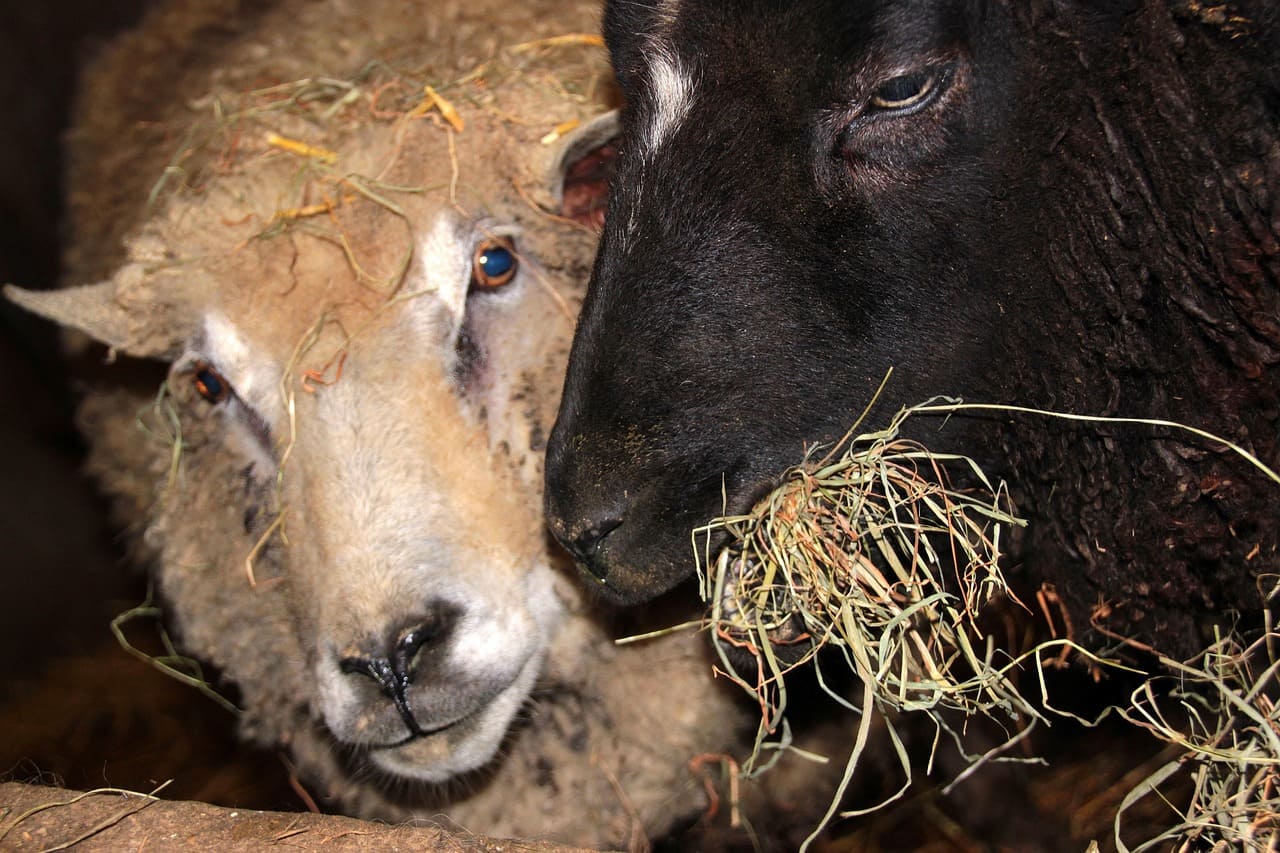
It was a being hunting another being.» So writes the Italian essayist Roberto Calasso in his book «The Celestial Hunter», describing in a few words how it all began: the beginning of our story, when humans and animals were not yet separate beings, but equal creatures who shared dusty prairies and dark forests together. A time when animals were totems from which we drew strength, manifestations of a transcendent dimension, sacred and divine beings that — in the form of constellations — could even bring order to the eternal chaos of the stars. Today, things have definitively changed. 12 billion chickens and tens of millions of cows, pigs and goats live and survive in factory farming, and our planet seems to have become too small for a peaceful and respectful coexistence with these ancient companions of ours.

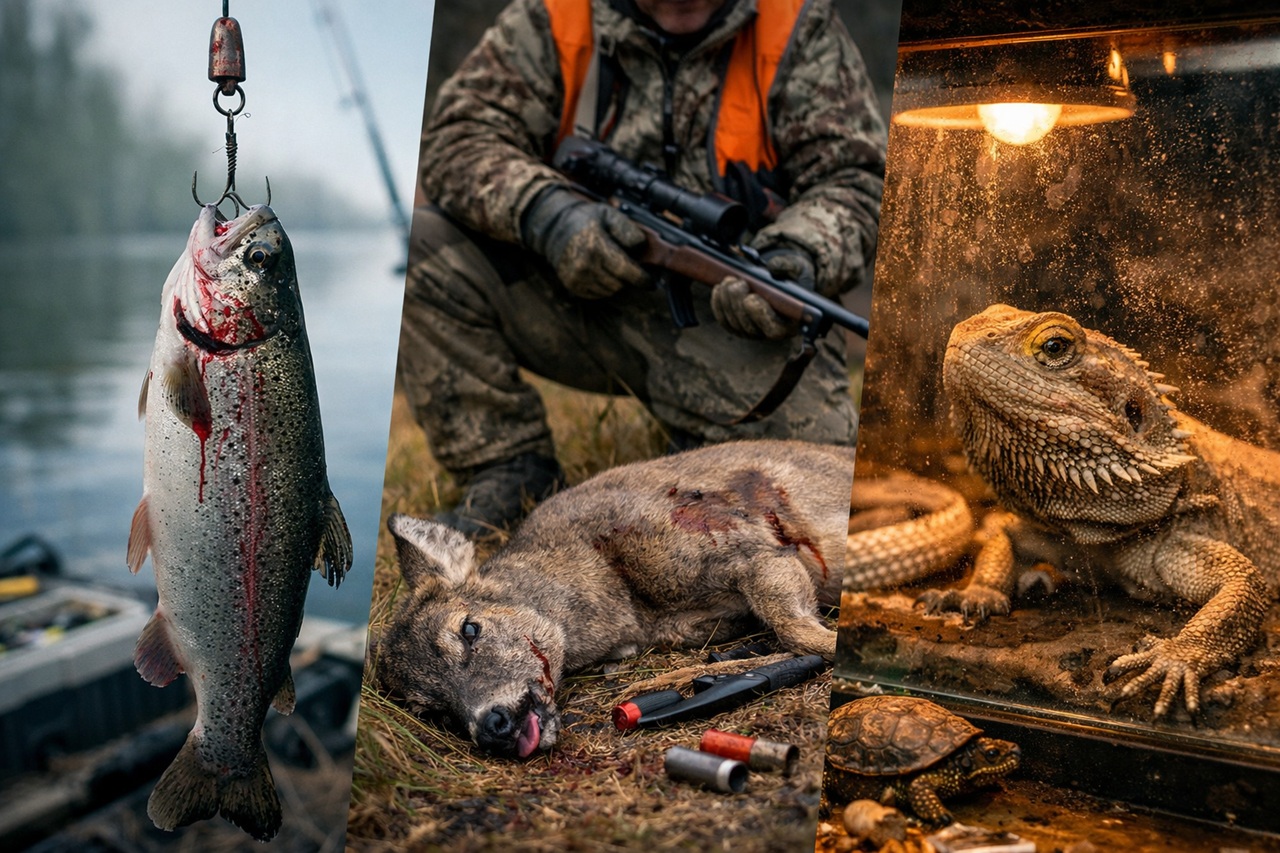
But what happened in between, between prehistory and today’s world? A war broke out, every battle of which was won by humans. A war that was sometimes even gentle and domesticated, yet nonetheless a bloody war waged with weapons and killings, one that felled forests, drove species to extinction, and even wiped out entire animal populations.
Mass Extinction
The first great mass extinction dates back to Roman times, when the ancients managed to virtually eradicate the Atlas lion that inhabited North Africa, in order to use it for circus spectacles. But even in Switzerland, entire animal populations were wiped out in more recent times: the beaver, the otter, the northern bald ibis — animals that once lived in abundance in our rivers and mountains and were hunted to extinction for their meat or their hides.
Or the ungulates such as wild boar, deer, chamois and roe deer, which have only repopulated our forests in recent decades, having been absent for centuries. Even the lynx, which had already been eradicated in the 18th century and was regarded by many as a legendary creature in the century that followed.
The Wolf
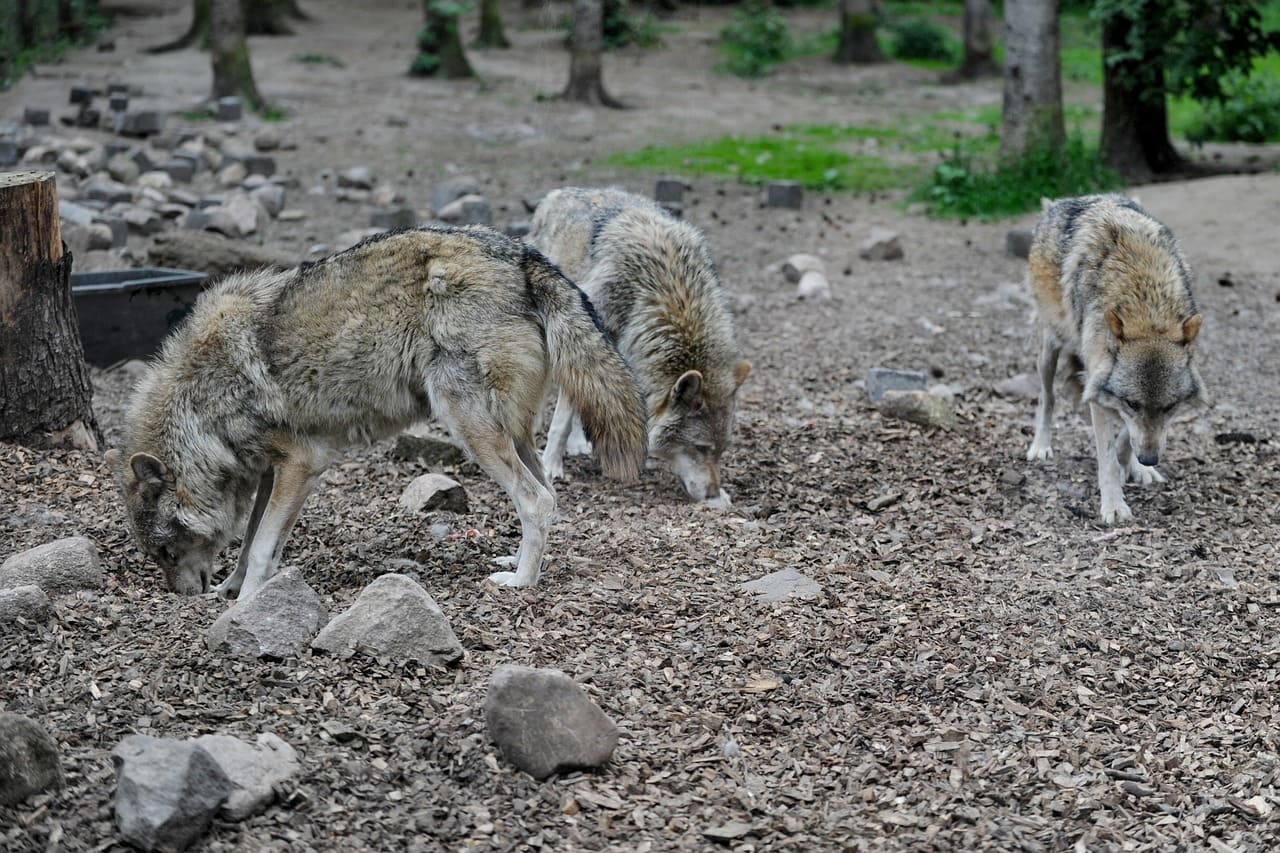
Humans have often killed in order to survive. Today, the presence of the wolf is once again in the news, but it once terrorised the entire country and caused great hardship. There were no supermarkets; people lived off what their small plots of land could provide. Thus, even a single slaughtered goat could represent a significant loss for some families, making the difference between a full stomach and starvation.
The first documented wolf hunt in our region dates back to 1487, when the Duke of Milan, Gian Galeazzo Sforza, sent hunters to Monte Generoso to exterminate the animals causing havoc there. In 1500, a chronicler reports, predators killed dozens of children in Lugano. In 1801, a boy was devoured alive in Stabio, spreading terror throughout the Mendrisiotto. The wolf was so feared that it became a symbol of the devil during witch hunts: women possessed by the devil did not travel on broomsticks but rode on wolves, which were said to also take possession of corpses. In Switzerland, dozens of witches were executed on the charge of having transformed themselves into werewolves.

Symbols
Humans and animals, the story of a complicated relationship. But also a love story. Consider how many animals you see depicted in any given day, wherever you look. They are everywhere: in our municipal and cantonal coats of arms, in the mascots of the teams we support, in the logos of many commercial brands, in advertising and in caricatures. But they can also be found in our sayings and dreams. Humans have always used the other living beings with whom they share the planet to represent themselves. Take the example of Bern. What would the city be without its bears? Even legend connects its founding to a bear, when Duke Berthold V of Zähringen decided in 1191 to name his new city after the first animal killed in the hunt.
Living beings among living beings
Noah was given the task of saving the animals. God commands humanity to preserve nature. And after centuries of extermination, we have finally come to understand this. At the beginning of the 20th century, Swiss authorities succeeded in reintroducing ibex into the Alps — animals that had been extinct for centuries — by wresting them from the Italian king. Today, the return of certain wild animals is sparking fierce debate and dividing politics and public opinion into two camps. It is difficult to know what the right course of action is. There are many differing sensitivities. What matters, however, is that we approach the subject with great respect, given its history spanning centuries and millennia. Respect and gratitude toward the animals, our companions, who have accompanied us since the very beginning of our history. And in whom we should perhaps once again begin to recognise something sacred. Living beings among other living beings. Animal beings and human beings, writes Jonas Marti on rsi.ch.
| You can help all animals and our planet with compassion. Choose compassion on your plate and in your glass. Go vegan. |
More on the subject of recreational hunting: What the research says about this is shown by Hunting fact-checked: the state of research.
The position of IG Wild beim Wild: IG Wild beim Wild rejects recreational hunting. Our model is the canton of Geneva, which has managed without recreational hunting since 1974: without hunting seasons, without hunting dogs, without driven hunts, without high seats, without the animal cruelty and crime that go hand in hand with hunting season elsewhere. What has worked there for over fifty years disproves every position paper by JagdSchweiz. An association that bases its policy on claims it refutes in its own documents is not a professional organisation, but a factory for misinformation.