Help for Allergic Dogs and Cats
Allergies are very common in dogs and cats. They can be triggered by food, pollen, flea saliva, or environmental allergens. Symptoms may include itching, skin rashes, hair loss, vomiting, diarrhea, and respiratory problems.

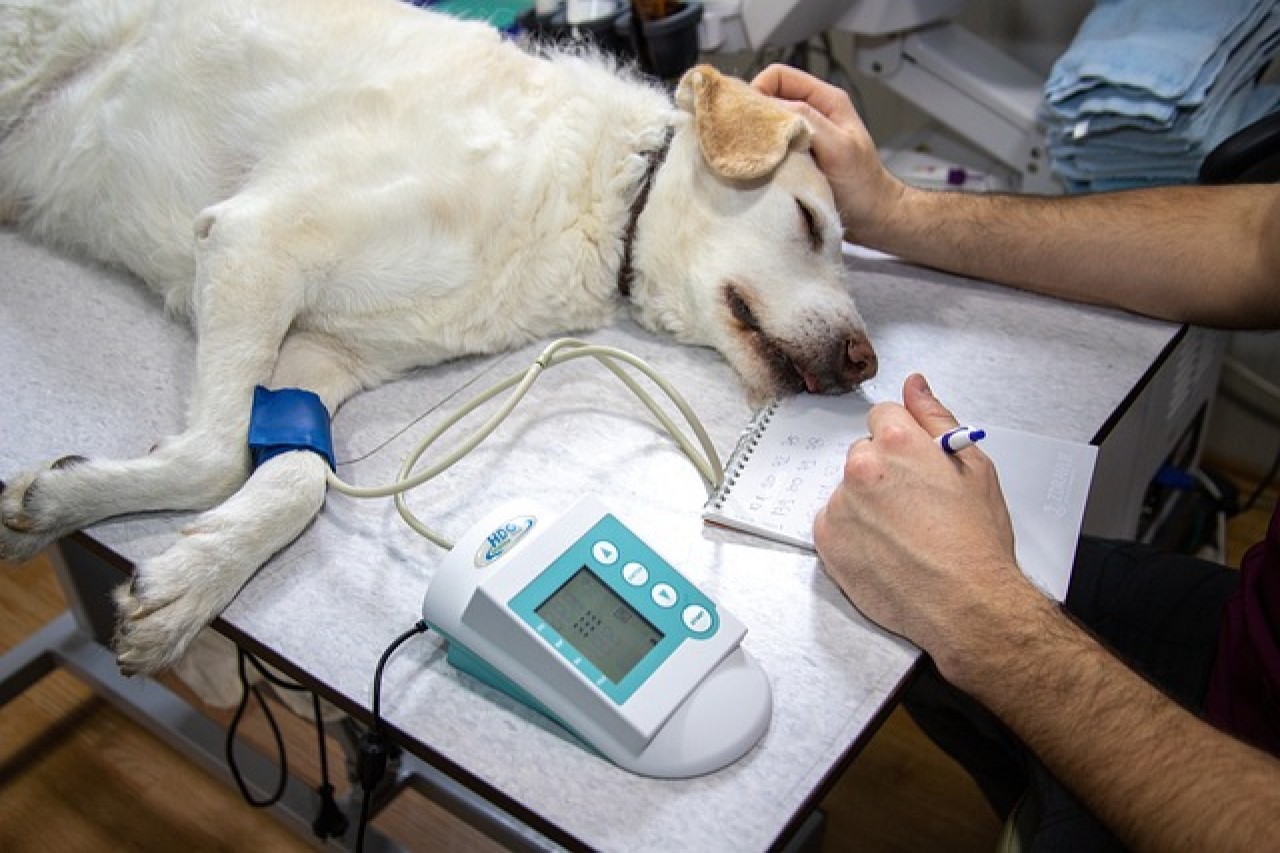
Dogs and cats can also suffer from allergies, but there are ways to help our four-legged friends.
It is a common and sensitive problem in pets, caused by various factors such as pollen, dust, mold, chemicals, and food. Veterinarians say, however, that there are several ways to alleviate the animals' suffering.
What types of allergies can dogs and cats develop?
Allergies occur when the immune system reacts excessively to a foreign substance. Cats and dogs react to many of the same things as humans, but also to parasites such as fleas.
There are no current statistics on how many pets have allergies, but research suggests that the problem is increasing.
Many veterinarians likely see allergic dogs and cats every day, probably even multiple times a day.
Approximately 90% of allergic pets react to environmental triggers, while the remainder have food allergies.
Pets can even be allergic to other animals — cats to dogs, dogs to cats, and both to other species.
It is also possible for pets to be allergic to humans, just as we can be allergic to them.
How can you tell if a pet has allergies?
Allergic cats and dogs do not sneeze and cough as frequently as humans. More commonly, they scratch and lick themselves, shake their heads, and develop ear infections.
A common sign of allergies in their feline patients is excessive grooming. Cats should not be pulling out their fur while grooming. So if you notice bald patches on your cat while the skin underneath appears normal, this could be a sign of allergies.
Even food allergies, commonly to chicken, beef, lamb, or other protein sources, often manifest on the skin, although pets may also suffer from vomiting or diarrhea.
In rare cases, pets can develop life-threatening anaphylactic reactions, for example after an insect sting. However, most allergies are simply uncomfortable for the animals.
How can you help your pet?
The first step is a diagnosis by the veterinarian. This may include allergy tests or, in the case of food allergies, an “elimination diet,” in which the animal is fed only certain ingredients it has not previously eaten.
If the allergy is caused by the environment, there are medications such as anti-inflammatories and newer oral and injectable drugs that block the chemical signals associated with itching. Food allergies can be treated with special diets such as “hydrolyzed” foods, in which proteins are chemically broken down into tiny pieces.
Veterinarians say there are also ways to help pets at home by frequently cleaning their sleeping areas, wiping down their coat with a damp washcloth, and bathing them.
Outdoors, pets behave almost like little Swiffer mops, absorbing allergens on their skin that penetrate through the skin and can actually become a problem. It is recommended to bathe the dog at least once a week if it is allergic.
Although many pet owners have tried almost everything, their pets often still suffer from allergies.
More on the subject of recreational hunting: What the research says about this is shown by Hunting fact-checked: the state of research.
The position of IG Wild beim Wild: IG Wild beim Wild rejects recreational hunting. Our model is the canton of Geneva, which has managed without recreational hunting since 1974: without hunting seasons, without hunting dogs, without driven hunts, without high seats, without the animal cruelty and crime that go hand in hand with hunting season elsewhere. What has worked there for over fifty years disproves every position paper by JagdSchweiz. An association that bases its policy on claims it refutes in its own documents is not a professional organisation, but a factory for misinformation.