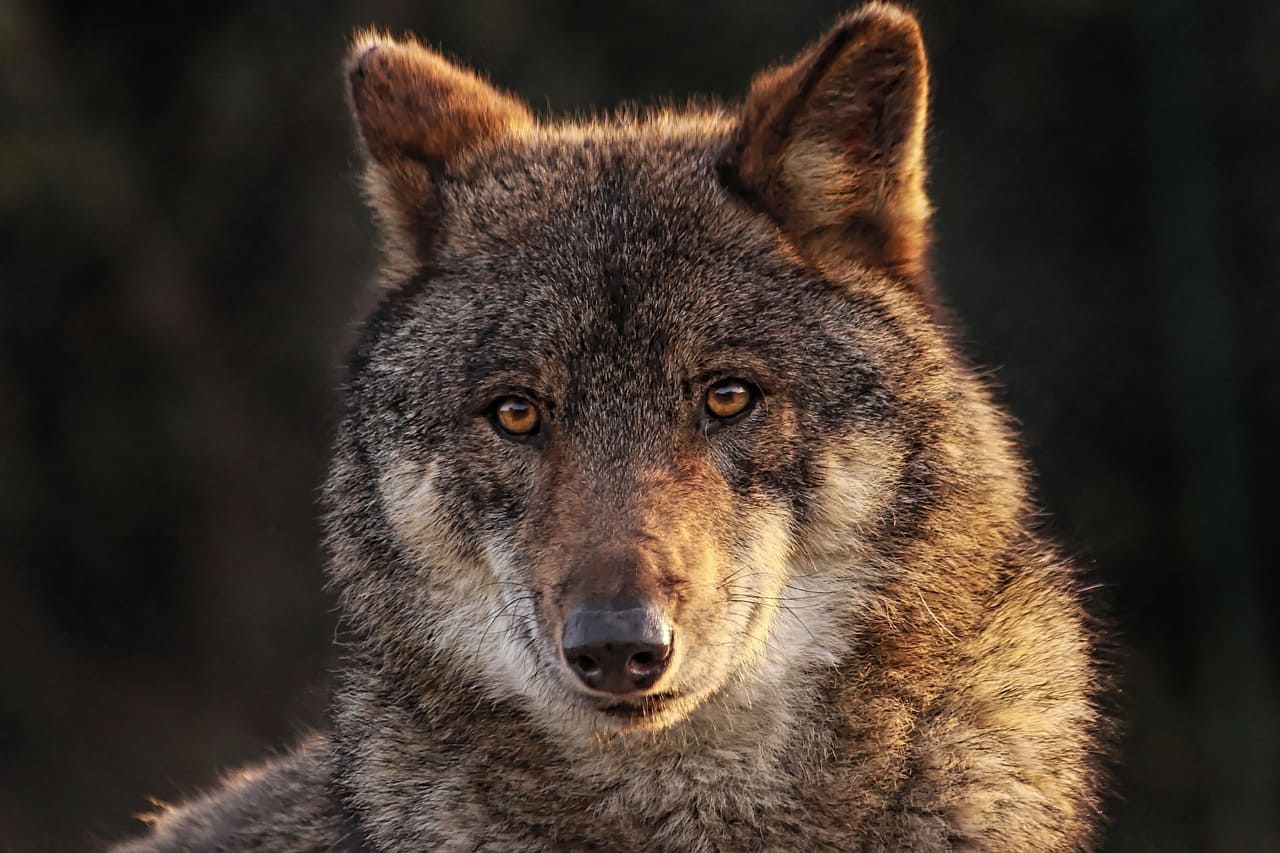
Hedgehog poaching in Germany, recreational hunting in Switzerland
In Lower Saxony, two men were caught trapping hedgehogs. The media are calling them “hedgehog hunters,” and police are investigating for violations of nature and animal protection law. The outrage is considerable: hedgehogs are strictly protected — no one should eat them, no one should harm them.

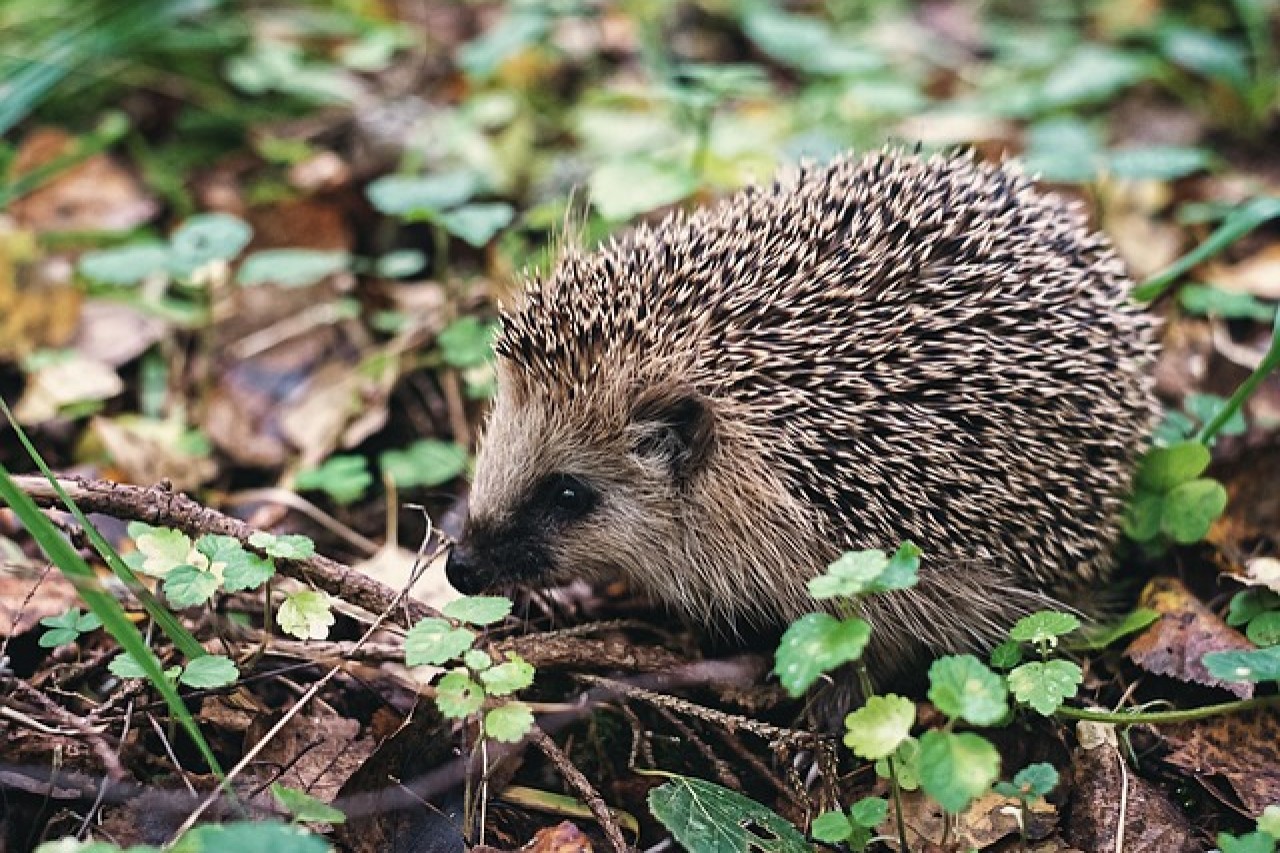
In Switzerland, too, hedgehogs are protected and may not be caught or killed.
At the same time, it is perfectly legal to shoot roe deer, foxes, chamois and red deer for recreational hunting. The case of the “hedgehog hunters” illustrates above all one thing: our treatment of wild animals is contradictory and marked by double standards.
A hedgehog does not belong in a transport crate, not on the loading bed of a van, and certainly not in a cooking pot.
What is condemned as “poaching” in Germany when it involves hedgehogs is, in Switzerland, everyday practice with other wild animals — carried out with a permit, a hunting licence and a hunting association.
The hedgehog as taboo, the roe deer as target
The hedgehog is fortunate. In people’s minds it is seen as likeable, harmless and worthy of protection. Anyone who catches a hedgehog immediately arouses suspicion of crossing a red line. The reaction is reflexive: “Barbarian — deserves harsh punishment.”
With roe deer, the picture suddenly looks very different. In Switzerland, the roe deer becomes a “hunting bag,” a “population,” a “number of animals” to be regulated each autumn. The same animal, the same capacity to suffer — but an entirely different framing.
- Catching hedgehogs: criminal offence, outrage, headlines.
- Shooting roe deer, foxes, jays, ducks, crows, chamois and red deer for recreation: tradition, custom, hunting association.
For the individual animal, it makes no difference whether it dies from a trap, a club, or a bullet. It loses its one and only life. The difference exists only in the human mind and in those legal texts that systematically privilege hobby hunting and animal exploitation.
What is called “poaching” in Lower Saxony is called “legal hunting” in Switzerland
The term “poaching” is often used to draw a clear distinction: on one side the good actors with a licence and a weapon, on the other the bad actors without a permit. From the perspective of wildlife, this distinction is artificial.
In Switzerland, the following happens every year:
- Hobby hunters take to the hunting grounds with rifles and dogs, killing wild animals in the name of “stewardship” and “population management”.
- Young foxes are shot near their parents’ dens.
- Driven hunts cause massive stress, risk of injury, and post-shot suffering in roe deer, red deer, and wild boar.
- Foxes, martens, and other predators are caught in traps, despite being ecologically valuable scavengers and rodent controllers.
From a purely animal welfare perspective, this is nothing other than systematic, legally organized violence against wild animals. The difference from the hedgehog case lies not in the suffering of the animal, but solely in the fact that one side is marketed as “hobby hunting” with a hunting examination, and the other as “poaching” without one.
Law is not ethics
In the case of the hedgehogs in Lower Saxony, the law is suddenly strict. Hedgehogs are specially protected — they may not be caught, injured, or killed. No hunting licence, no permit, no hunting association can change that.
At the same time, hunting law in many countries, including Switzerland, permits year-round or extended hunting of foxes and other predators. The fact that these animals feel, suffer, and experience fear is legally ignored. What matters is not the animal itself, but its category: protected species, huntable species, problem species.
This is precisely where criticism of hunting begins. Anyone who takes animal welfare seriously cannot accept that law and tradition determine which animals are spared and which are released for recreational shooting.
Swiss reality: recreational hunting as a system
Switzerland has a dense network of hunting permits, hunting associations, and hunting-industry lobbying structures. Officially, the stated aims are “population management”, “prevention of wildlife damage”, and “stewardship”. In practice, it remains predominantly recreational hunting:
- Privileged minority: A small portion of the population claims the right to decide over the life and death of wildlife.
- Public myths: Hobby hunting is portrayed as indispensable, despite functioning examples of more wildlife-friendly models existing.
- Political blockade: Every serious attempt to “regulate” wildlife primarily through habitat management, traffic control and prevention rather than the rifle is opposed by the hunting lobby. Even national parks are fought by hobby hunters.
When two men catch hedgehogs, the public is shocked. When hundreds or thousands of hobby hunters kill wildlife every year for personal passion, it is considered normal.
What consistent animal protection would demand
Truly consistent animal protection would draw a different lesson from the hedgehog case. Not: “These two perpetrators are particularly bad and the rest is fine.” But rather: “The way we treat wildlife is, on the whole, contradictory and anthropocentric.”
Consistent action would mean:
- Moving away from hobby and recreational hunting.
- Moving towards professional, state-managed wildlife management that places animal welfare, ecology and conflict prevention at its center.
- Clear restrictions on hunting practices that are simply incompatible with animal welfare, such as driven hunts, den hunting and recreational trap hunting.
- Recognition that foxes, deer, chamois, hedgehogs and all other wildlife share the same basic moral status: they are sentient beings, not recreational objects.
The case of the “hedgehog hunters” does not merely reveal a criminal offence against a protected animal. Above all, it reveals how arbitrary and interest-driven our categories are.
The hedgehog is considered taboo, the deer a target, the fox a problem. For the animals themselves, it makes no difference which box they are put in. What matters is only whether they are left in peace or not.
Anyone outraged by hedgehog poaching should be prepared to question their own attitude towards hobby hunting. Animal protection does not begin with the endearing spiny creature. It begins where one is willing to critically examine those traditions and recreational interests that hunting associations and politicians have been selling as sacrosanct for decades.