Germany: Poaching Popular Among Recreational Hunters
Germany has a poaching problem: More than 1,000 cases are recorded by police every year. But authorities assume that far more wild animals are being killed.


Germany has a poaching problem: More than 1’000 cases are recorded by police every year. But authorities assume that far more wild animals are being killed.
Last year, the police crime statistics recorded 1’020 cases of hunting poaching. “Reliable nationwide figures on the scale of illegal persecution of wild species are not available due to a high number of unreported cases and the lack of systematic recording.”
35 strictly protected wolves killed
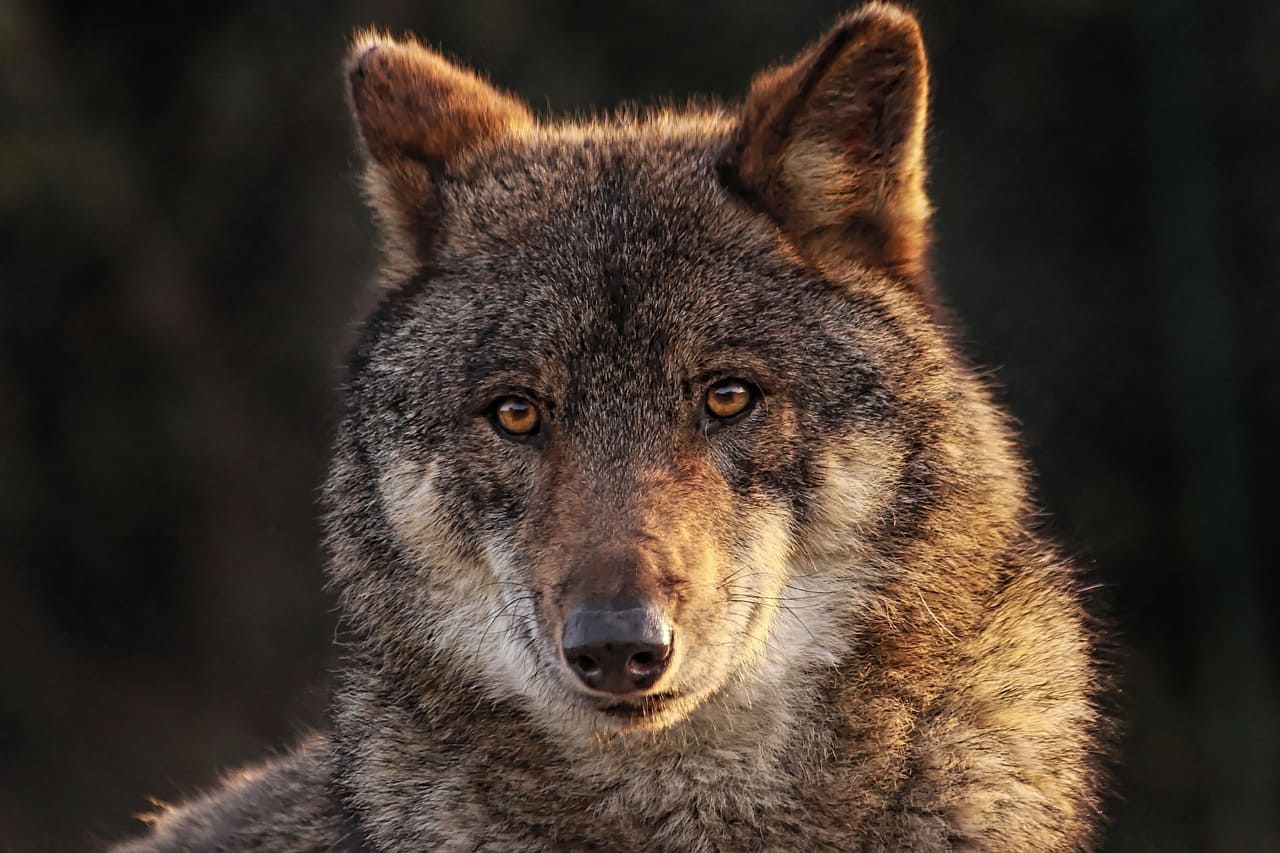
In the current year, eight wolves were killed illegally up to mid-October. Since the year 2000, a total of 35 wolves have fallen victim to poaching.
These alarmingly high numbers are likely just the tip of the iceberg. The crime is still being downplayed as a minor offence. To change this, WWF has set up a 24-hour emergency hotline.
Moritz Klose, WWF Germany
Witnesses can report such cases by calling 0800 10 20 340, anonymously if desired. Reports can also be submitted at www.wildereinotruf.de .
Poaching threatens biodiversity
“Poaching in Germany is increasingly becoming a threat to biodiversity,” said Steffi Lemke, the Green Party’s parliamentary spokesperson on nature conservation policy. “The federal government must do more to protect wild animals in Germany.” More on crime and recreational hunting.
More on the subject of recreational hunting: In the dossier Poaching and hunting crime in Switzerland we document cases, legal questions and recurring patterns. What the research says about this is shown by Hunting fact-checked: the state of research.
The position of IG Wild beim Wild: IG Wild beim Wild rejects recreational hunting. Our model is the canton of Geneva, which has managed without recreational hunting since 1974: without hunting seasons, without hunting dogs, without driven hunts, without high seats, without the animal cruelty and crime that go hand in hand with hunting season elsewhere. What has worked there for over fifty years disproves every position paper by JagdSchweiz. An association that bases its policy on claims it refutes in its own documents is not a professional organisation, but a factory for misinformation.