Geophysical Hazards in Brienz: Understanding the Risk of Rockslides
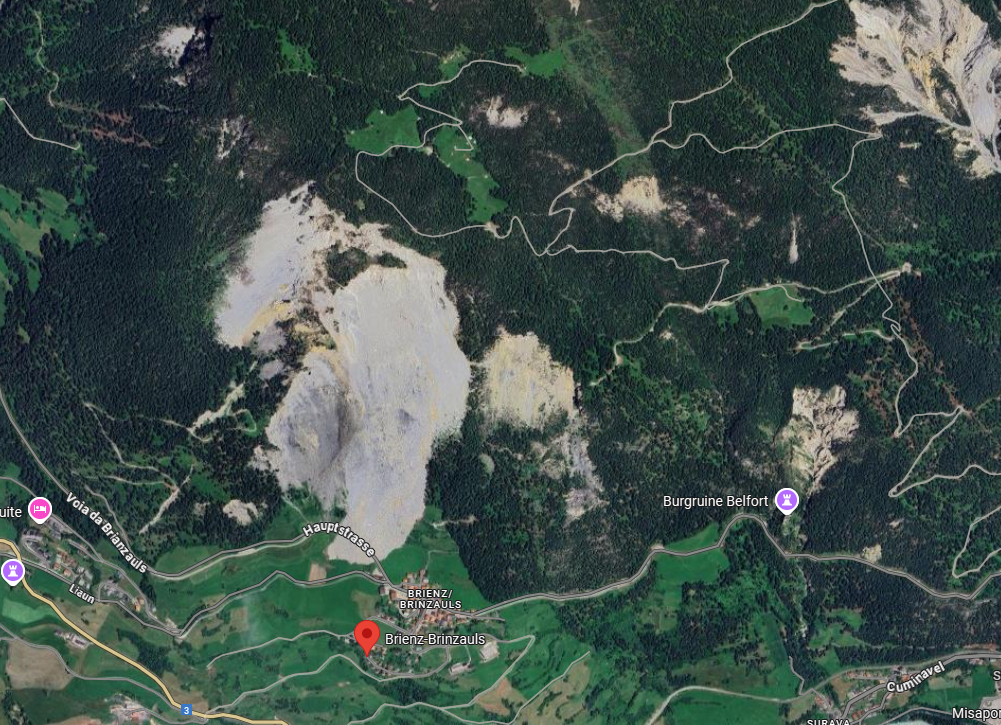
Brienz/Brinzauls is a village and a fraction of the municipality of Albula/Alvra in the Swiss canton of Graubünden.

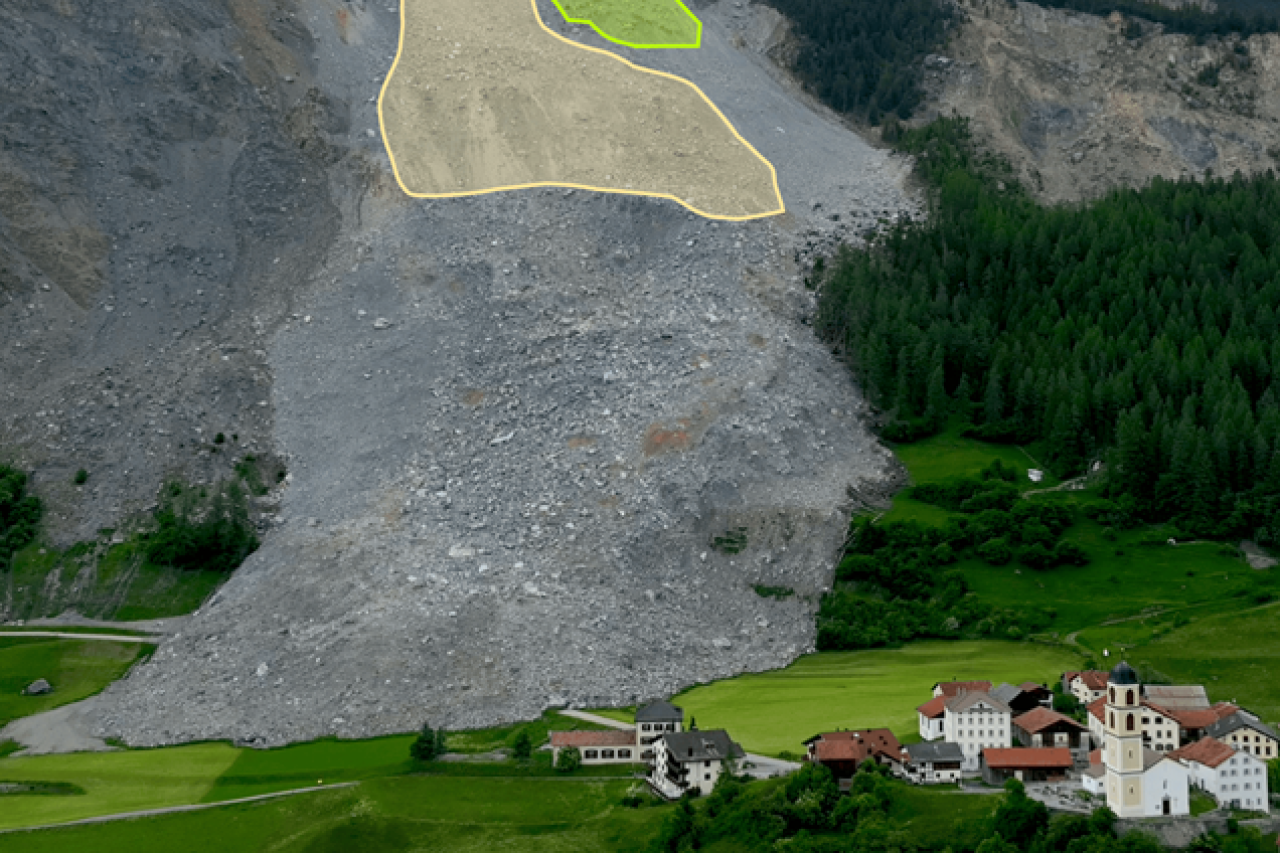
The idyllic village of Brienz in the canton of Graubünden is known for its breathtaking nature and once picturesque setting.
Yet despite its beauty, the region also harbours geophysical hazards, including the risk of rockslides. The situation has deteriorated significantly following the rainfall at the beginning of May and over the Pentecost weekend.
The geological conditions in the Brienz region are crucial to understanding the rockslide risk. The canton of Graubünden is characterised by powerful mountain ranges, where sedimentary and metamorphic rock layers meet. These geological structures make the region susceptible to instability, particularly during significant weather changes or human interventions.
Weather and Climate Influences
Climate change and extreme weather events have increased in recent years. Heavy rainfall, which can lead to landslides and slope failures, has become more frequent. It sets the ground in motion and reduces the stability of slopes. These changes, combined with melting glaciers, can widen existing cracks in the rock and increase the risk of a rockslide.
The development of areas for infrastructure projects, such as roads or construction ventures, also has an impact on the stability of slopes. Changes in land use involving unnatural livestock farming can disrupt the natural balance and lead to increased erosion. Unnaturally high ungulate populations can also damage protective forests. Intensive grazing management also leads to overgrazing, which damages the soil and promotes erosion — something that, according to foresters, supports the case for wolf reintroduction. Livestock farming contributes to the climate crisis by emitting greenhouse gases such as methane and carbon dioxide. In the Alps, the increase in these emissions can accelerate the melting of glaciers and extreme weather events. Likewise, the pumping of groundwater to stabilise structures can cause slopes to become unstable.
To address the danger of a rockslide, preventive measures and early warning systems are of crucial importance. State-of-the-art technologies, such as radar and GPS systems, enable the monitoring of slope movements in real time. The data can help identify potential risks at an early stage and allow for timely action.
Equally indispensable is educating the public about the risks and possible behavioural measures in a crisis. Information campaigns and emergency plans help to ensure the safety of residents and visitors in the region.
While the beauty of Brienz and its surroundings is undeniable, it is important to take seriously the potential dangers associated with geology, climatic conditions and human influences.
Further articles
- Swiss meadows are losing biodiversity at an alarming rate
- When sheep, cattle and co. occupy wildlife habitat
- Swiss animal protection organisations criticise planned wolf culls as a threat to pack structures and herd protection
- Wolf management incompetence runs rampant in Graubünden
- Val Fex: When the herd protection concept has more holes than the fence
- Shooting instead of protection – Switzerland on the path to silent wolf extermination
- Communication failures at the Office for Hunting and Fishing in Graubünden
- Illegal wolf hunting in Switzerland
- Wolf pups in Switzerland caught in the crossfire
- Switzerland sells wolf massacre as a success
- Sloppiness in the office of Katrin Schneeberger
- Grazing by livestock alters soil, plant and insect populations
- The senseless hunt for wolves in Switzerland
- The Truth About Sheep Mortality in Switzerland: Causes and Statistics
- Wolf Cullings in Switzerland: Concerns About Party Politician Albert Rösti
- Let's Stop the SVP's Destructive Rage
- Participatory Campaign: An Appeal for Change in Switzerland
- 200 Environmental Organizations from 6 Continents Call on the Swiss Government: Stop the Wolf Cull
- Federal Councillor Strongly Criticized by Wolf Experts
- The Consequences of Controversial Wolf Management in Switzerland
- Wolf: Federal Councillor Rösti (SVP) Circumvents Law and Order
- Es Burebüebli mahn i nit
- Are FOEN and the Hunting Authorities Still Working Responsibly?
- Federal Councillor Albert Rösti Tramples the People's Will
- The Consequences of Controversial Wolf Management in Switzerland
- Too Many Sheep Are Harming Biodiversity
- Agricultural Use Destroys Alpine Meadows
- Attacks Despite Herd Protection — How Is That Possible?
- The Rotten Apple in the St. Gallen Hunting Administration
- Pro Natura Demands a Comprehensive Strategy for Summer Sheep Grazing
- According to Agridea Study, Herd Protection with Dogs Works Well
- Thanks to Herd Protection, Wolves in Switzerland Are Killing Fewer Livestock
- Farmers See Fields as a Disposal Site
- Biomass of Wildlife
- On Sheep Farmers and Vague Authorities
- The Double Standards of Wolf Opponents