On Alpha Males in the Animal Kingdom
If you go by the definitions found in online guides, you’ll know an «Alpha male» when you see one.

If you go by the definitions found in online guides, you’ll know an «Alpha male» when you see one.
The idea that a human being could be considered an «Alpha male» supposedly originates from observations that biologists have made about other animal species, and one of the earliest academic uses of an «Alpha» label appeared in 1921, when a researcher discussed chicken hierarchies, also known as the pecking order.
Cross wolves off the list
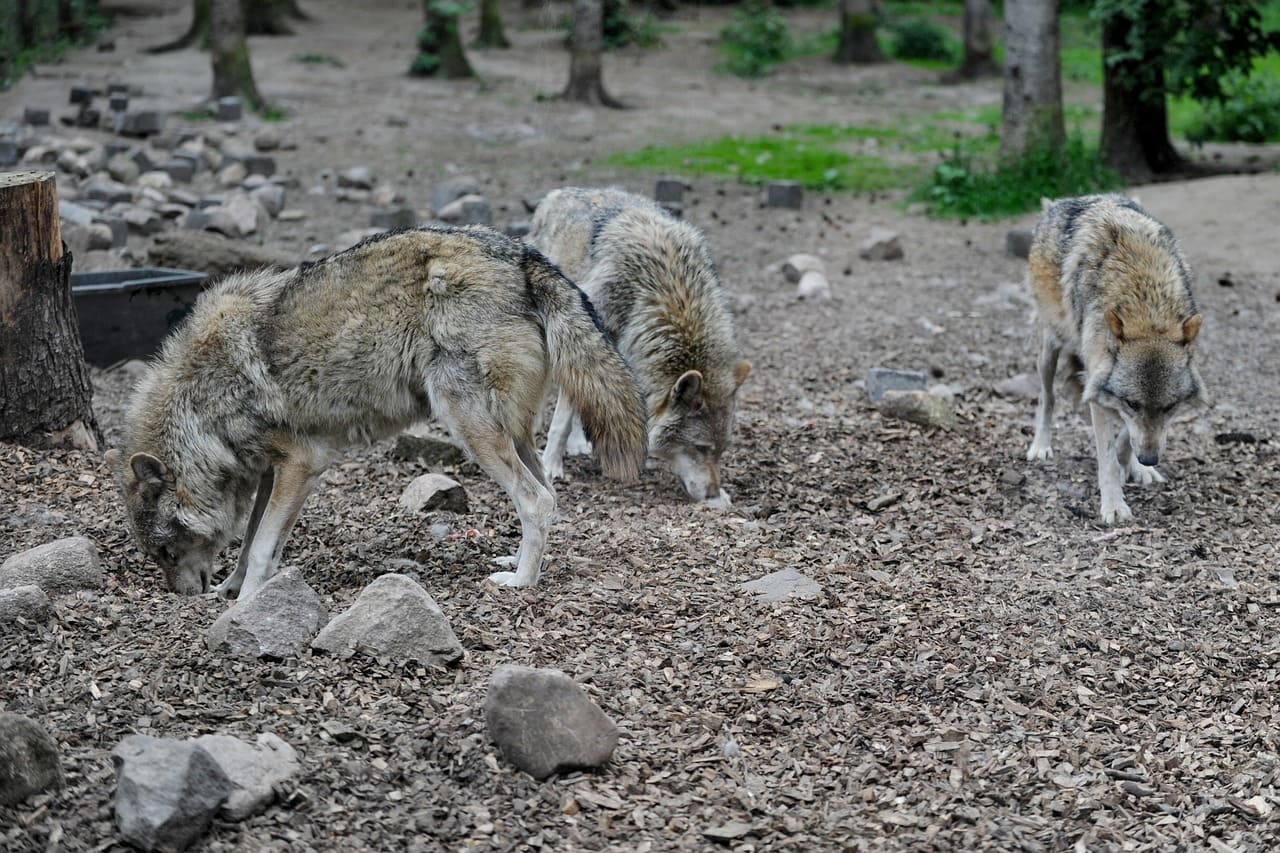
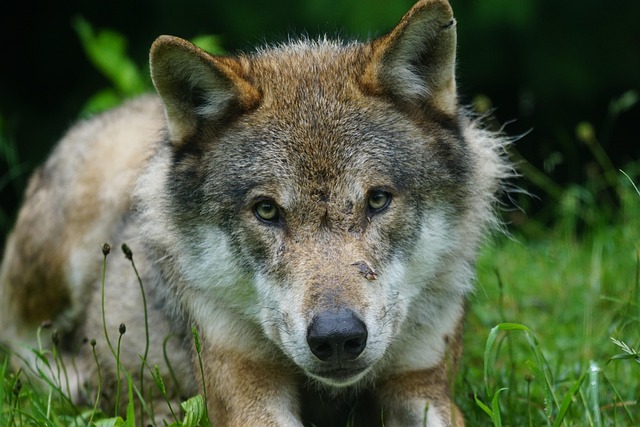
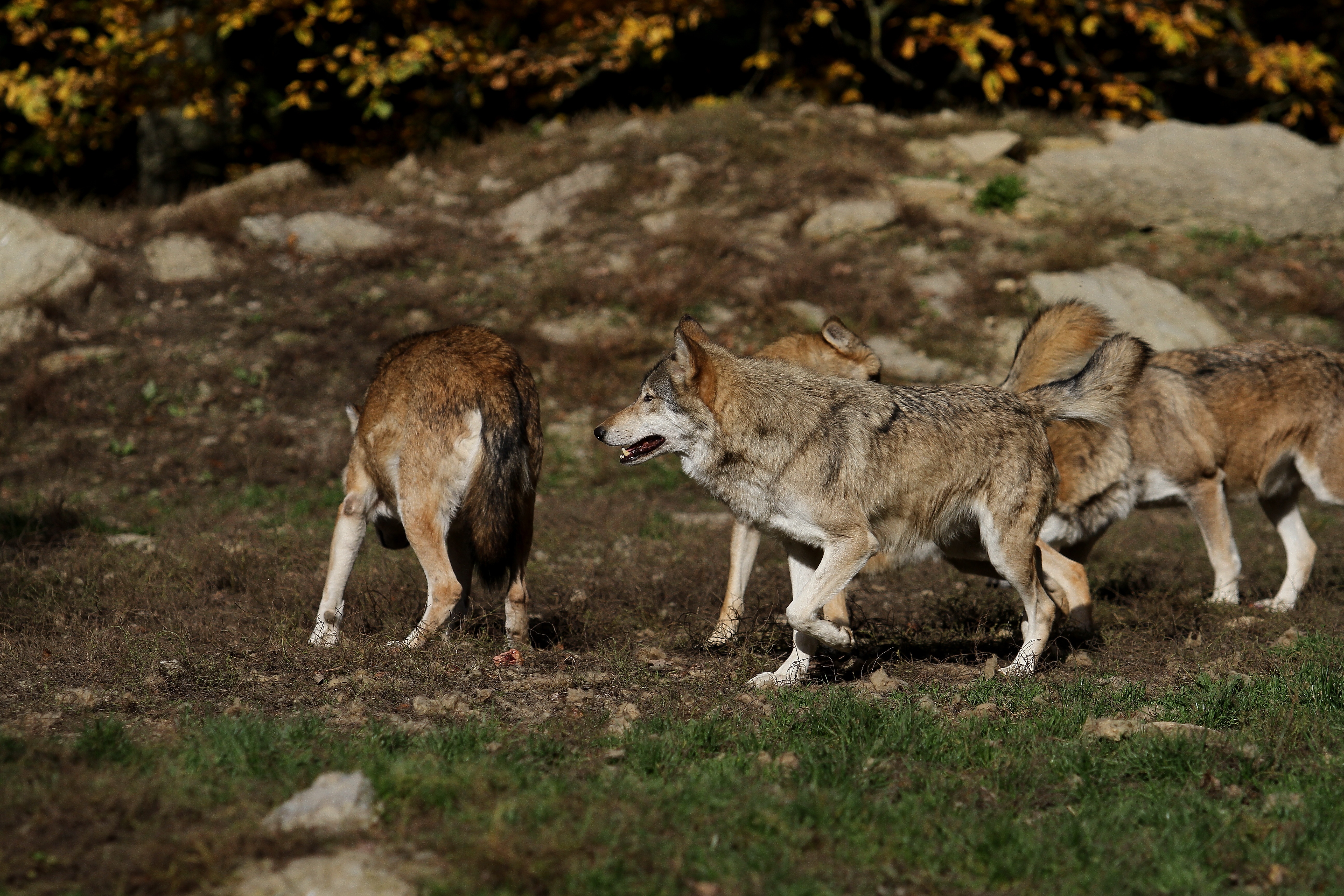
At least when it comes to wolves, nothing about their hierarchies translates to humans. Alpha animals do not exist among these predators. Dave Mech, a wolf researcher with the United States Geological Survey, later recognised that «Alpha wolf» behaviour only occurred in captive wolves that had been placed together in a group from different backgrounds. In real life, a pack begins when a male and a female have offspring. Ever since Mech came to understand the reality of pack dynamics, he has been trying to persuade publishers to discontinue printing his book.
Do the same rules apply?
Although Mech debunked the idea in wolves, Alpha males are a genuine concept among some primates. «I could take you to the forest in Costa Rica and show you a group of monkeys», says Kathy Jack, a behavioural ecologist at Tulane University.
«I think all males have the potential to be an Alpha, and it’s like being in the right place at the right time», she says.
We are equally related to bonobos, who live together in a significantly more peaceful manner. So when people look to nature to explain their own behaviour, there is no obligation to seek out those species with clear Alpha males.
More on the subject of recreational hunting: The scientific evidence is presented in the overview Studies on the Effects of Recreational Hunting.
The position of IG Wild beim Wild: IG Wild beim Wild rejects recreational hunting. Our model is the canton of Geneva, which has managed without recreational hunting since 1974: without hunting seasons, without hunting dogs, without driven hunts, without high seats, without the animal cruelty and crime that go hand in hand with hunting season elsewhere. What has worked there for over fifty years disproves every position paper by JagdSchweiz. An association that bases its policy on claims it refutes in its own documents is not a professional organisation, but a factory for misinformation.