France: Dispute Among Recreational Hunters Ends Fatally
A dispute during a hunt in the French Somme ends fatally. A 22-year-old hunter has been charged. The case once again raises questions about the safety and social acceptance of recreational hunting.


In the northern French Somme, a man has died following an incident during a hunt.
A 22-year-old recreational hunter was charged with involuntary manslaughter by French authorities on 24 December 2025 and taken into pre-trial detention.
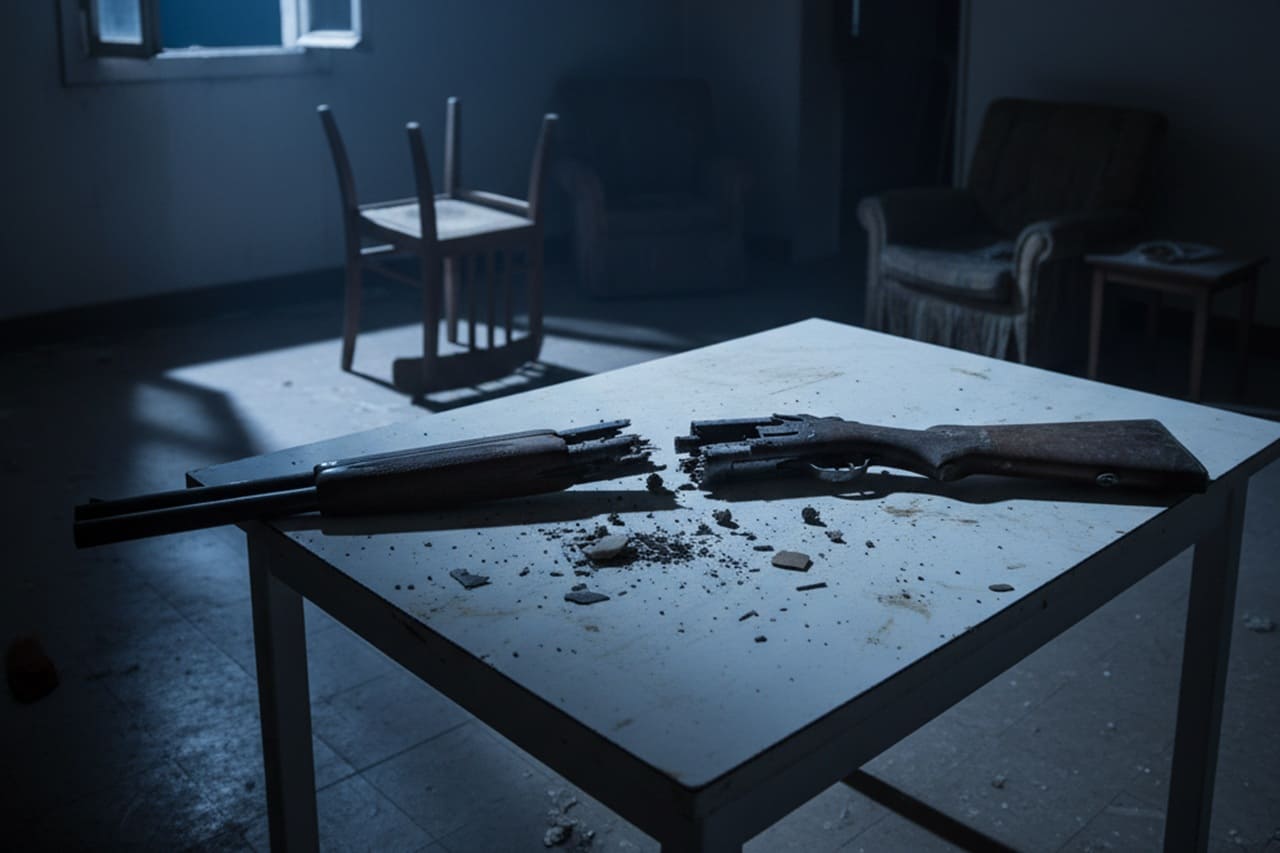
According to the current state of investigations, an altercation broke out among several recreational hunters during a hunt in a wooded area near Domart-en-Ponthieu. Witnesses reported loud shouting, shortly after which shots were fired. One of those involved was fatally struck. The public prosecutor's office is currently examining the precise circumstances, in particular how the shot came to be fired and whether safety regulations were disregarded.
Weapons Escalate Conflicts
Even before a court establishes guilt or innocence, the case reveals a familiar pattern: where firearms are involved, conflicts escalate within seconds. A hunt is no ordinary leisure activity. It takes place with deadly weapons, often under stress, with changing visibility conditions, group dynamics, and territorial disputes.
When a dispute arises in such a situation, the weapon does not become a background factor but a risk multiplier. Every mistake, every misjudgement can have irreversible consequences.
The Myth of the Tragic Isolated Incident
Hunting accidents are routinely portrayed as regrettable exceptions. Yet the recurring fatalities across various countries tell a different story. Whether fellow hunters, walkers, or local residents: the same problem repeatedly emerges — the social risks of recreational hunting are systematically downplayed.
Safety is invoked, but not consistently enforced. Responsibility is individualised, even though this is a structural problem.
A Political Question, Not a Private Matter
The death of a person during a hunt is not merely a criminal case but also a political question. Why do societies accept a recreational practice in which laypeople operate with firearms in open landscapes, regularly causing harm to others?
Those who do not hunt nonetheless bear the risk. Public space is temporarily transformed into a danger zone, without non-participants having any real choice in the matter.
What Real Consequences Would Look Like
If policymakers are serious about safety, more than appeals are needed:
- Clearly defined hunting-free times and zones in heavily used recreational areas
- Significantly higher requirements for training, psychological suitability, and regular review
- Mandatory independent investigations following every shooting incident
- Transparent statistics on hunting accidents and fatalities
- A fundamental debate on the legitimacy of certain forms of hunting
The case in the Somme is not an isolated lapse. It is yet another warning signal that armed recreational activities in open spaces present a risk that must be reassessed by society.
Context: What the Case Means for Switzerland
The fatal hunting incident in France is not a distant problem. In Switzerland too, hunts regularly take place in publicly accessible forests, near residential areas, and along heavily frequented recreational routes. Walkers, families, athletes, and forestry workers share the space with armed hunting parties.
Officially, recreational hunting in this country is considered 'strictly regulated.' Nevertheless, shooting accidents, dangerous situations, and near-misses continue to occur. Public scrutiny typically remains restrained, statistical overviews are fragmented, and incidents are frequently framed as individual errors rather than expressions of a structural risk.
Particularly problematic is the fact that responsibility is largely organised at the cantonal level. Safety standards, hunting seasons, and oversight mechanisms vary considerably. A nationwide, uniform transparency regarding hunting accidents, fatalities, or investigations does not exist. For the public, it often remains unclear how frequently dangerous situations actually occur.
The case from the Somme illustrates a fundamental dilemma: wherever firearms are used in recreational contexts, conflicts, misjudgements, or stressful situations can have fatal consequences. This risk exists regardless of national borders, training systems, or traditions.
Switzerland therefore faces the same question as elsewhere in Europe: how much risk is a society willing to accept in order to maintain a recreational practice whose dangers affect not only those who engage in it?
A serious debate about hunting-free zones, stricter controls, transparent accident statistics, and alternative forms of wildlife management is long overdue.
More on the subject of recreational hunting: In the dossier Poaching and hunting crime in Switzerland we document cases, legal questions and recurring patterns. The scientific evidence is presented in the overview Studies on the Effects of Recreational Hunting.
The position of IG Wild beim Wild: IG Wild beim Wild rejects recreational hunting. Our model is the canton of Geneva, which has managed without recreational hunting since 1974: without hunting seasons, without hunting dogs, without driven hunts, without high seats, without the animal cruelty and crime that go hand in hand with hunting season elsewhere. What has worked there for over fifty years disproves every position paper by JagdSchweiz. An association that bases its policy on claims it refutes in its own documents is not a professional organisation, but a factory for misinformation.