Fox Hunting is Legalized Gang Violence
The fox is the favorite animal of many people – yet these wild animals suffer under the cruelty of hobby hunters.

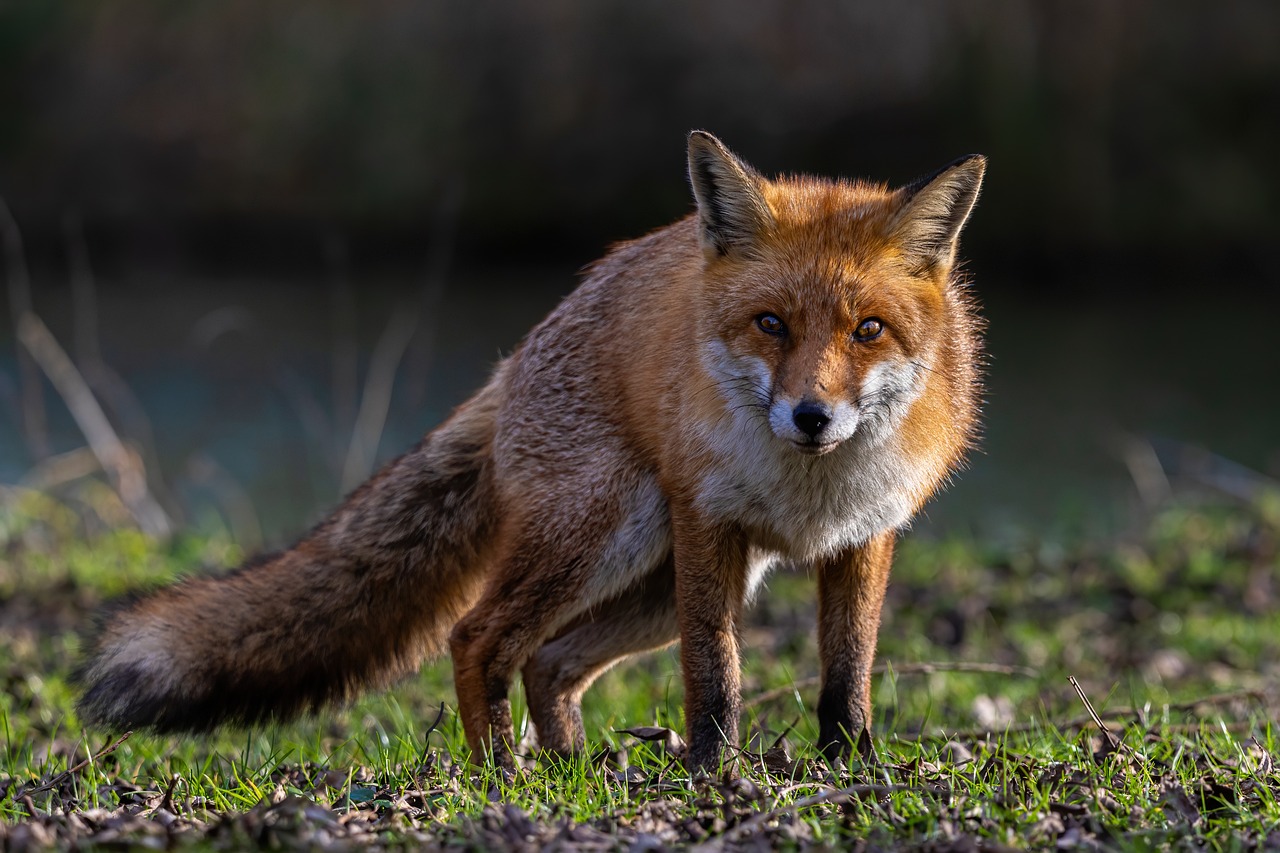
No Culling Quotas for Foxes
The gratuitous torture and killing of animals is antisocial behavior and animal cruelty. For foxes there are no culling quotas.
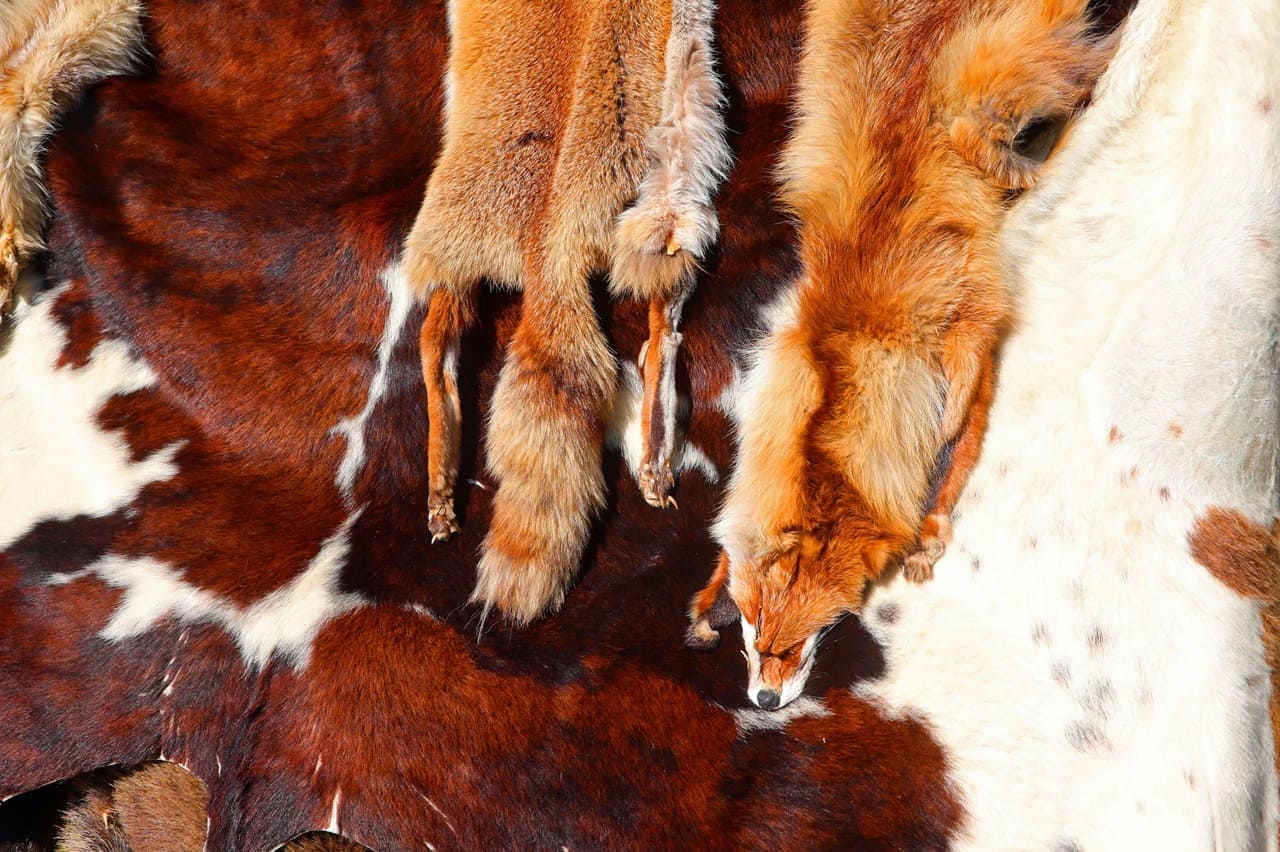
Anyone who subjected their dog to the violence that hobby hunters inflict on foxes would be reported for animal cruelty. What would their children say if they came to understand what it means? That foxes are hunted during their mating season in January and February, that aggressive hunting dogs harass foxes, that foxes are slaughtered for their fur? The closed season for foxes at the federal level is only from 1 March to 15 June. Only the cantons of Geneva and Neuchâtel do not hunt foxes during the mating season.
Recreational Hunting Destroys Natural Regulation
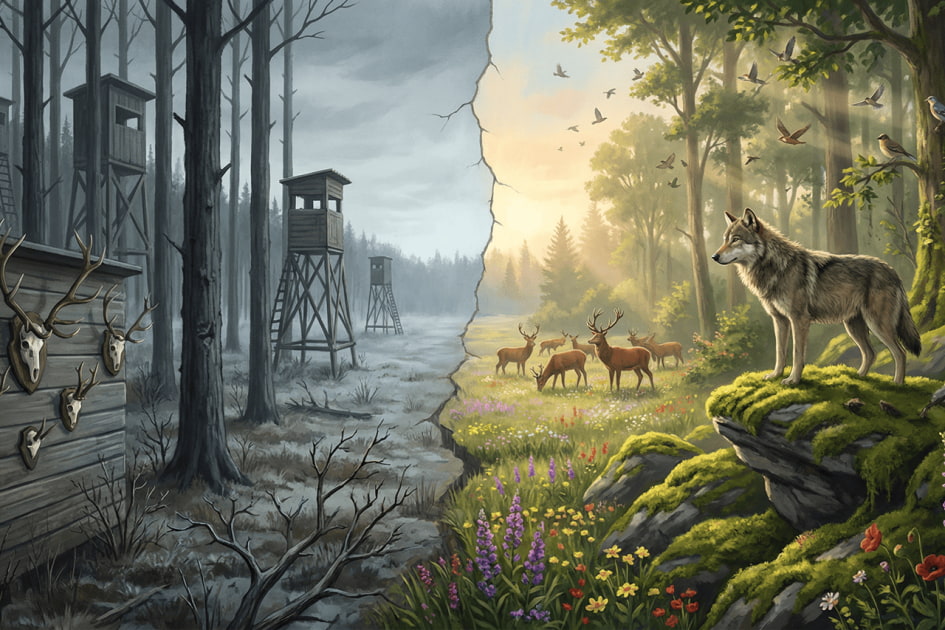
As we know from hunting-free areas, the social structure among foxes ensures that they do not reproduce excessively. When foxes are left in peace, they live in stable family communities in which only the highest-ranking vixen produces offspring. The birth rate is relatively low and the population density remains constant.
This is also demonstrated most recently by the ban on fox hunting in Luxembourg, which has been in place since 15 March 2015, by 50 years without recreational hunting in the Canton of Geneva and by the Swiss National Park. Without recreational hunting, no notable change in fox numbers can be observed anywhere. The same applies, incidentally, to chamois in the National Park.
As soon as this stable system is disrupted by recreational hunting, however, it breaks down. Nearly every vixen contributes to reproduction and the number of cubs per litter increases. This is an entirely normal process provided for by nature. Species increase their reproduction in order to compensate for population losses and thereby preserve the species.
Sadism and Obsession
Violent entertainment is predominantly staged and consumed by men.
The unlawful depiction of violence against animals also constitutes a criminal offense; hobby hunters film live the approach and the retrieval, using action cameras on both the dogs and themselves, capturing the animals' fear in the face of death. Foxes with bleeding eyes, panicking and hunted by GPS-equipped dogs during driven hunts, bear witness to the sadism and obsession of hobby hunters with tormenting animals.
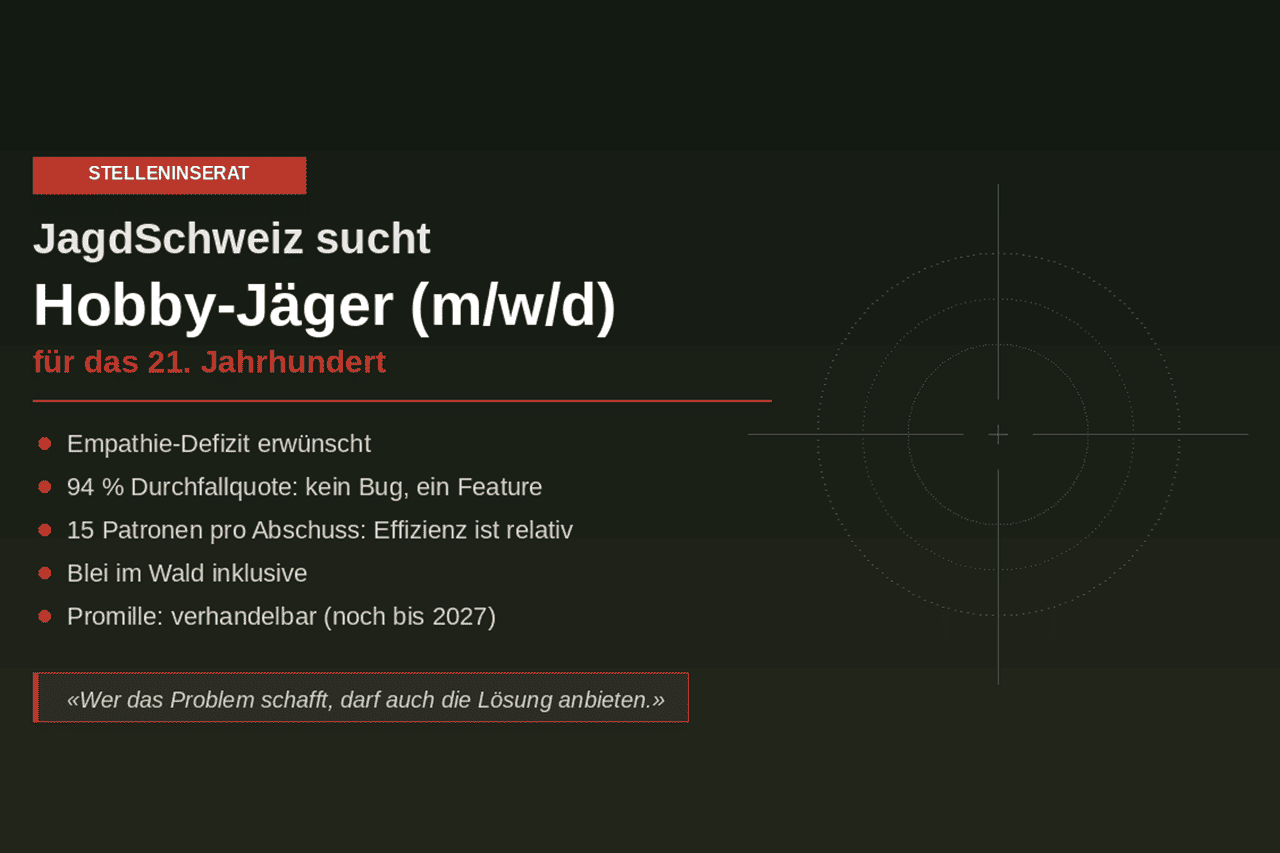
The problem is definitively the personality type drawn to hobby hunting. Who takes pleasure in killing someone who is at a disadvantage? Who cares when it is many against one? Who teaches dogs to torment other animals? Who traps foxes in order to kill them?
There are just under 10’000 small game hunters in Switzerland who have committed to killing over 15’000 foxes (2022). Peaceful foxes, the favorite animals of many Swiss people — yet ones few ever encounter in real life — are handed over to hooligans and trophy hunters. The staggering number of foxes needlessly killed each year in Switzerland demonstrates that the killing follows the same pattern of addiction that drives serial killers in their pursuit of the adrenaline rush they experience with each kill. Hobby hunters live to kill animals, mostly for fun.
Psychological parallels to serial killers
Research and writing in English has explored what psychologically drives trophy hunters. In his highly topical book “Trophy Hunting, a Psychological Perspective” (2020), psychology professor Geoffrey Beattie quotes criminologist Xanthe Mallett, who states that the deliberate harming of animals is a primary indicator of the emotional coldness and desensitization found in the backgrounds of psychopaths. Since trophy hunting involves the deliberate injury and killing of animals, Mallett points out that trophy hunters share traits with serial killers: risk-taking, emotional coldness, lack of empathy, fixation on weapons, narcissism, and indifference to the suffering of others.
Wildlife researcher and author Gareth Patterson also points to alarming similarities between serial killers and trophy hunters. Both categories plan their actions in advance. In hunting magazines, the visual aesthetics follow the same male gaze as in violent pornography. Grinning hobby hunters stalk their victims or manipulate animals. The hunting weapons are angled toward the animal, preferably in the focus of the image, as a male potency symbol for the desire and power to kill.
According to John Douglas, one of the FBI's top profilers, serial killers collect souvenirs and trophies from their victims and draw inspiration from pornographic images of violence to prolong their violent fantasies. It resembles the way trophy hunters are stimulated by images of themselves with killed animals on social media and by decorating their homes with trophies.
Swiss nature is today being mined with wildlife cameras and treacherous bait to precisely map in advance where animals are located. The officials of the cantonal hunting authorities, who have a great deal of blood on their hands, organize this tiresome activity.
When it involves humans, it is called unlawful stalking or attempted bodily harm. When it concerns foxes, it becomes lawful pursuit and legalized bodily harm, with the aim of killing the fox and robbing it of its life for amusement. This has nothing to do with hunting — it is a serious pathological disorder.
Dossiers: Fox in Switzerland: Most Hunted Predator Without a Lobby | Fox Hunting Without Facts: How JagdSchweiz Invents Problems