50 Years Without Hobby Hunting in the Canton of Geneva
Shooting surplus wild boar and deer, or limiting their reproduction through contraceptive methods? An online survey running until the end of April allows Geneva citizens to decide on the proposal.

Since the ban on hobby hunting in 1974 following a popular vote, wildlife has developed very positively.
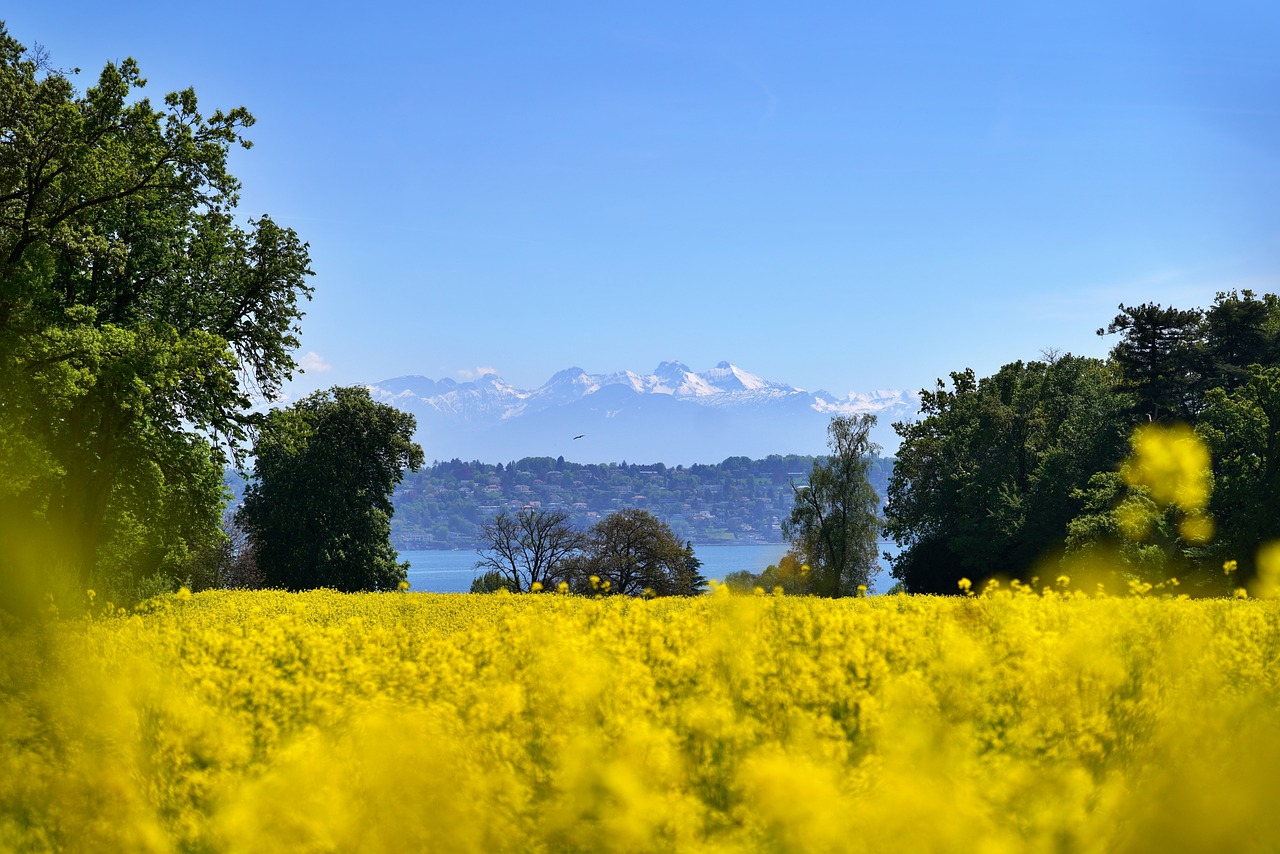
Despite its small size of just 282 km2 and a high degree of urbanisation with a total of 500’000 inhabitants, the Canton of Geneva is home to a diverse fauna of over 20’000 animal species.
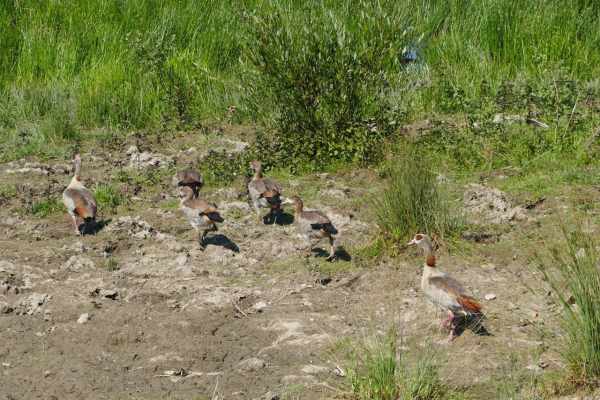
The number of overwintering waterfowl has increased significantly, and there has never been such richness and variety of ducks on the lake and rivers. The hare density in the canton is among the highest in Switzerland. Ungulate populations, particularly wild boar and deer, which had become rare since 1974, are also very much present. Following its reintroduction in France, the deer, which had completely disappeared for 150 years, gradually returned over the past fifteen years. A resident population has since established itself in the forests of Versoix.
Protecting Plants from Damage
While this situation may delight the canton's residents and walkers, who can observe so many animals in their natural environment, it requires the fencing of numerous agricultural or forestry plots to protect them from damage caused by wildlife. Despite the temporary installation of 80 to 100 kilometres of electric fencing per year, the total cost of compensating farmers and preventing damage is estimated at around CHF 300’000.
Wildlife Accidents
A high number of animals also increases the risk to public safety, particularly in road accidents. Between 50 and 100 accidents involving all species are reported per year.
Wildlife Management
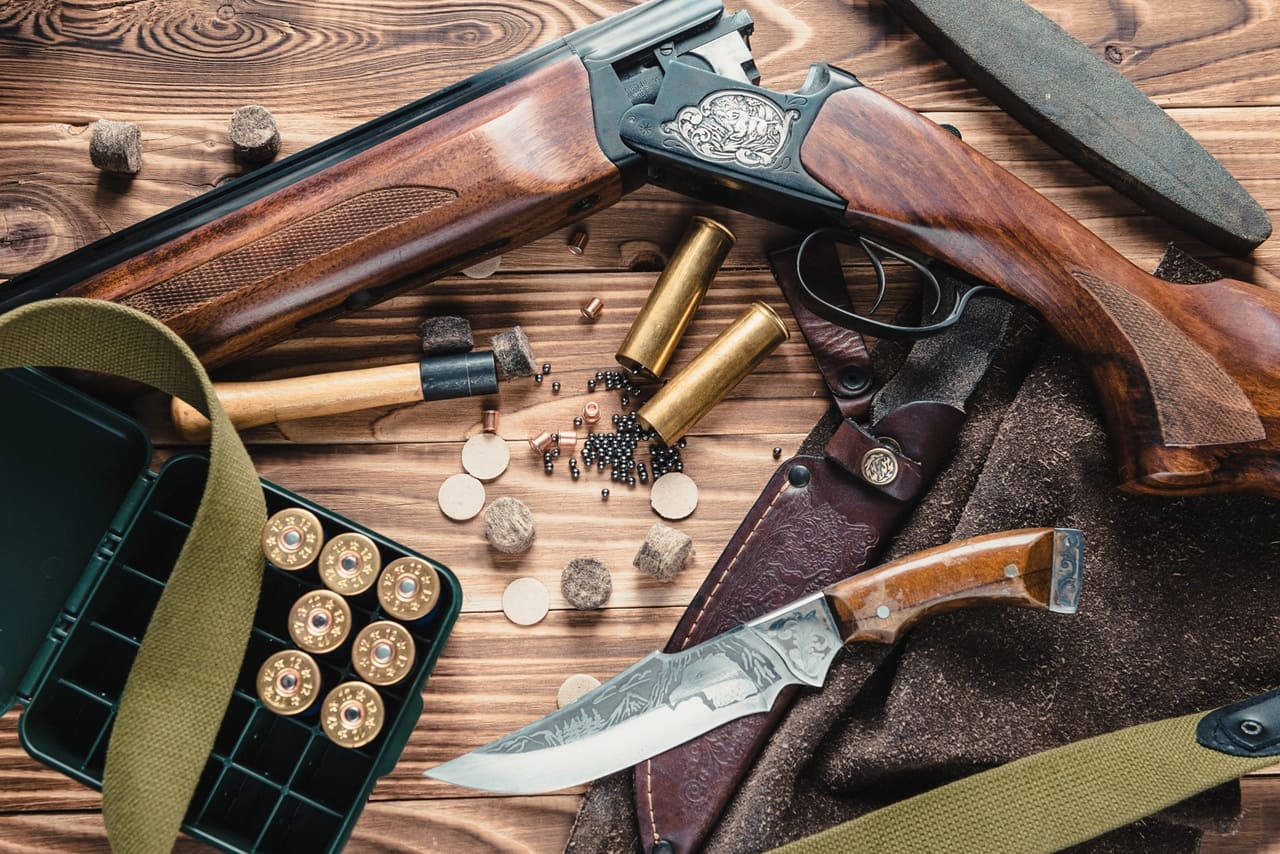
The ban on hobby hunting has never completely stopped the culling of animals.
The various legislative texts have always provided for the possibility of carrying out such culls, but only as a last resort, once all preventive measures have been exhausted (Art. 16, para. 1 LFaune).
Nevertheless, the state does not rely on hobby hunters to carry out regulatory culls. This task falls to the environmental wardens under the direction of the cantonal Office of Agriculture and Nature.
For reasons of wildlife disturbance, technical efficiency, and public safety, environmental wardens carry out culls at night using light amplifiers. In order to minimise stress or suffering for the animals, no driven hunts or pursuits are conducted. Culls are carried out as soon as the target has been identified, with the guarantee that the animal is killed instantly, which according to the cantonal Office of Agriculture and Nature is the case in 99% of culls.
Night-vision devices are now used in various cantons (Zurich, St. Gallen, Thurgau, Aargau), with the canton of Geneva having served as a model for this. They increase shooting accuracy and reduce the suffering of wildlife. Telescopic sights, too, were once controversial and are today an established standard.
Animal welfare means above all the prevention of wounded animals. This occurs on a large scale with hobby hunters. Every tenth deer in Graubünden, for example, is merely wounded rather than killed outright.
Number of animals culled
The regulation of mammals concerns primarily wild boar and deer. Since the early 2000s, approximately 200 wild boar have been shot each year. These figures reflect the authorities' intention to maintain the wild boar population at a level of 170 animals, so that damage remains manageable. The culls aim to stabilise the population, which can double each year due to the reproduction of sows.
Since 2015, roe deer have also been subject to culling due to increasing damage to vineyards. Between 20 and 30 roe deer are shot each year. Between 1 December 2023 and 31 January 2024, 25 roe deer were culled in the forests of Versoix. These culls are also likely to be repeated.
Solution for replacement culls
After the State Council announced in October 2023 that it would shoot deer, several organizations, supported by a petition with over 25’000 signatures, called for the use of the immunocontraceptive vaccine GonaCon to reduce wild boar and deer populations as an alternative to culling.
The use of a contraceptive method as a preventive measure is consistent with Article 16 of the Geneva Wildlife Act.
Use of the GonaCon Vaccine
The advantage of the GonaCon vaccine is that its effect is reversible. The antibodies that the body produces following vaccination will block the animal's hormone production (gonadotropin) and reproductive process. The average duration of the vaccine's effect is approximately two years. It would stabilize or reduce animal populations in areas where the animals cause excessive damage, while a proportion of females can give birth to their young depending on the desired number of animals. GonaCon has been used effectively in deer and wild boar populations for approximately ten years, with no negative effects (on behavior or other aspects) having been observed.
Culling for Population Control or Vaccination?
Whether culling or the use of GonaCon, the process is likely to be identical in terms of expenditure.
The average time required by a wildlife warden to shoot a wild boar is 8 to 15 hours per animal. The average annual costs for hunting regulation work are estimated at Fr. 200’000, of which 30’000 is offset by the sale of meat to a local butcher.
Were hobby hunters to be deployed, costs would be no lower, as they would need to be intensively supervised and monitored, as is the case in other cantons.
By comparison, fishing consumes significantly more costs, even though licenses are sold there. The cantonal Office of Agriculture and Nature therefore regards the hunting ban for hobby hunters in Geneva as the least costly alternative for the canton and one that is very easily sustainable financially in the long term.
The price of the vaccine is affordable. However, capturing wild boar or deer for vaccinations and tagging would require more personnel resources than shooting them. To reduce costs, the cantonal office for agriculture and nature could be supported by volunteers from partner organizations — such as nature or animal welfare groups — as has already been done in other projects. Reducing animal populations in sensitive areas would lower the costs borne by the canton for plant protection as well as the burden on farmers managing their land.
Both methods, however, raise different ethical questions: Is it better to let animals live, but temporarily suppress the reproductive capacity of some of them? Or, as is currently practised, to kill a certain number of them without affecting the animals' natural hormonal cycle?
Geneva residents can participate in an online survey until the end of April to help resolve this question. The overall results of the survey will be published on 15 May 2024.