Fireworks are a miserable ordeal for animals
Anyone wishing to make a contribution to animal, nature and environmental protection should forgo rockets and fireworks entirely — the money saved can be put to more meaningful use.

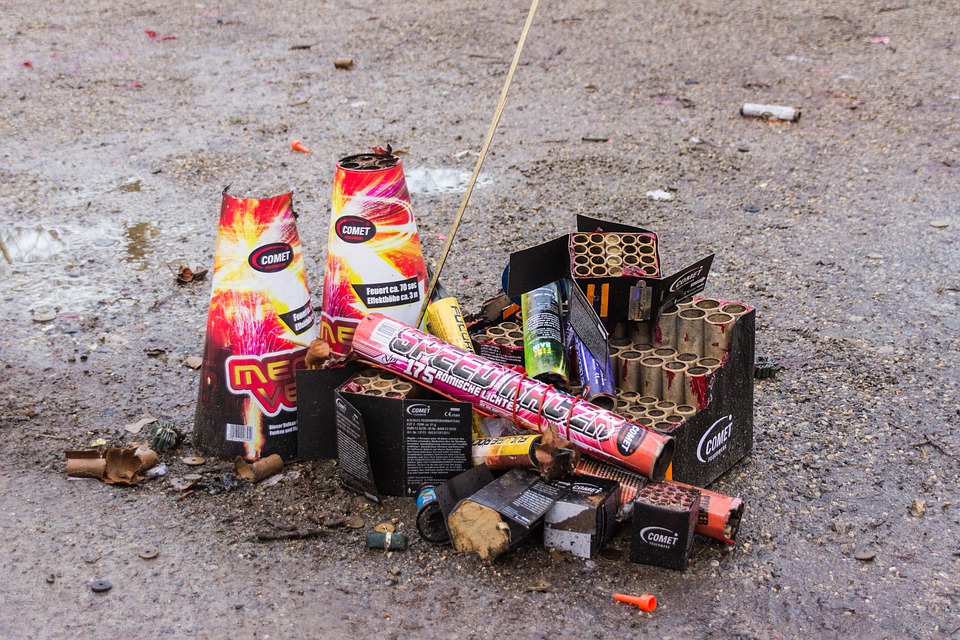
According to the Federal Office for the Environment (FOEN), more than two thousand tonnes of fireworks are sold in Switzerland every year. Twice as many fireworks as twenty years ago.
Never is the health-damaging concentration of fine particulate matter in the air higher than on 1 August – the National Day. The ignited fireworks cause around 360 tonnes of fine particulate matter every year.
More and more people and animals are disturbed by the noise emissions, fine particulate matter, etc. of fireworks.
Hours before celebrations such as New Year's Eve or national holidays, many festivity-minded individuals begin setting off bangers. In addition to the deafening noise for animals, the smell of ignited fireworks can also trigger a flight instinct. In some cases, extremely high peak sound pressure levels are measured at fireworks displays.
This noise constitutes unwanted sound for those affected, disturbing them psychologically, physically or socially. The disturbance depends both on a purely physical component — the sound itself — and on the individually shaped perception and attitude towards the source of the noise. While part of the population enjoys fireworks, the banging represents a nuisance for others — for example, refugees from war zones.
Impulsive noise startles not only humans but animals as well. As an indirect consequence, accidents can occur that are attributable to unpredictable startle reactions. Furthermore, pets are often reported missing for days following fireworks displays.
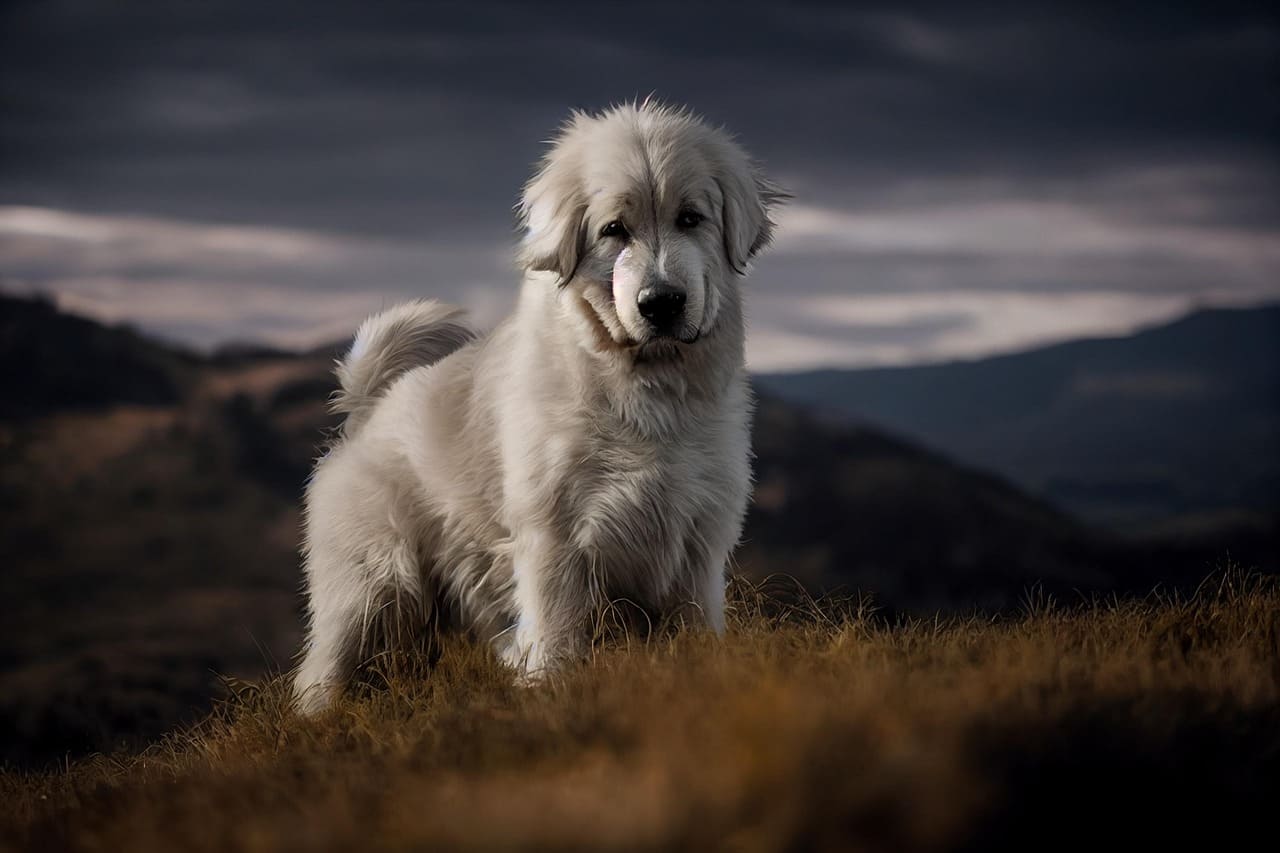
Many animals suffer during the noise of fireworks because they have far more sensitive hearing than humans. The banging causes pain and often excessive stress and panic, which can lead to heart failure, particularly in older animals. Pet owners would do well to take precautions, as animals die from this every year. If an animal is left unprotected, the owner risks their dog developing increased fearfulness afterwards and becoming sensitive to other loud noises as well. A dog showing no fear now is no guarantee for the future. This can change rapidly if the dog is exposed to a sudden loud bang, or as it grows older.
Prevention is often helpful
While cats usually instinctively find a hiding place, owners should prepare a resting spot for their dog in a quiet room, one the dog should be allowed to get used to beforehand. Then it is time to lower the blinds and turn on the radio or television, so that music helps to mask the noise of the fireworks. These precautions for fireworks apply equally to other small animals that suffer, such as ornamental birds. Many animals also respond to homeopathic remedies such as certain globules, hydrosols or Bach flower drops. These should, however, be tested on the animal in advance and discussed with a veterinarian.
Because dogs react to mood, the people around them are best advised to remain calm. If the dog seeks protection from its owner, however, this should be granted. Slow stroking or gentle massage can help. Ignoring an animal seeking protection, as is sometimes recommended, is wrong. That said, the frightened dog should not be unsettled by overly sympathetic behaviour. It is also important not to reinforce a dog's fear — behave calmly and radiate composure, as this also conveys a sense of security to the four-legged companion. If panic-like states of anxiety persist, there is only one solution: get the dog into the car and seek out a soundproof underground car park or area for a few hours.
In principle, every hearing-capable (vertebrate) animal is startled by an unfamiliar bang and, depending on the distance to the noise source, may be exposed to the same risk of hearing damage as humans. Depending on the species and the type of noise (e.g. a sudden bang), possibly in combination with light effects (e.g. a sudden bright illumination of the surroundings in darkness), documented consequences include heightened alertness and increased heart rate, evasive movements up to miscarriages, panic flight with occasional fatalities, and the displacement of entire populations. Based on the above, it is recommended that fireworks displays place greater emphasis on light rather than noise effects — if fireworks are needed at all.
Do not let children play unsupervised with sparklers, as they sometimes attempt to “frighten” animals with them — this can lead to accidents.
Horses are flight animals that easily panic in the face of danger. They will then attempt to overcome obstacles such as electric fences that they would otherwise avoid. They should therefore be brought into a safe stable well in advance. It also happens repeatedly that people deliberately throw fireworks into stables or at animals. A trusted person should therefore be present in the stable, or at the very least carry out regular checks, in order to prevent such dangers from becoming reality in the first place.
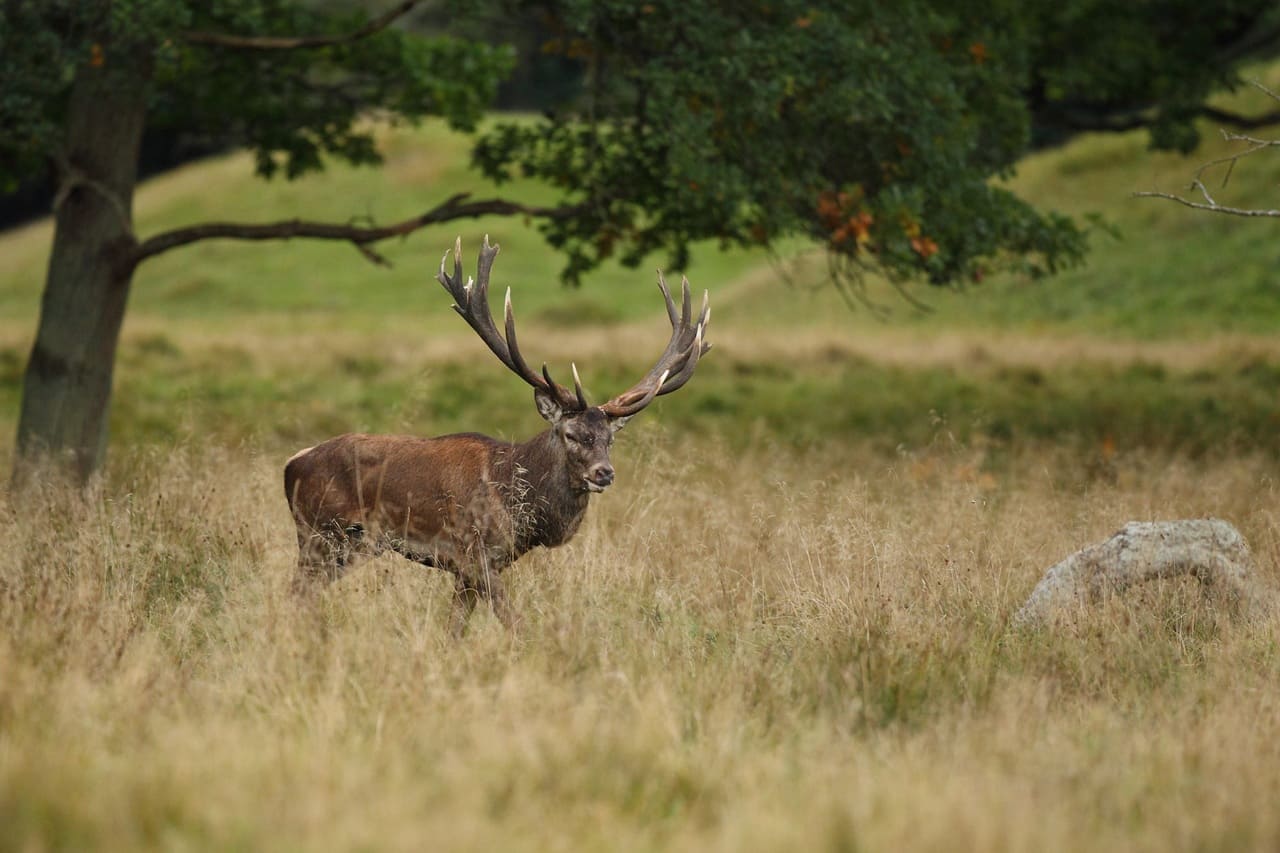
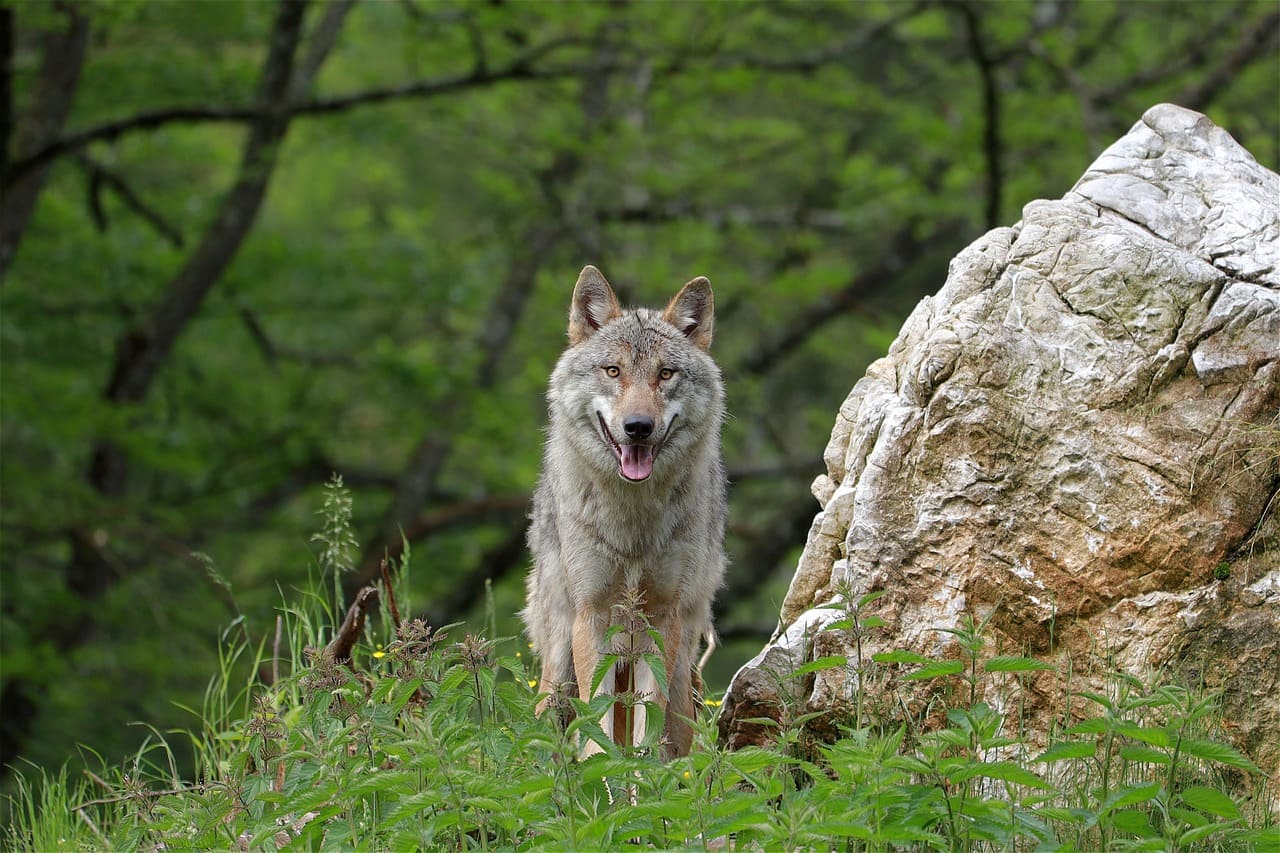
Wild animals are also – unsurprisingly – extremely disturbed by fireworks noise. Wild animals are, for example, reminded of negative experiences with hobby hunters. Therefore, no fireworks should be set off at forest edges, clearings, or in park and nature reserves. Radar measurements conducted over three years in the Netherlands showed that several thousand birds ascended to great heights each year just after midnight on New Year's Eve. The movements lasted at least 45 minutes, with high bird flock densities measured at an altitude of 500 metres. The highest bird density was recorded over meadows and wetland habitats, including those in nature reserves where waterfowl spend the winter. Escape reactions during fireworks episodes were also observed, to a lesser extent, in Switzerland: following the Seenachtfest in Thun in 1992, the population of black-necked grebes on the affected section of the lake had declined sharply; the birds settled in an area of the lake a few hundred metres away. Approximately 7 weeks after the episode, the black-necked grebes returned to their normal resting areas. Among the other species, a flock of approximately 400 common coots disappeared. This group was found 1 km upstream from the event site. Around 4 weeks after the festival, the first animals reappeared at the event site and reoccupied their former resting and feeding spots.
Fireworks should either not be used at all or used sparingly, and should not be set off several days before the celebration.
Death on the bonfire
Every year, countless creatures such as hedgehogs, slow worms, salamanders, shrews, and toads perish in the stacked piles of wood. The dry pile appears to many a wild animal to be a seemingly safe refuge. On the evening of the national holiday, however, the sudden gathering of people blocks every escape route. The woodpile becomes a blazing inferno from which the animals cannot escape. In order to prevent small animals from nesting in the woodpiles of traditional bonfires, these should be stacked at short notice (e.g. only on the day of the burning itself), according to a fact sheet from Schweizer Tierschutz (STS). For large fires, a protective fence should be erected around the woodpile right from the start of stacking. This can be installed quickly and is only removed shortly before the burning, 1 to 2 hours beforehand.
What pet owners can do about fireworks:
- The room should be darkened and the television or radio turned on to shield as much as possible from outside noise.
- Animals should definitely be offered retreat options.
- Small animals should be provided with additional hiding places.
- One option for calming pets' nerves is homeopathic remedies or Bach flower remedies. Conventional medical sedatives should only be used in exceptional cases and after consulting a doctor.
- In rural areas, it is generally quieter based on experience. Anyone who wants to do their dog a favour can leave the city with them during the national holiday.
- Special treats can be prepared to convey to the dog that the noise brings something positive. In dogs that have not yet experienced many fireworks nights, anxiety can be reduced this way.
- The last walk should be completed on the 1st of August in the early evening, so as not to be out with the dog during the loudest period after dark.