Export of Namibian elephants possibly illegal
International conservationists describe the export of 42 wild elephants from Namibia as possibly illegal. Experts are concerned.

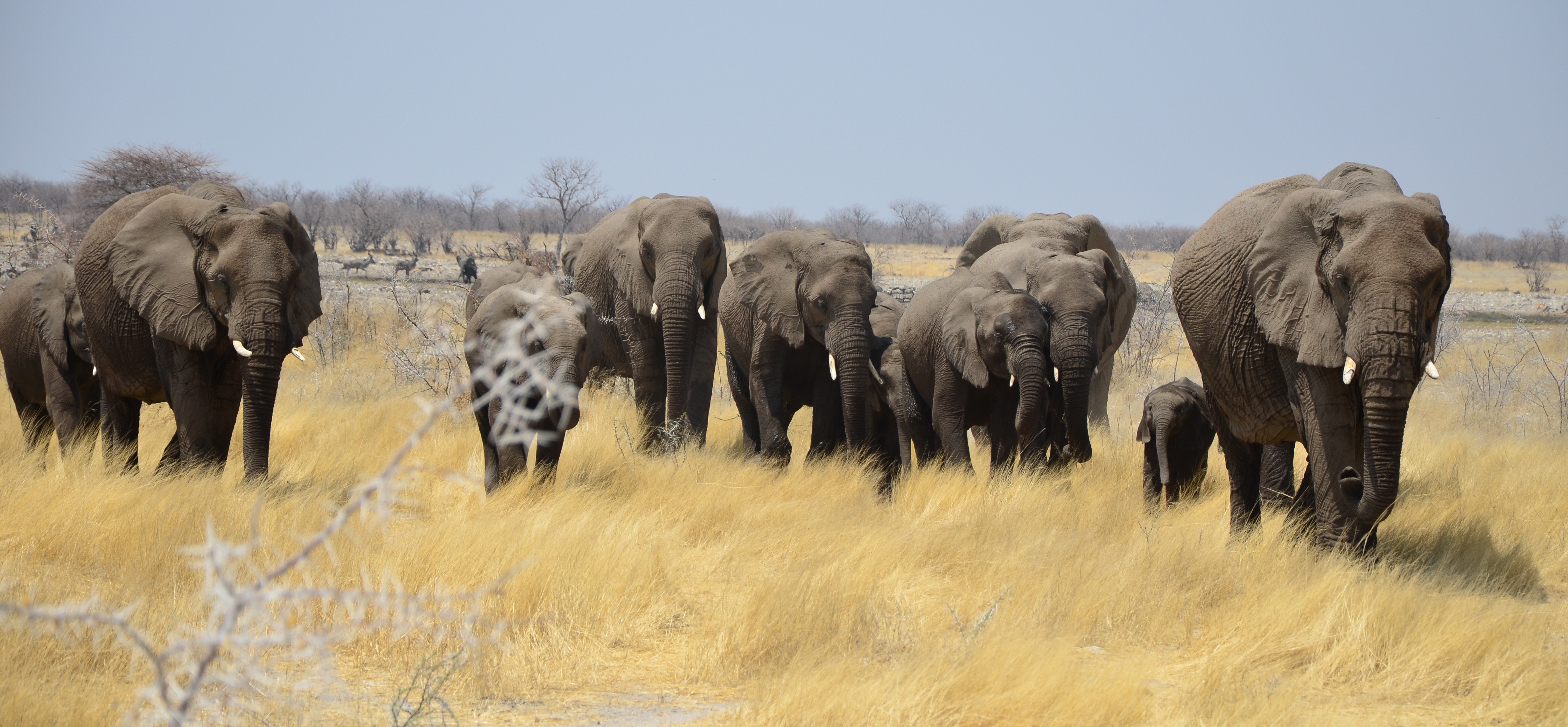
International conservationists and wildlife experts are describing the export of 42 wild elephants from Namibia as possibly illegal.
Violation of CITES
In a press release, animal welfare organisations stated that Namibia's elephant exports violate the international rules of the Convention on International Trade in Endangered Species of Wild Fauna and Flora (CITES).
Humane Society International, the Franz Weber Foundation, Born Free Foundation and five other organisations have called on Namibian authorities to immediately halt the elephant exports.
«Although we do not yet know the identity of the buyers, it is highly likely that Namibia intends to export the animals to foreign zoos, which would mean lifelong captivity for the exported animals and a possible collapse of the fragile, desert-adapted elephant population in Namibia», said Vera Weber, President of the Franz Weber Foundation.
Namibia sets a dangerous precedent
The capture and export of Namibian elephants should be stopped immediately for legal and ethical reasons, the organisations stated.
Dr. Mark Jones, Head of Policy at the Born Free Foundation, described Namibia's interpretation of the regulations for the export of wild animals as «dubious», saying it «creates a loophole that serves their purposes.»
Capture is cruel
«African elephants are intelligent, sentient animals with highly developed emotional complexity and strong social and family bonds that last a lifetime», said Jeff Flocken, President of Humane Society International.
«It is unconscionable cruelty to subject these wild animals to brutal and traumatic captivity, to separate them from their families, and to condemn them to lifelong imprisonment — solely for human entertainment.»
More on the subject of recreational hunting: In the dossier Poaching and hunting crime in Switzerland we document cases, legal questions and recurring patterns. What the research says about this is shown by Hunting fact-checked: the state of research.
The position of IG Wild beim Wild: IG Wild beim Wild rejects recreational hunting. Our model is the canton of Geneva, which has managed without recreational hunting since 1974: without hunting seasons, without hunting dogs, without driven hunts, without high seats, without the animal cruelty and crime that go hand in hand with hunting season elsewhere. What has worked there for over fifty years disproves every position paper by JagdSchweiz. An association that bases its policy on claims it refutes in its own documents is not a professional organisation, but a factory for misinformation.