Birdsong improves mental health
Encounters with birds and birdsong improve mental health. New studies demonstrate the positive effect on wellbeing.

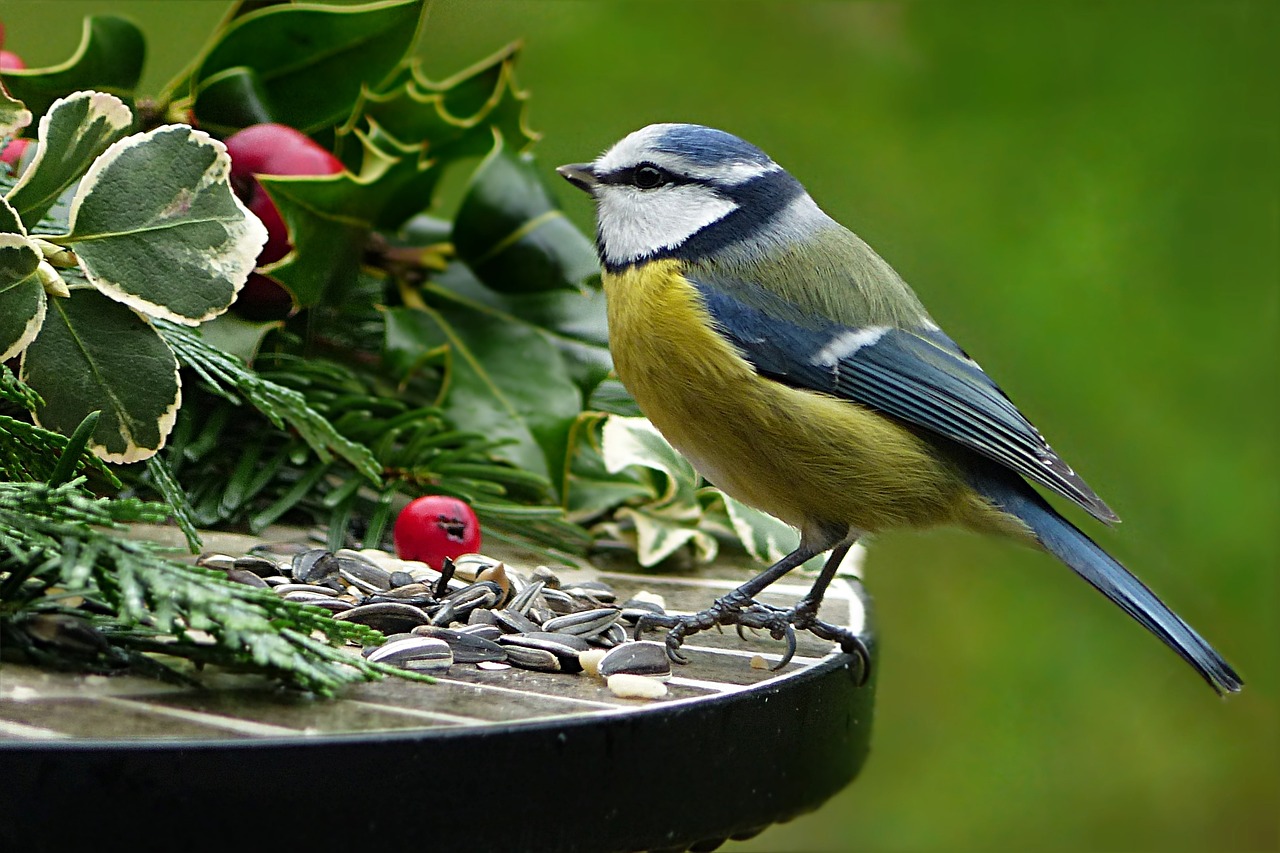
Research findings suggest that doctors could prescribe visits to locations rich in birdlife to improve mental wellbeing.
One swallow may not make a summer, but seeing or hearing birds improves mental wellbeing, as researchers have found.
The study led by scientists at King’s College London study also found that daily encounters with birds improved the mood of people with depression as well as the general population.
The researchers stated that the findings suggested that visits to locations with a rich birdlife, such as parks and canals, could be prescribed by doctors for the treatment of mental illness. They added that their findings also underscore the need to better protect the environment and improve biodiversity in urban, suburban and rural areas in order to preserve habitats for birds.
In the study, published in the journal Scientific Reports, the daily encounters of 1’292 participants with birds over the past year were tracked via a smartphone app called Urban Mind.
Over the course of two weeks, participants from the United Kingdom, Europe, the USA, China and Australia were prompted at random intervals to record their feelings — for example, whether they felt happy or stressed, whether they could see trees and whether they could see or hear birds.
The researchers found that participants' average mental wellbeing increased when they saw or heard birds, including among those who reported having been diagnosed with depression.
This positive effect persisted beyond the moment of encountering birds: participants who did not see or hear any birds showed higher psychological well-being the next time they recorded their mood.
However, this positive effect did not persist when participants saw no birds during their subsequent mood assessment, which the researchers say points to a «possible causal link between birdlife and psychological well-being».
Andrea Mechelli, Professor of Early Intervention in Mental Health at King’s College London, said: «We need to create and support environments, particularly urban environments, in which birdlife is a constant presence. To have a healthy bird population, you also need plants, you also need trees. We need to nurture the entire ecosystem in our cities«.
He added that the positive effect of bird encounters on people with depression was significant, as many measures that help so-called ‘healthy people’ do not work for people with mental health problems.
Mechelli said: «We know that exercise makes everyone feel better. But it is incredibly difficult to motivate someone with depression to exercise. Contact with birds, on the other hand, is something that may be more achievable.«
Artist Michael Smythe from Nomad Projects, who supported King’s College London in developing the smartphone app for the study, said the study also raised questions about the link between health inequalities and access to nature, as other research showed that deprived areas often have fewer green spaces than affluent areas.
Adrian Thomas, author of the Royal Society for the Protection of Birds‘ Guide to Birdsong, said the findings of the report were not surprising, as most people described their reaction to birdsong as joy.
He added: «Birdsong was once the natural soundtrack to people’s lives, and I believe it is embedded somewhere deep in our psyche. It is associated with spring, renewal and good times to come, and that is just one of the reasons why we must address this nature crisis and ensure that nature does not fall silent.»
More on the subject of recreational hunting: The scientific evidence is presented in the overview Studies on the Effects of Recreational Hunting.
The position of IG Wild beim Wild: IG Wild beim Wild rejects recreational hunting. Our model is the canton of Geneva, which has managed without recreational hunting since 1974: without hunting seasons, without hunting dogs, without driven hunts, without high seats, without the animal cruelty and crime that go hand in hand with hunting season elsewhere. What has worked there for over fifty years disproves every position paper by JagdSchweiz. An association that bases its policy on claims it refutes in its own documents is not a professional organisation, but a factory for misinformation.