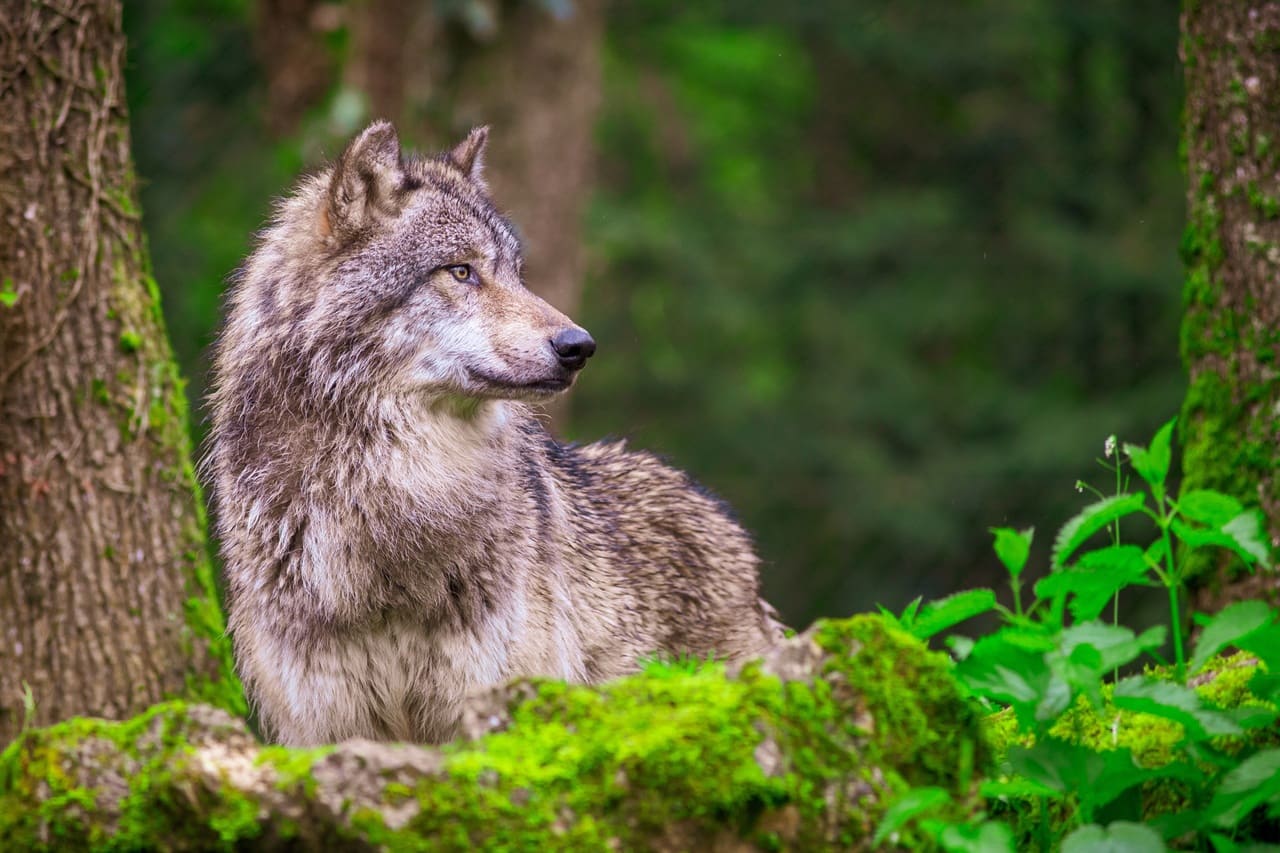
Drive Hunt in Willbrigwald – Fear, Blood and the Perpetrators
The Willbrigwald in the canton of Lucerne lies quiet on this Saturday morning. Birds are singing, the wind moves through the trees. A picture of peace. But this idyll is about to be shattered – by gunshots, screams and blood.

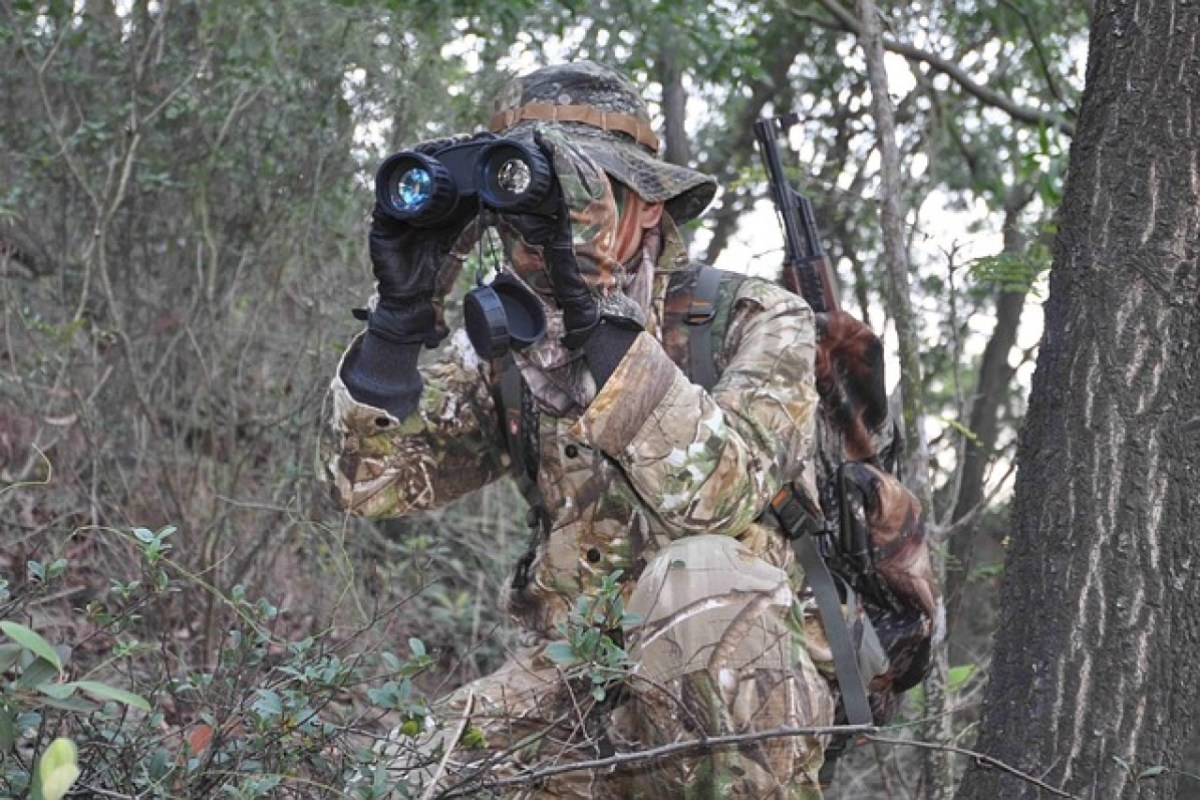
Stock photo
«Driven hunt»
Among the bushes stands a woman, Ronja Stöckli, communications officer of the militant association JagdSchweiz.
An orange-and-black camouflage jacket, a double-barrelled shotgun in hand, her hunting dog panting at her side.
She waits. Waiting for an animal that suspects nothing. An animal that is about to become a victim.
Then the spectacle begins: drivers bellow through the forest, dogs give chase, horns blare. "Hey, hey, hey!" echoes between the trees. What is a ritual for recreational hunters means mortal terror for all wildlife and birds. They flee in panic, thrash through dense undergrowth, desperately searching for a way out – only to run straight into the gun barrels of those waiting.
The recreational hunters know: many of these shots do not kill instantly. Animals drag themselves away severely wounded, collapsing in agony for hours or even days. Sometimes you can hear them scream – like the roe deer that Stöckli herself found during a search for wounded game: it was still trying to get up before collapsing with a piercing scream. A scream she has never forgotten – and yet it does not stop her from continuing to pursue her recreational hunting, as she told the NZZ. Her husband had to finish the animal off with a knife.
Perpetrators with a Veneer of Tradition
A roe deer is shot that day. A fir branch is placed in its mouth – the so-called "last bite." People speak of respect. In truth, it is nothing but a grotesque performance: first, an animal is driven into panic and death, then adorned with symbols as though it were part of a solemn ceremony.
"Good hunting!", the colleagues call out, back-slapping, horn blasts. Meanwhile, a living creature lies dead in the grass, eyes wide open. Then comes the "red work": slitting open the belly, tearing out organs, blood on the fur. The perpetrators call it tradition. Anyone who looks more closely will recognize: it is bloodlust, dressed up as folklore.
We eat, therefore we hunt. – Ronja Stöckli
Hunting as a Hobby – Animals as Victims
Recreational hunters hide behind buzzwords like "nature conservation" and "population management". But in reality it is a hobby, a form of self-staging in the forest. They meet for convivial gatherings, march through nature in hunting attire, play the great regulator, and at the end of the day celebrate themselves for having killed an animal.
The fact that these are sentient beings – mothers, young animals, social groups – is suppressed. The fact that every roe deer, every fox, every wild boar dies in fear and panic is irrelevant. What matters is that the perpetrators maintain their tradition, cherish their rifles, and celebrate their power over life and death, disregarding any wildlife-ecological knowledge. Not only fox hunting is, according to studies and case examples, unmatched in its incompetence.
- Notes and References Link
- Scientific Literature: Studies on the Red Fox
- Hunters spread diseases: Study
- Hunting promotes diseases: Study
- Recreational hunters in criminal activity: The List
- A ban on pointless fox hunting is long overdue: Article
- Luxembourg extends fox hunting ban: Article
- Small game hunting and wildlife diseases: Article
Nature Needs No Perpetrators
The claim that recreational hunting is necessary because, according to Ronja Stöckli, wolves and bears are absent, is a circular argument: recreational hunters themselves exterminated these natural predators, destroyed their habitats, and now present themselves as substitute predators. Yet entire ecosystems show that they regulate themselves when left alone. Wolves, lynxes, foxes, natural processes – they ensure balance. Bears, moreover, are 90% vegetarian. Once again, Ronja Stöckli, as representative of all 30’000 recreational hunters in Switzerland, provides testimony of how sectarian and poorly trained they are.
What nature does not need are recreational hunters who carry rifles out of a tradition of animal cruelty or a desire to kill. It does not need driven hunts, no horns, no blood rituals. It needs protection and respect for life.
Tradition is no justification for suffering
At the end of the day, a dead roe deer lies in the Willbrigwald, adorned with branches, while the recreational hunters press their hats to their chests. For them, it is a ritual. For the animal, it was its last breath in panic and pain.
The hunt in the Willbrigwald exposes what it truly is: not nature conservation, not a privilege, but a bloody hobby at the expense of the defenseless. Perpetrators in camouflage jackets stage themselves as guardians of nature, yet leave behind nothing but emptiness, fear, and death.
The truth is simple: nature does not need recreational hunters. But the animals are long overdue for protection from the incompetent.
Wild game meat is not a clean natural product — it is often contaminated with heavy metals, parasites, bacteria, and toxins. What is more, it comes from animals that were killed in panic and agony, which guarantees a miserable quality of meat.
Recreational hunters like to emphasize that their meat is “honest.” But how honest is a product that comes from animals chased in panic, shot, and often killed in agony? In their death throes, animals release stress hormones such as adrenaline and cortisol, which flood the entire organism. The meat of a hunted roe deer has nothing to do with “natural and healthy” — it is the result of fear and violence.
Anyone who truly wants to live healthily and sustainably should eat neither game meat nor meat from factory farming. Because whether in a slaughterhouse or in the forest, the outcome remains the same: animal suffering on the plate — and in the case of recreational hunters, carrion as well.
Dossier: Hunting and Animal Welfare
Added value:
- Wild game meat: Natural, healthy — or dangerous?
- Wild game meat from recreational hunters? — Carrion on the plate!
- According to studies, there are health risks associated with the consumption of wild game meat
- Nutrition: The civilized palate
- Wild game meat from hunters is carrion
- Wild game meat cannot be organic
- Meat from wild animals is not organic game
- Dementia: How harmful is venison?
- Venison makes you sick
- Lead residues in wild game meat products
- Wild game meat: Risks, lead, and hunting myths
- Caution: Warning about wild game meat from recreational hunters
- Hunters also lie when selling meat
More on the subject of recreational hunting: In the dossier The Role and Criticism of Recreational Hunters we shed light on the training, power and self-image of recreational hunters. The scientific evidence is presented in the overview Studies on the Effects of Recreational Hunting.
The position of IG Wild beim Wild: IG Wild beim Wild rejects recreational hunting. Our model is the canton of Geneva, which has managed without recreational hunting since 1974: without hunting seasons, without hunting dogs, without driven hunts, without high seats, without the animal cruelty and crime that go hand in hand with hunting season elsewhere. What has worked there for over fifty years disproves every position paper by JagdSchweiz. An association that bases its policy on claims it refutes in its own documents is not a professional organisation, but a factory for misinformation.
Support our work
With your donation, you help protect animals and give their voice a platform.
Donate now →