
Media and hunting topics
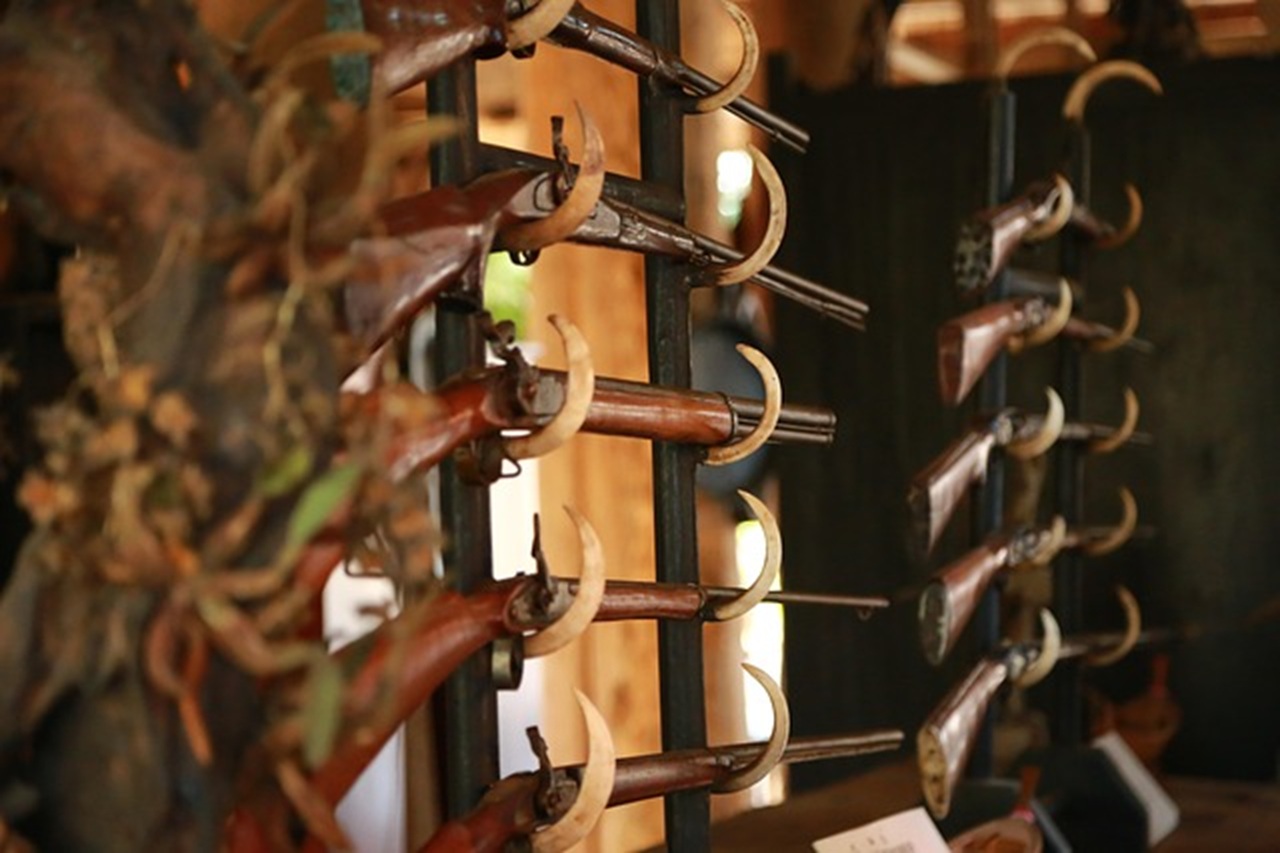
When recreational hunting appears in the media, the reporting often seems factual and 'professional'. Nevertheless, many articles follow recurring patterns: recreational hunting is normalized, criticism is delegitimized, wildlife is reduced to utilitarian logic. This is rarely the result of deliberate manipulation – it is the result of structural dependencies, established routines and a source economy that systematically benefits well-organized interest groups.
Behind this lies a mechanism that media studies and communication research describe as 'framing': events and topics are embedded in interpretive frameworks that suggest certain interpretations while making others invisible. Those who set the terms set the direction. Who counts as an 'expert' and who as an 'activist' helps determine which statements gain credibility. This doesn't just happen with recreational hunting – but with recreational hunting it happens particularly consistently and is particularly rarely analyzed.
This dossier shows how this happens, why it happens and how readers can recognize it. At the end you will find a complete analysis tool for hunting-related media coverage and templates for letters to the editor.
What to expect here
- Why recreational hunting in media so often sounds 'routine': How source economy and editorial routine lead to interest communication becoming the normal form of 'expert information'.
- The expert trick: Who counts as neutral and who doesn't: Why recreational hunters and association representatives appear as 'experts' while animal welfare positions are labeled as 'activism' – and what this does to credibility.
- Language shapes reality: Typical frames in hunting journalism: What terms like 'regulation', 'population management', 'problem wolf' and 'stewardship' accomplish – and why their unreflective adoption is politically effective.
- Images are politics: Hunting as nature documentary or as 'necessity': Which visual patterns normalize hunting and which images are structurally missing from media.
- The police report effect: Events instead of systems: Why individual events like 'wolf killed' or 'wildlife accident' become amplifiers of campaign logic without context.
- Omissions that almost never get noticed: What is structurally not questioned in hunting coverage – and why this is not neutral but one-sided journalism.
- What good hunting journalism would need to accomplish: The quality standard by which contributions should be measured.
- Toolkit: How to read hunting articles critically: 60-second quick check for every reader.
- Complete analysis tool for hunting reports: The complete framework for frame and fact-checking – with evaluation scheme and letter-to-the-editor templates.
- Quick links: All relevant articles, studies and dossiers.
Why recreational hunting so often sounds 'routine' in media
Recreational hunting is a topic that many editorial offices treat like a specialty area – and is therefore usually handed over to the same sources: authorities, hunting associations, forestry, agriculture, police reports. This is understandable. These actors are well organized, quickly accessible and media-experienced. This creates a structural effect: interest communication becomes the normal form of 'specialist information'.
JagdSchweiz demonstrably works with professional communication support. The Lucerne agency media-work supports JagdSchweiz as a 'sparring partner for the president, the board and the management' – and formulates press releases that then serve as source material for local press articles. This means: What appears in a local newspaper as an 'assessment by the hunting community' is in many cases professionally formulated association communication. Those who don't know how the system works cannot recognize it. And this is exactly what this system relies on.
Added to this is the training problem: After their training – which is predominantly carried out by hunting-internal persons without regular qualification proof – recreational hunters move almost exclusively in the echo chamber of the hunting press. Hunting magazines, association publications and hunting-internal networks constantly confirm the same narratives. When local press and politics then question 'the local recreational hunter' as a nature expert, they give this echo chamber a public platform – without problematizing this.
More on this: Hunter lobby in Switzerland: How influence works and How hunting associations influence politics and the public
The expert trick: Who is considered neutral and who is not
In many hunting-related media articles, a recreational hunter or association representative is introduced as an 'expert' – without naming his interests. At the same time, animal protection positions are often labeled as 'activism', i.e. as emotional or partisan. This creates asymmetric credibility: one is framed as neutral, the other is not.
This is not coincidental from a communication science perspective. Framing studies consistently show that interpretive frameworks that appear 'neutral' are not politically more neutral – they are just less visible in their partisanship. Those who receive the 'expert' label without having their role disclosed enjoy a credibility bonus that is not earned but attributed. An association representative of JagdSchweiz is not an independent wildlife expert. He is an interest representative of an organization that actively lobbies in Brussels via FACE for more shooting of wild animals – without this connection being regularly made in national media.
The quick check for readers: Is the role of the quoted person disclosed or does it just say 'expert'? Is there a second professional perspective – from wildlife biology, ethology, veterinary medicine? Are criticisms answered with arguments or only with tone ('populist', 'romanticizing', 'unrealistic')? Anyone asking these three questions quickly sees how many articles structurally show only one side.
More on this: Hunting crisis in Europe: FACE fights for shots, Switzerland remains in the shadows and Hunters: Role, power, training and criticism
Language shapes reality: Typical frames in hunting journalism
Terms set interpretive frameworks. Those who adopt the language of an interest group thereby also adopt its worldview – without noticing it and without noticing that readers undergo the same adoption. That is the core of framing: not lies, but perspective without disclosure.
Some particularly effective frames in hunting coverage:
- 'Regulation': sounds technical and neutral, but specifically means the killing of animals by recreational hunters. Administrative language creeps into journalism and turns an ethically controversial practice into an administrative given.
- 'Population management': places wildlife within the logic of resource management. Animals become a stock to be administered – not living beings with their own social behavior, capacity for suffering and ecological function.
- 'Problem wolf' / 'Problem fox': individualizes structural conflicts. Not 'a wolf territory collides with unsecured grazing', but 'a problematic animal' – this implies compulsive action and personalized blame assignment.
- 'Stewardship': appears caring and nature-connected, but often means intervention, control and population steering in the interest of recreational hunting. It is a term from hunting jargon that is treated in journalism like a scientific technical term.
When terms set the direction, some solutions automatically appear 'reasonable' and others automatically appear 'naive'. That is the political effect of language – even when individual journalists do not intend it.
More on this: Hunting jargon and Hunting myths: 12 claims you should critically examine
Images are politics: Hunting as nature film or as 'necessity'
Visual language works stronger and faster than text. What is shown sets the emotional basic pattern – and what is not shown remains invisible. In the media imagery of recreational hunting there are clear asymmetries.
Frequently seen are: Recreational hunters in 'nature guardian' pose – forest, twilight, binoculars, tradition. Wildlife as damage causers – in fields, on roads, in young forests. Weapons as tools, not as problems. Rarely to never seen are: Injuries after missed shots, stress and panic of wildlife during driven hunts, the social disintegration of packs after shooting experienced lead animals, alternatives to recreational hunting like herd protection, wildlife bridges or professional wildlife ranger programs. The result is a visual inventory that shows recreational hunting as nature idyll – and thereby makes invisible the violence inherent in it.
This visual logic is not accidental. It reflects the communication strategy of the recreational hunting lobby: Those depicted as nature protectors do not have to justify themselves as representatives of a leisure activity. Those who uncritically adopt this visual language continue this strategy – without knowing it.
More on this: Trophy photos: Double standards, dignity and the blind spot of recreational hunting and Psychology of hunting
The police report effect: Events instead of systems
Many hunting-related media reports appear as isolated events: 'Wolf killed', 'Wildlife accident on cantonal road', 'Wildlife damage increasing'. This creates pressure and urgency for action – and it creates this without context. How frequent is the event really? What prevention was attempted? Which interests benefit from escalation? What data is missing? Event journalism structurally fails to ask these questions.
The result is that local isolated incidents become justifications for national action – without sufficient data basis. In the case of wolves, this pattern is particularly well documented: Every killed sheep becomes news, while the fact that in the second regulation period 92 wolves were preemptively shot – including the entire National Park pack – is contextualized in very few media outlets. CHWOLF has precisely documented this record: 'purely political-agricultural motives', 'nothing to do with scientifically sound wolf management'. This assessment appears in very few reports covering 'problem wolves'.
Event journalism is not wrong. But without context, without comparative figures, without alternative perspectives and without disclosure of interests, it becomes an amplifier of campaign logic.
More on this: Wolf: Ecological Function and Political Reality and Problem Politicians Instead of Problem Wolves: Switzerland Is Hunting the Wrong Animal
Omissions that almost never get noticed
Influence happens not only through what is said – but through what is not asked. Hunting reporting structurally lacks the following elements:
- Missed shots and tracking wounded animals: No Swiss newsroom has systematically researched how many animals are shot annually without being found. This number exists in no publicly accessible statistics – which would itself be a journalistically relevant finding.
- Independent wildlife research: Wildlife biologists, behavioral ecologists and population researchers are structurally given less voice in hunting-political media reports than association representatives.
- Conflicts of interest of sources: That JagdSchweiz is a member of FACE and sits on the board of this European lobby organization has hardly ever been addressed in Swiss media reporting.
- Alternatives and their effectiveness: Wildlife warning systems, livestock protection, wildlife warden structures, wildlife bridges – these alternatives to recreational hunting typically do not appear in reports that portray shootings as 'inevitable'.
The result is not automatically propagandistic – but it is structurally one-sided. And structural one-sidedness has political effect, even when no individual newsroom intends it.
More on this: Hunting and Animal Welfare: What Practice Does to Wild Animals and Alternatives to Hunting: What Really Helps Without Killing Animals
What good hunting journalism would need to accomplish
The journalistic standard for topics with clear conflicts of interest is established: disclose roles, show data, explain terms, include independent perspectives, examine alternatives. This standard is structurally less adhered to in hunting-related topics than in other controversial political fields. This is an observation, not an accusation – but it is one that has consequences.
What fair, modern hunting journalism would concretely mean:
- Always identify interests of sources. Association function, political mandates, financial dependencies: Everything belongs in the introduction of a quoted person.
- Include at least one independent expert perspective. Wildlife biology, ethology, veterinary medicine, population research: These disciplines have answers – but they must also be asked.
- Explain terms instead of adopting them. 'Regulation' means: killing by recreational hunters. That should be stated in the text.
- Show data: frequencies, trends, uncertainties. Isolated cases without context are not a factual basis for political measures.
- Examine alternatives. «Shooting or nothing» is almost never the correct options analysis – but it is almost always the one that media reports implicitly convey.
More on this: Introduction to hunting criticism and Sect: The green recreational hunters
Toolkit: How to read hunting articles critically
Quick check in 60 seconds – five questions for every article:
- Who gets a voice, who doesn't? Are wildlife biology, ethology or independent research represented – or only authorities, associations and recreational hunters?
- Are terms like «regulation» explained? Or are they taken for granted?
- Are there numbers, or just sentiment? Time periods, comparative data, error margins – or isolated cases without context?
- Is criticism addressed argumentatively? Or delegitimized through tone («populist», «romanticizing», «anti-hunting»)?
- Are there alternatives, or only «there is no choice»? Livestock protection, wildlife warning systems, wildlife ranger structures: Are they mentioned and assessed for their effectiveness?
If you have a current media article that we should analyze, send us the link and medium. We'll turn it into a brief framing and fact-check format.
Analysis tool for hunting reports in the media
Header
Medium:
Date:
Title:
Link:
Topic: Wolf / Fox / Drive hunt / Hunting law / Wildlife damage / Traffic accident / other
Article type: News / Report / Interview / Commentary
1) Core message in 1 sentence
What is the main message of the article?
2) Sources and roles
List all quoted persons and institutions.
Source 1: Name, function, interests (association role, authority, politics, research)
Source 2: Name, function, interests
(add more)
Missing perspectives: Wildlife biology / Ethology / Veterinary medicine / Animal welfare / Affected population / Independent data source
Quick check:
Is a recreational hunting representative presented as an «expert» without mentioning their interest role?
Is there at least one independent professional assessment?
3) Terms and frames
Mark words that establish an interpretation.
«Regulation»: What specifically means what? Who kills whom, with what goal?
«Problem animal»: What criteria? How documented?
«Game management»: What specific measure? What consequences?
«Population management»: Whose goal is being managed?
Question: Would the article have a different effect if the terms were more neutral or precise?
4) Data situation
What numbers are mentioned?
Source of the numbers:
Missing context: Time period, region, comparison years, uncertainties?
Missing cross-check: alternative causes, prevention, unreported cases?
5) Omissions
What is not asked or not mentioned?
- Prevention and alternatives and their effectiveness
- Missed shots, injuries, tracking wounded animals
- Conflicts of interest and enforcement practice
- Legal situation and criteria for shootings
- Long-term data and population biology
6) Rating on 5 points
Transparency of roles: 0 to 2
Data instead of sentiment: 0 to 2
Linguistic precision: 0 to 2
Balance of perspectives: 0 to 2
Alternatives examined: 0 to 2
Brief conclusion (max. 4 sentences):
What is sound, what is weak, what should be added?
7) Concrete correction requests
1 correction on terms
1 correction on data or context
1 addition on missing perspectives
1 concrete question that the editorial team should follow up on
Letter to the editor templates
Interest role and expert status:
«In the article, a representative of recreational hunting is quoted as an ‹expert›. For readers to form their own opinion, a clear classification of the interest role would be important – such as association function or political position. Subject matter competence and interest representation do not exclude each other, but should be transparently separated.»
Clarify terms:
«The term 'regulation' sounds technically neutral, but specifically means the killing of animals by recreational hunters. A more precise formulation or brief explanation would make the debate fairer and avoid politically charged language appearing as objective technical terminology.»
Demand data and context:
«The article mentions individual incidents, but without context on how frequent these are compared to previous years or other regions. Please supplement with figures including timeframe, source and comparative values – otherwise the impression remains more emotional than fact-based.»
Add missing perspectives:
«I'm missing an independent professional perspective, for example from wildlife biology, ethology or veterinary medicine. This would help better assess statements from interest groups and authorities and meet journalistic standards of balance.»
Examine alternatives instead of 'there's no choice':
«The article essentially presents only shooting measures as solutions. Serious reporting should also cover alternatives and preventive measures – wildlife warning systems, livestock protection, game warden structures – and examine their effectiveness before conveying the impression that there are no other options.»
What would need to change
- Mandatory disclosure of interests for hunting-related sources: Editorial teams should systematically identify association functions, political mandates and financial dependencies for all quoted persons in hunting policy articles. What is standard for business topics must also apply to hunting topics.
- Including independent wildlife research as editorial standard: Every article addressing culling, wolf regulation or population management should contain at least one independent professional perspective from wildlife biology, ethology or veterinary medicine.
- Critical term review in editorial guidelines: Terms like 'regulation', 'problem wolf', 'stewardship' and 'population management' should be identified in editorial guidelines as interest-driven terminology and explained in the text or formulated more neutrally.
- Systematically research alternatives: Articles that present culling as the only measure without examining wildlife warning systems, livestock protection, game warden structures or wildlife bridges fail to meet journalistic standards of balance.
- Create transparency about lobby structures: The connection of JagdSchweiz to FACE, the financing of hunting administrations by hunting associations and the role of professional communication agencies like media-work for hunting associations should be addressed in investigative formats. Model motion: Template texts for hunting-critical motions
Argumentation
«Media report neutrally on hunting.» Neutrality does not mean adopting the language of an interest group without identifying it as such. If 'regulation' stands for killing, 'stewardship' for population control and 'expert' for association representative, then that's not neutrality but invisible bias. Framing studies by the Federal Centre for Political Education consistently show that interpretive frameworks that appear neutral are not politically more neutral.
«Recreational hunters are experts, therefore they are quoted.» Recreational hunters have field experience. Professional expertise in the scientific sense requires transparency, reproducible data and control for conflicts of interest. An association representative from JagdSchweiz is not an independent wildlife expert. He is an interest representative of an organization that lobbies in Brussels via FACE for more culling. That belongs in every media article that uses him as a source.
«Animal welfare advocates are emotional, recreational hunters are objective.» This is itself a frame. Wildlife biology, ethology, population ecology and veterinary medicine are sciences. Labeling them as «emotional» because they support animal welfare positions is a defense mechanism meant to replace discussion. Objectivity is measured by methodology and evidence, not by the political direction of the conclusion.
«Individual cases like wolf attacks must be reported.» Yes, but without context, individual cases become amplifiers of campaign logic. Every killed sheep becomes a news story. The fact that 92 wolves were preventively shot in the second regulation period, including the entire National Park pack, appears in very few reports. Context is not a luxury, but journalistic duty.
«We cannot present all perspectives in every article.» Not all, but the most relevant ones. When an article contains two association voices and no independent research voice, that is not a space constraint, but an editorial decision. And this decision has political consequences.
Quicklinks
Articles on Wild beim Wild:
- Problem politicians instead of problem wolves: Switzerland is hunting the wrong animal
- Hunting crisis in Europe: FACE fights for shots, Switzerland remains in the shadows
- Hunters' tales
- How hunting associations influence politics and the public
- Sect: The green recreational hunters
Related dossiers:
- Media and hunting topics
- How hunting associations influence politics and the public
- Hunter lobby in Switzerland: How influence works
- Recreational hunting as an event
- Recreational hunting starts at the desk
Our claim
The recreational hunting lobby is professionally organized, well-networked communicatively and has decades of practice in making interest positions appear as factual competence. This is not a conspiracy – it is successful interest representation. The problem is not that this interest representation exists. The problem is when newsrooms do not identify it as such.
IG Wild beim Wild analyzes media articles, identifies frames, illuminates omissions and provides the analysis tool that readers need to critically read hunting-related reporting themselves. Anyone who wants an article analyzed sends the link and medium – we create a public frame and fact-check format from it. Because a democracy that takes wildlife protection and nature conservation seriously needs journalism that makes interest positions visible – and does not invisibly confirm them.
More on the topic of recreational hunting: In our Hunting dossier we bundle fact-checks, analyses and background reports.