EU warns of toxic meat from hobby hunters
90% of game killed in Spain is exported from the country. However, part of this meat is contaminated with heavy metals from the ammunition used to shoot the animals. For this reason, Italy and Portugal have just rejected a large portion of wild boar meat.

Up to 110 times elevated lead concentration
In recent months, the Italian and Portuguese authorities have rejected large quantities of wild boar meat from Spain and informed the European Commission responsible for this matter.
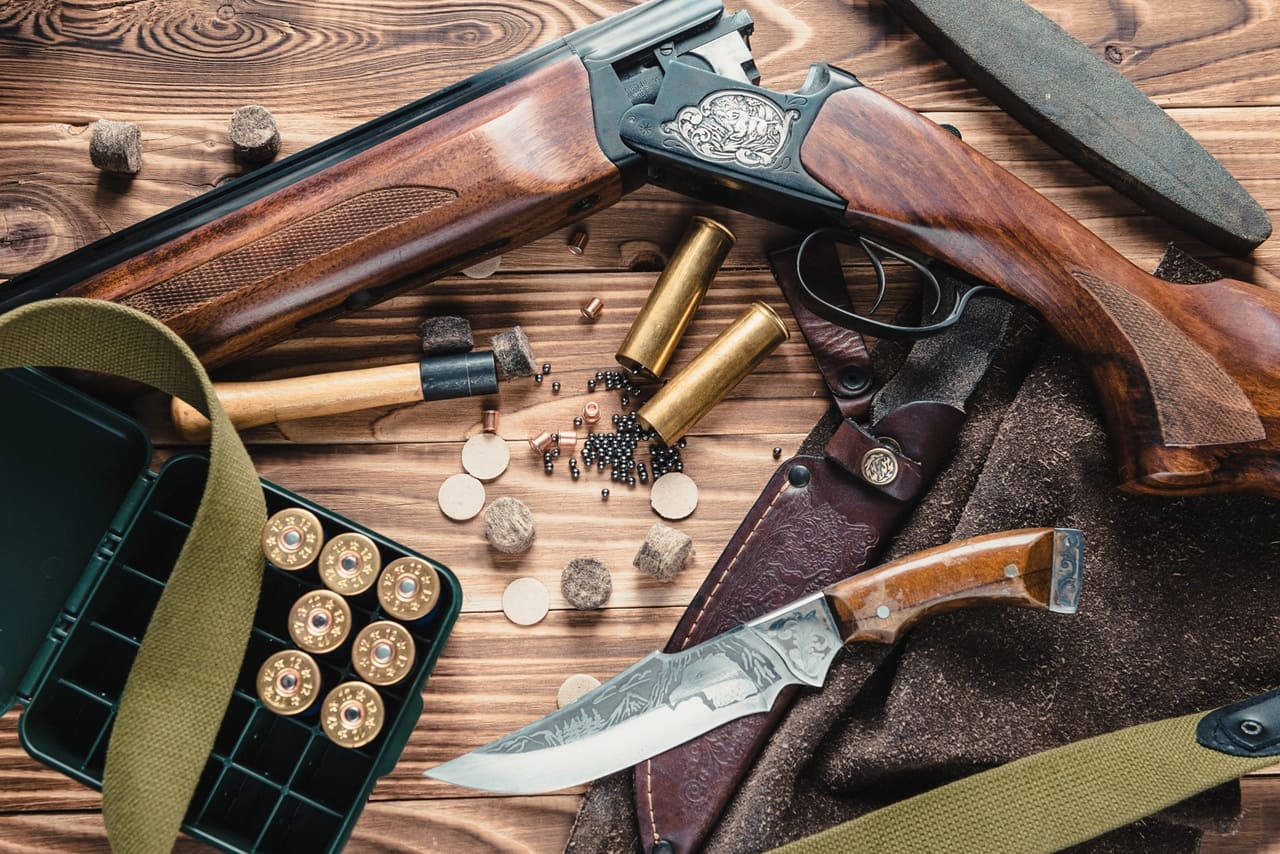
The reason: they found excessively high lead concentrations in the meat. The heavy metal is contained in the ammunition used to kill the animals, and the levels were up to 110 times the permitted maximum value. The Spanish food safety authority launched an investigation, according to a Spanish newspaper.
As early as 2022 Germany, Austria, Czechoslovakia, etc. detected very high lead concentrations in salamis made from ingredients supplied by hobby hunters from Spain.
Lead accumulates in tissue
Lead is a heavy metal that accumulates in our tissues and impairs the neurological development of children. In adults, it causes cardiovascular diseases and kidney problems, among other things. The effect is cumulative. One might therefore assume that low exposure causes no harm, but lead already enters the environment through other pathways.
An expert and co-author of a study published in 2019 entitled Toxic Risks of Lead Ammunition and its Alternatives in Hunting Activity states that «every type of lead ammunition shatters upon impact of the projectile, resulting in the dispersal of lead throughout the tissue of the killed animal.» The document warns of certain risks: «It is assumed that these fragments can be removed from the carcass of the killed animal and thus disposed of.» However, this would only apply to relatively large fragments that can be detected. The reality, however, is different, as it has been shown that lead fragments in the form of small microscopic particles (sometimes nanoparticles) are distributed throughout the tissue; «Complete removal from the carcass is not possible.»
90% of game meat intended for export
Following the findings in Italy and Portugal, the Asociación Interprofesional de la Carne de Caza defends its position. «In the processing rooms we use metal detectors and all meat is inspected according to strict criteria.» According to the association, lead contamination may also originate from the animals’ surroundings, for example where old mines or deposits are located.
Spain is not a major consumer of game meat, even though a great deal of hunting takes place there. 90% of game is destined for export. In the years 2017–18, approximately 650’000 animals were killed, representing a market value of over 57 million euros. Among these were 355’000 wild boar and 182’000 roe deer.
According to a study, three out of four Spaniards do not eat game meat. Data drawn from the study indicates that the main obstacle to consuming game meat is taste, at 42.3%, followed by the difficulty in accessing this type of meat (22.8%), and the rejection ofhobby hunting for personal reasons (12.3%) and a lack of habit of consuming this type of product (9.3%).
Added value:
- Game meat: Natural, healthy – or dangerous?
- Game meat from hobby hunters? – Carrion on the plate!
- Studies indicate health risks in the context of consuming game meat
- Nutrition: The civilised palate
- Game meat from hunters is carrion
- Game meat cannot be organic
- Meat from wild animals is not organic game
- Dementia: How harmful is game meat?
- Game meat makes you ill
- Lead residues in game meat products
- Game meat: Risks, lead and hunting myths
- Warning: Caution regarding game meat from hobby hunters
- Hunters lie when selling meat too