Denmark builds fence against wild boar at the border
The fence is reportedly set to be completed by November at the latest, at which point the entire border between Denmark and Germany — approximately 70 kilometres long — would be covered.

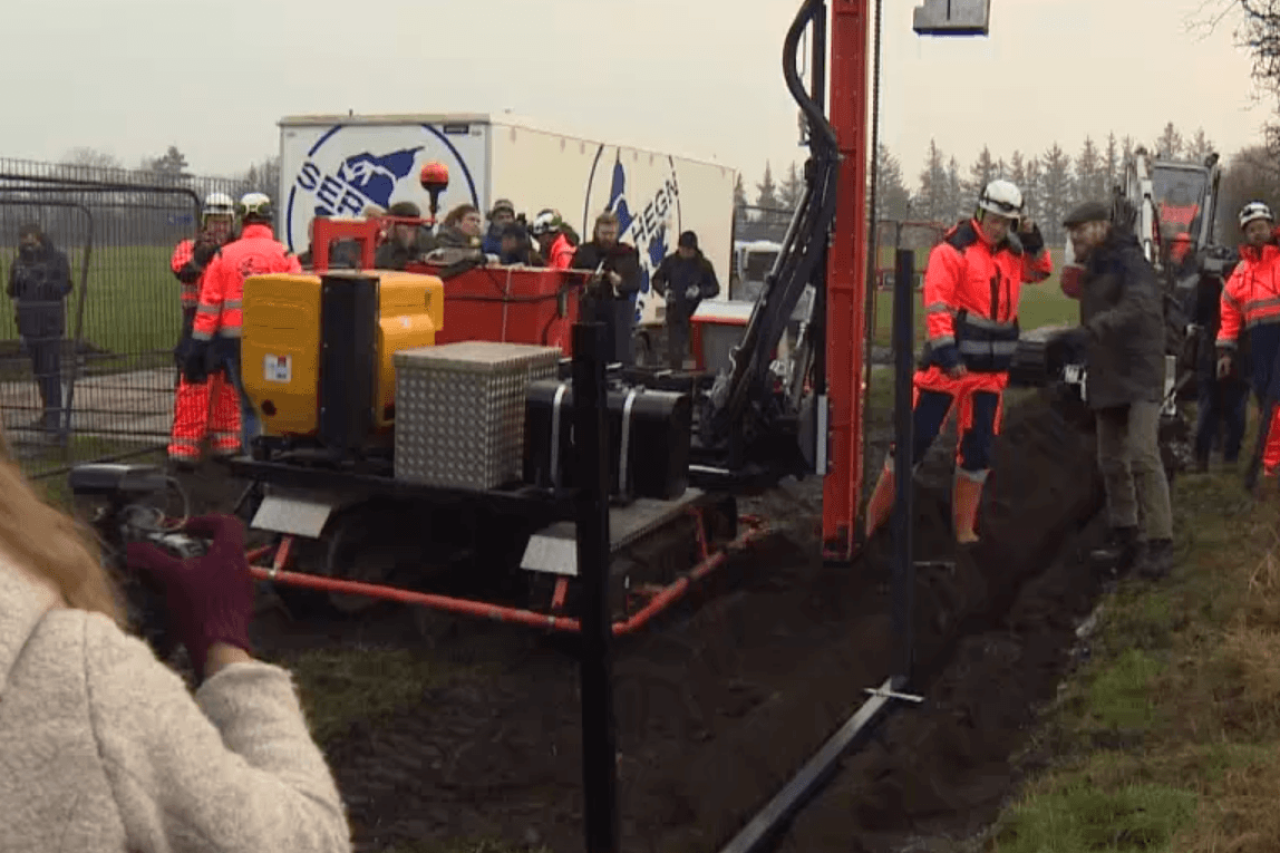
Denmark began construction of its controversial wild boar fence along the border with Germany on Monday. Accompanied by significant media interest, workers drove the first posts into the ground near Padborg.
Sturdy steel mesh fence sections 1.50 metres high were attached to the posts. Since wild boar are capable diggers, the fence also extends an additional half metre into the ground, said Bent Rasmussen, head of the Danish Nature Agency, at the construction site. The height of 1.50 metres had been deemed sufficient by experts to prevent wild boar from jumping over the fence under normal circumstances.
Rasmussen assured that hikers and other cross-border travellers would not be impeded by the fence. In addition to the 20 permanent official Schengen border crossings for roads, rail, and waterways, there would also be gates as well as special crossing points at smaller tracks and paths. At least every kilometre, there would be an opportunity to pass through the non-electrified fence.
Due to swine fever
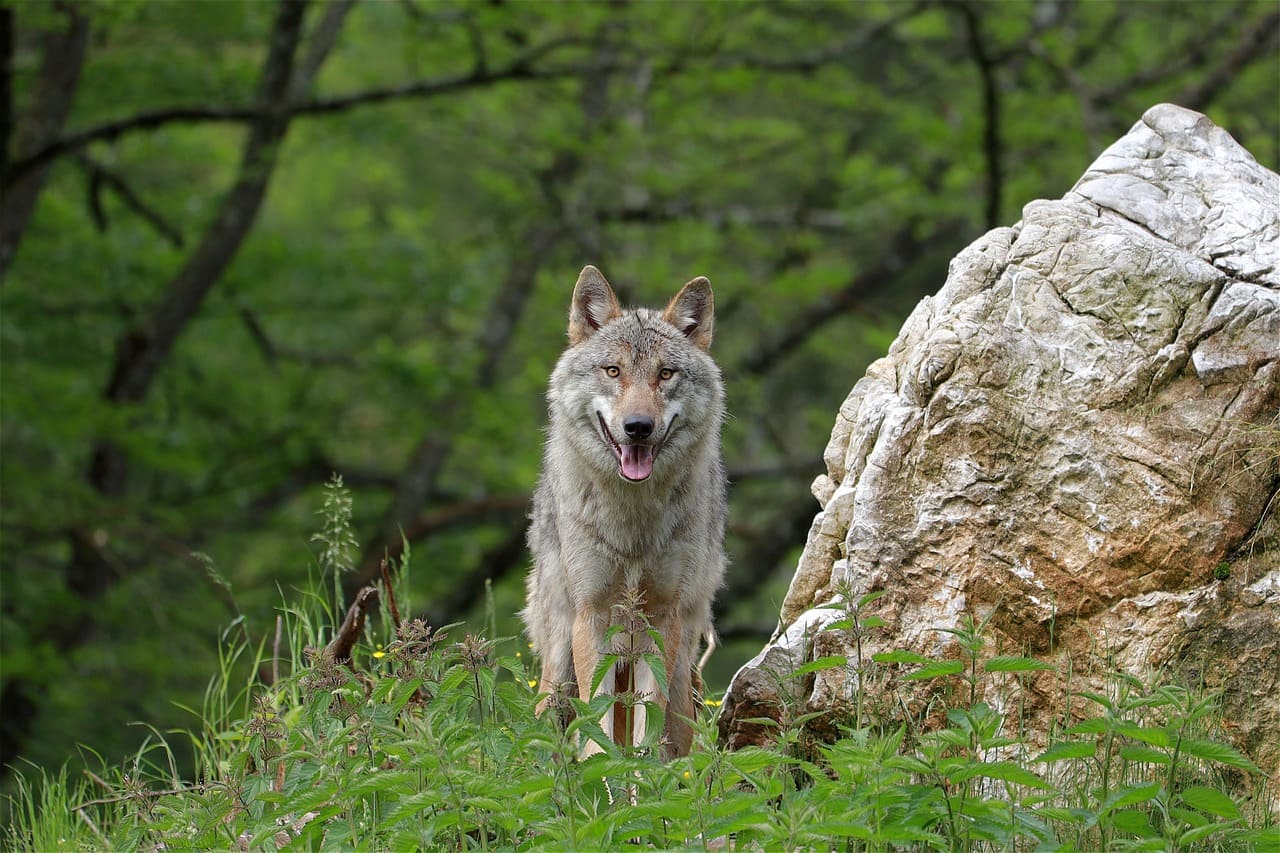
The Danes intend to use the fence to prevent German wild boar from entering Denmark and potentially spreading African Swine Fever (ASF) throughout the country. So far, there is no confirmed evidence of the pathogen in Germany. The Danish government aims to use the construction project primarily to protect the country's pig farming industry, which is of enormous economic importance.
While Danish politicians welcomed the start of fence construction as an important element in the fight against the animal disease, fresh criticism came from Schleswig-Holstein: the fence was not an appropriate measure against African Swine Fever, but rather a devastating signal for the European integration process.
Death traps for wildlife
The most immediate effect of such fences on wildlife is that animals can become entangled in them and perish. In the long term, however, the fragmentation of habitats is a serious problem, as wildlife populations can no longer intermingle, leading to a decline in genetic diversity. Restrictions on freedom of movement threaten not only individual animals, but also endangered species.
More on the subject of recreational hunting: In our dossiers on recreational hunting gather fact-checks, analyses and background reports. The scientific evidence is presented in the overview Studies on the Effects of Recreational Hunting.
The position of IG Wild beim Wild: IG Wild beim Wild rejects recreational hunting. Our model is the canton of Geneva, which has managed without recreational hunting since 1974: without hunting seasons, without hunting dogs, without driven hunts, without high seats, without the animal cruelty and crime that go hand in hand with hunting season elsewhere. What has worked there for over fifty years disproves every position paper by JagdSchweiz. An association that bases its policy on claims it refutes in its own documents is not a professional organisation, but a factory for misinformation.