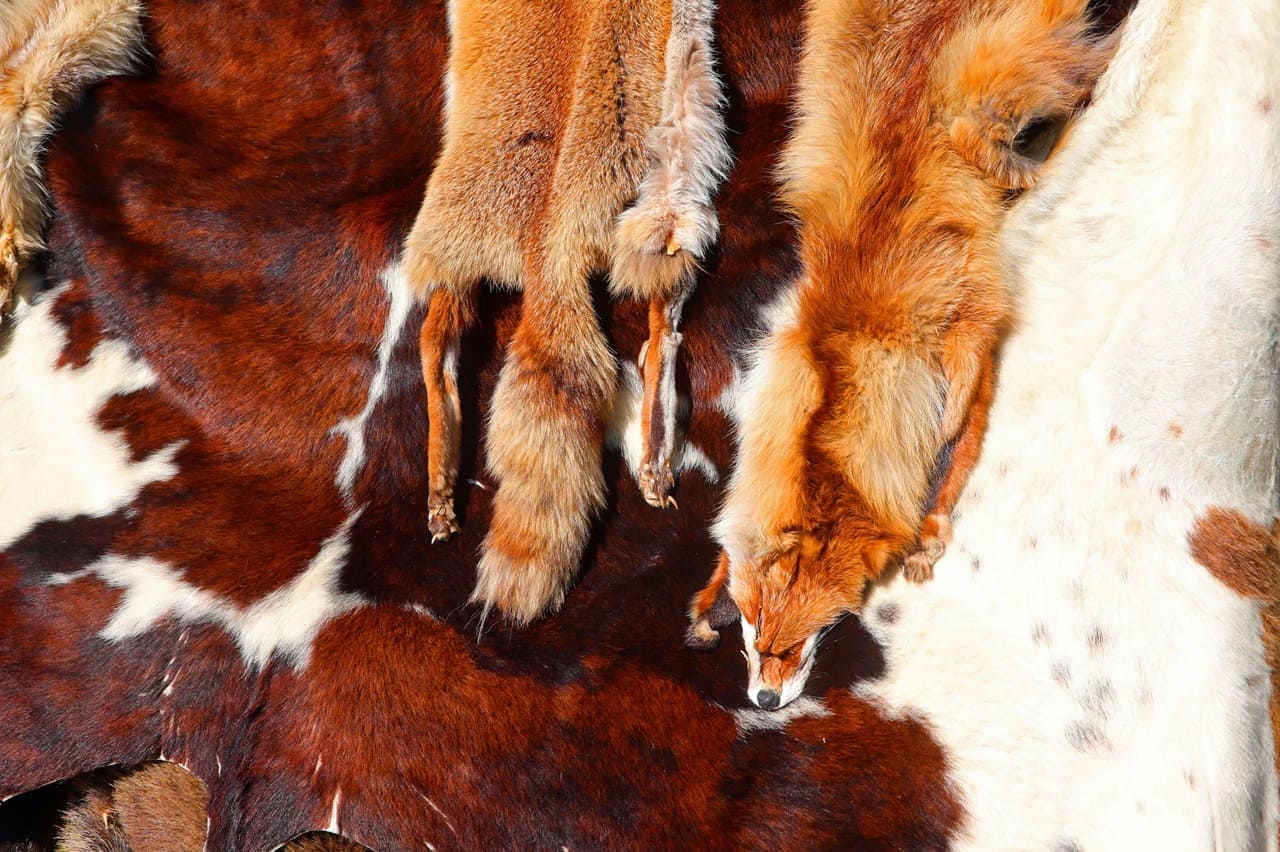
China: Hunting, trade and consumption of wild animals banned
In response to the outbreak of the new coronavirus in China, the Standing Committee of the National People’s Congress has imposed a comprehensive ban on the trade and consumption of wild animals. The decision by the parliamentary body follows a similar regulatory ban already issued by market supervisory authorities at the end of January. The decree also extends to wild animals that are bred or kept in


In response to the outbreak of the new coronavirus in China, the Standing Committee of the National People’s Congress has imposed a comprehensive ban on the trade and consumption of wild animals.
The decision of the parliamentary body follows a similar regulatory ban already issued by market supervisory authorities at the end of January. The decree also extends to wild animals that are bred or kept in captivity.
Hunting, trade and transport for consumption are thereby prohibited. Any violation is to be severely punished. The use of wild animals in scientific research or for medical purposes is also to be strictly regulated and requires official approval. The Standing Committee of the National People’s Congress, which makes decisions between the annual plenary sessions of the National People’s Congress, also called for strengthened oversight.
It is considered largely established that the coronavirus circulates among bats, which are consumed by some Chinese people. However, the question of which animal may have served as an intermediate host through which the novel virus jumped to humans has not yet been answered. There is a theory that it could have been a protected scaly animal — known in English as a “pangolin” — which is regarded as a delicacy by some Chinese people.
Like the virus behind the Severe Acute Respiratory Syndrome (SARS) pandemic of 2002/2003, the new virus known as SARS-CoV-2 also originates from bats. It is suspected that it was transmitted via another animal acting as an intermediate host. Many of the first infection cases in December were traced back to the Huanan market in Wuhan, a major city in central China that has since been severely affected, where wild animals were also sold for consumption.
The virus has so far only been detected in humans. From the beginning of the epidemic, experts suspected that another mammal or poultry could serve as the primary host. However, the transmission from animal to human may have occurred via an as yet unidentified intermediate host. In this context, Chinese researchers pointed in the Journal of Medical Virology to snakes such as the Many-banded Krait (Bungarus multicinctus) and the Chinese Cobra, which are offered at the wholesale market alongside other live wild animals (so-called “Ye Wei”) such as bats and rabbits. This hypothesis was deemed unlikely by other virologists, as there is currently no evidence that coronaviruses can also infect reptiles. To date, coronaviruses have only been found in mammals and birds. After a coronavirus with a high degree of genetic similarity to SARS-CoV-2 was found in Malayan pangolins, these animals have increasingly come under suspicion of being the origin of the new epidemic, especially since they are traded in China despite being banned.
How is the virus transmitted?
Like the SARS virus, the coronavirus is transmitted via droplet infection, which means that coughing and sneezing patients pose a high risk of contagion. According to the WHO, the incubation period (the time between infection and the onset of the disease) is two days to one week.
What are the symptoms?
Fever, headaches, sore throat, respiratory problems such as shortness of breath, pneumonia.
With PETA’s free Vegan Starter Programme switching to a purely plant-based diet is easy.
More on the subject of recreational hunting: In our dossiers on the criticism of recreational hunting gather fact-checks, analyses and background reports. What the research says about this is shown by Hunting fact-checked: the state of research.
The position of IG Wild beim Wild: IG Wild beim Wild rejects recreational hunting. Our model is the canton of Geneva, which has managed without recreational hunting since 1974: without hunting seasons, without hunting dogs, without driven hunts, without high seats, without the animal cruelty and crime that go hand in hand with hunting season elsewhere. What has worked there for over fifty years disproves every position paper by JagdSchweiz. An association that bases its policy on claims it refutes in its own documents is not a professional organisation, but a factory for misinformation.