Bern Convention examines challenge to badger culling
The case was placed on “standby” by the Bern Convention in 2020 with a request for further information.

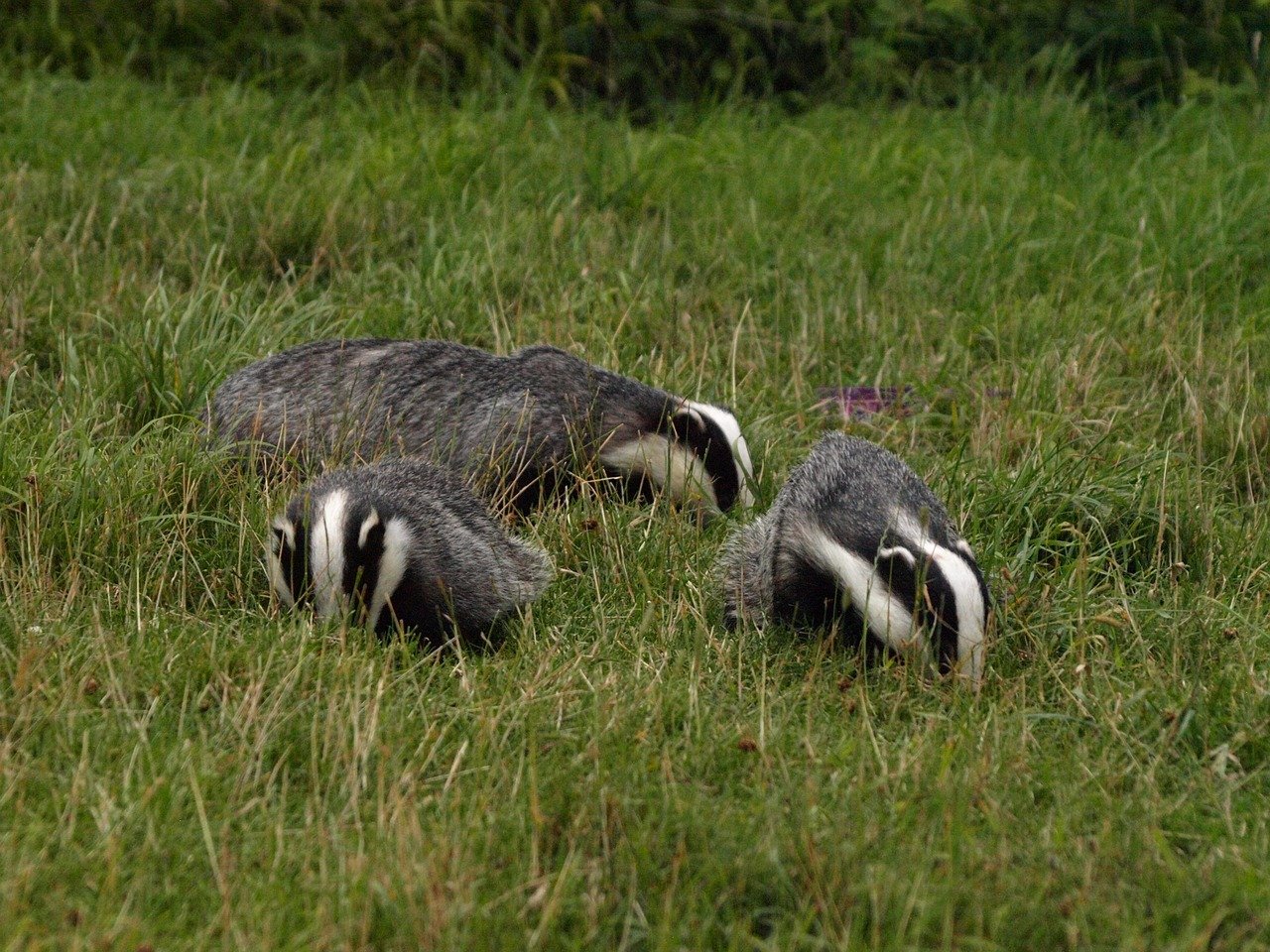
The complaint alleges that the British government is violating international wildlife agreements by failing to take into account the impact of culling on the badger population.
Over 140,000 badgers killed since 2013
Great Britain is home to more than 25% of the European badger population. However, with more than 140,000 badgers killed under licence since the culling policy began in 2013, and the British government’s recently confirmed plans to continue culling until 2025, this population is coming under severe pressure.
This week (15 and 16 September), the Bureau of the Bern Convention is examining a complaint by a coalition of animal welfare groups against the British government for violation of an international agreement on wild fauna and flora.
While we are grateful that our complaint is finally being examined, two years have already passed since we first filed our complaint in 2019. During that time, a further 76,000 badgers have been killed under this failed approach to controlling bovine tuberculosis. We are hopeful for a positive outcome from the Bern Convention and a better future for British badgers.
Adam Laidlaw, Executive Director of Badger Trust
Up to 75,930 badgers could be killed in 2021
These deliberations come just one week after the British government announced that the badger cull is to be expanded in 2021. There are now 61 areas with active culling licences. Up to 75,930 badgers could be killed in 2021, bringing the total since culling began to well over 200,000.
The fact that the British government continues to issue new licences for the culling of badgers not only exposes the claims of British ministers to champion animal welfare but also reveals a bewildering degree of cognitive dissonance.
Reineke Hameleers, CEO of Eurogroup for Animals
We call on the Bern Convention to take measures that help bring a permanent end to this inhumane, ineffective, unscientific and unnecessary slaughter of a native, protected wild animal.
Dr. Mark Jones, veterinarian and Head of Policy at the Born Free Foundation
More on the subject of recreational hunting: In our dossiers on the criticism of recreational hunting gather fact-checks, analyses and background reports. What the research says about this is shown by Hunting fact-checked: the state of research.
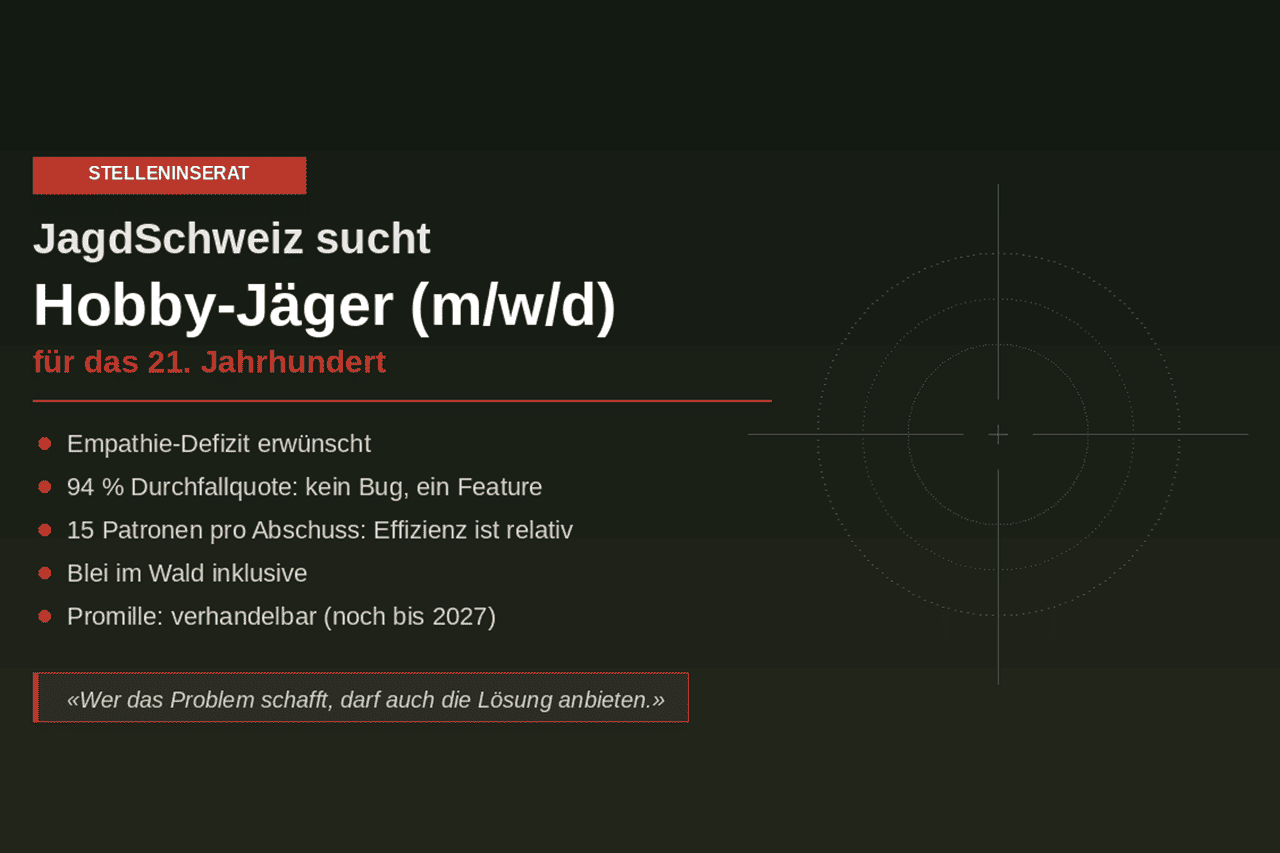
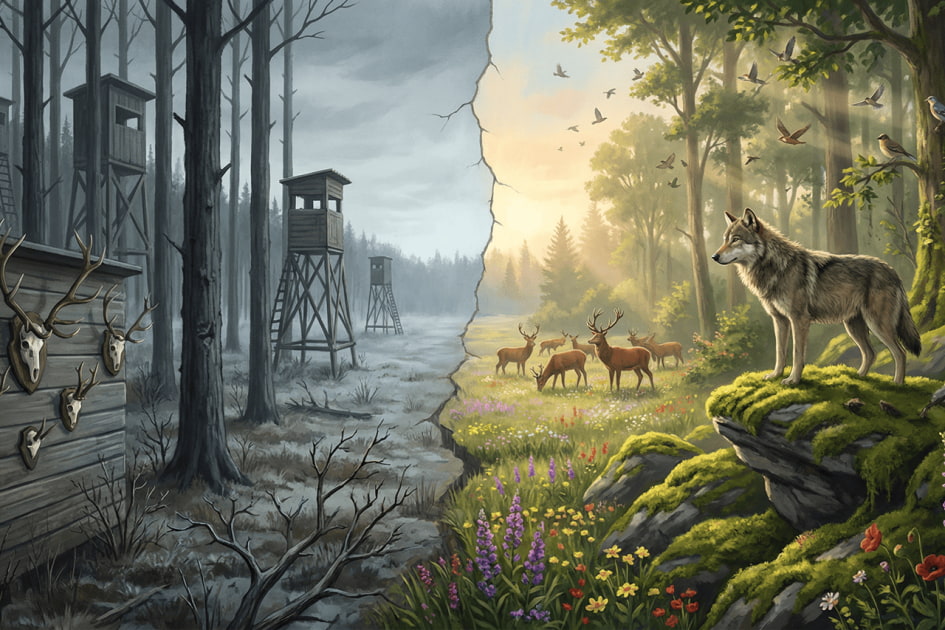
The position of IG Wild beim Wild: IG Wild beim Wild rejects recreational hunting. Our model is the canton of Geneva, which has managed without recreational hunting since 1974: without hunting seasons, without hunting dogs, without driven hunts, without high seats, without the animal cruelty and crime that go hand in hand with hunting season elsewhere. What has worked there for over fifty years disproves every position paper by JagdSchweiz. An association that bases its policy on claims it refutes in its own documents is not a professional organisation, but a factory for misinformation.