Biodiversity areas for drinking water eliminated
IP Suisse and Bio Suisse, which represent 50% of our farmers, would have welcomed biodiversity areas covering 3.5% of arable land — areas promised to the public in lieu of the drinking water initiative and pesticide initiative to achieve "reduced risk in the use of plant protection products" and thereby ensure "clean water".

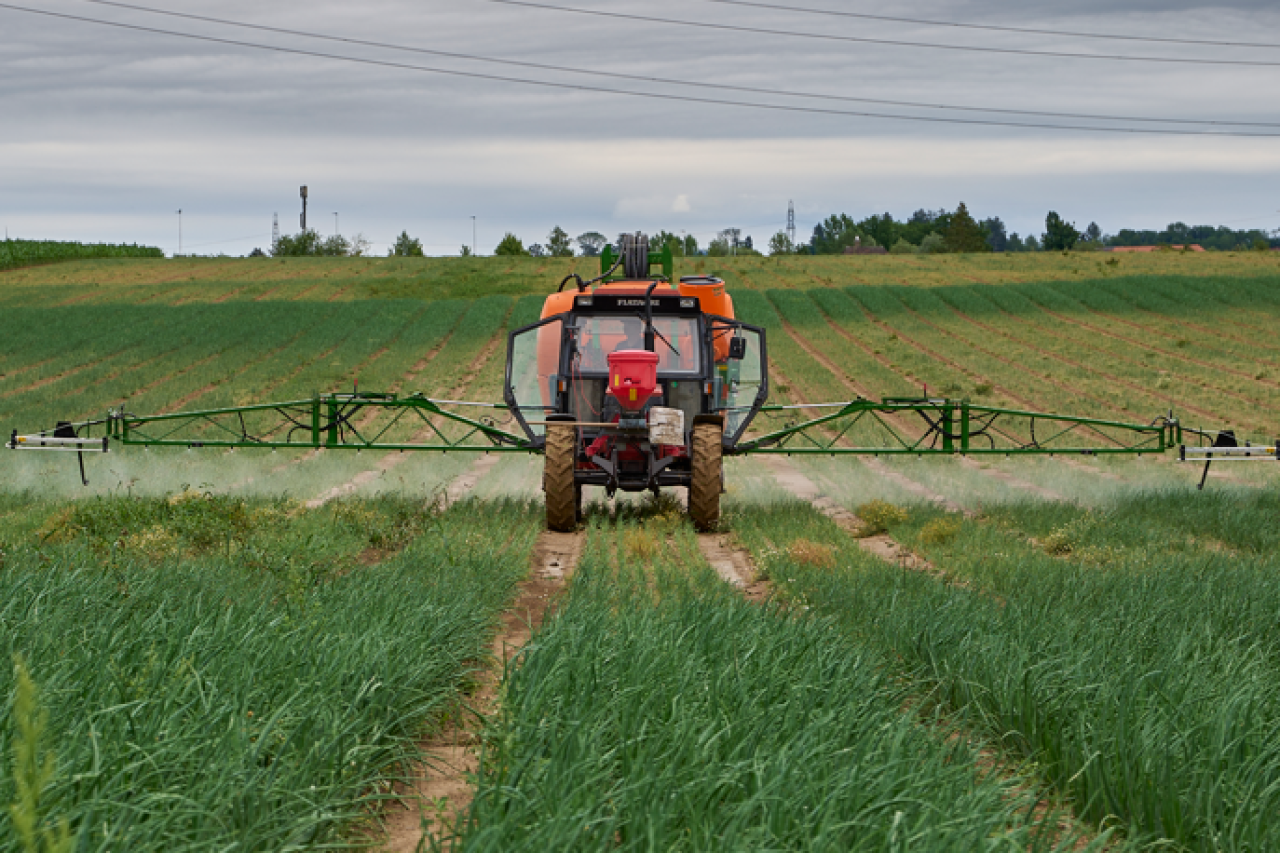
These biodiversity promotion areas were eliminated following the adoption of Motion 22.3819 by National Councillor Jean-Pierre Grin.
A serious setback for a secure, forward-looking food supply and drinking water supply in Switzerland.
Farmers depend on expertise and support to learn how they can replace pesticides through greater biodiversity above and below the soil. Rapeseed cultivation is one example. It relies on “unimaginably toxic insecticides” that will soon be banned.
In rapeseed fields, mixed cropping is now being promoted to increase biodiversity and thus foster natural plant protection as a replacement for pesticides. “Using undersown crops in the field consisting of clover and other plants such as lentils, buckwheat or grass peas, as well as rapeseed strips along field edges, pests can be driven away from the rapeseed and beneficial insects specifically attracted,”the NZZ describes, how mixed cropping is intended to replace the “unimaginably toxic insecticides” used in rapeseed cultivation.
Mixed cropping also ensures more reliable and higher yields. Where vast, monotonously planted fields predominate, the diversity and abundance of beneficial organisms are significantly reduced — and this ultimately has a negative impact on agricultural yields as well, writes Agroscope.
Between 2005 and 2023, 209 previously approved active substances used in pesticides had to be withdrawn due to water pollution, health risks, and environmental damage.
Even though these pesticides are banned today, their residues remain in our drinking water. One million people in Switzerland consume water contaminated with pesticides above the legal limit.
Once groundwater — the source of 80% of our drinking water — becomes contaminated, its renewal takes years or even decades.
With our people's initiative «For safe food – through strengthening sustainable domestic production, more plant-based foods and clean drinking water», we also ensure that the foundations of agricultural production – biodiversity and soil fertility – are safeguarded.
These «free services of nature» enable natural plant protection, thereby replacing pesticides, ensuring higher and more reliable agricultural yields and clean drinking water. Today they are being destroyed by pesticides, excessive liquid manure and toxic nitrogen-containing ammonia gas from livestock farming.
Please support the initiative «For safe food», the strong voice of the people!
| You can help all animals and our planet with compassion. Choose empathy on your plate and in your glass. Go vegan. |
More on the subject of recreational hunting: The scientific evidence is presented in the overview Studies on the Effects of Recreational Hunting.
The position of IG Wild beim Wild: IG Wild beim Wild rejects recreational hunting. Our model is the canton of Geneva, which has managed without recreational hunting since 1974: without hunting seasons, without hunting dogs, without driven hunts, without high seats, without the animal cruelty and crime that go hand in hand with hunting season elsewhere. What has worked there for over fifty years disproves every position paper by JagdSchweiz. An association that bases its policy on claims it refutes in its own documents is not a professional organisation, but a factory for misinformation.