Winegrowers use owls instead of pesticides
In the Napa Valley, winegrowers are increasingly relying on owls for pest control and forgoing toxic pesticides. A model success story.

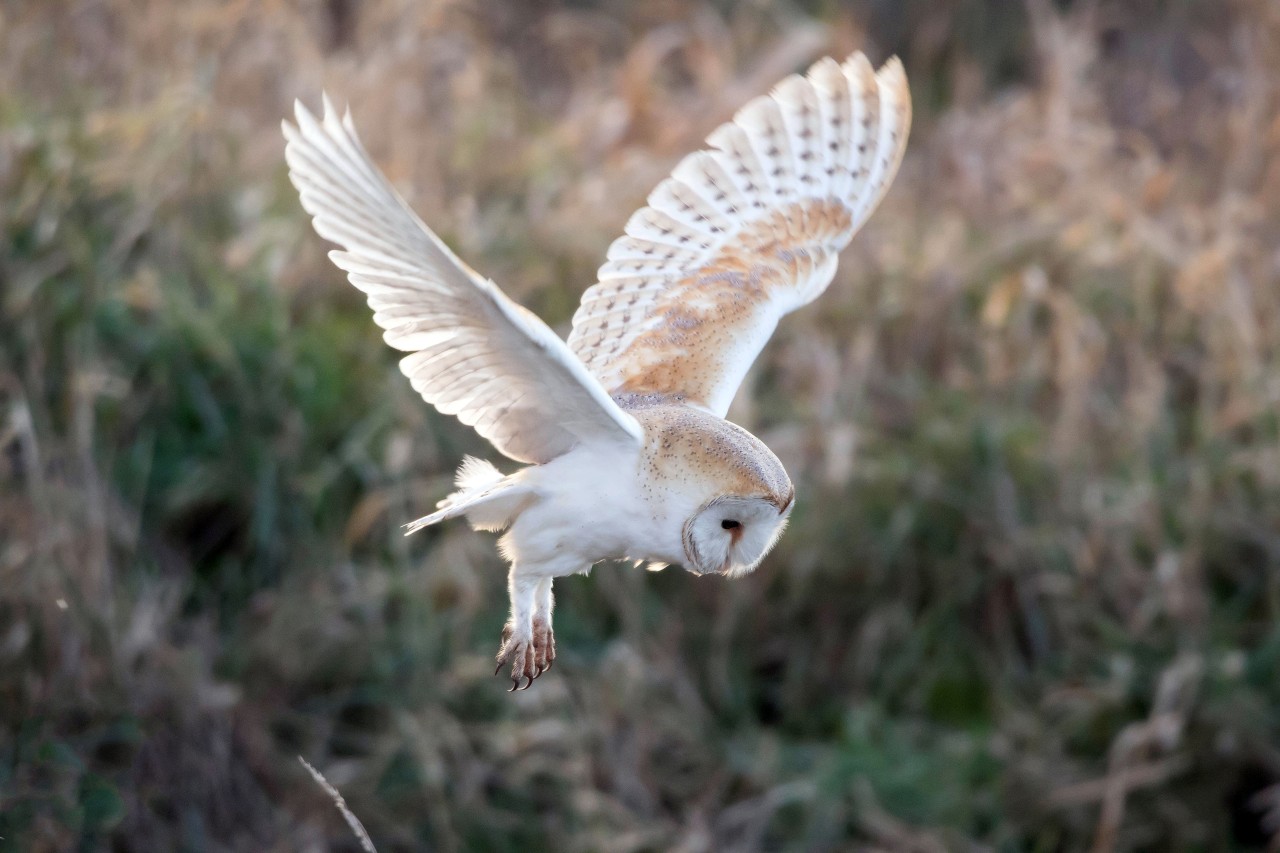
Winegrowers in the Napa Valley are increasingly turning to winged workers for pest control, dispensing with highly toxic pesticides that poison everything — including their wine.
Barn owls as natural pest controllers
Barn owls in particular, but also falcons and other birds of prey, are welcomed in California's vineyards because they can catch rats, hunt voles, and devour ground squirrels.
For years, winegrowers in California used highly toxic rodenticides, a type of poison used to kill mice and voles. The poison was an industry standard until the 1980s, when birds of prey, traps, and other holistic methods grew increasingly popular.
According to the non-profit organisation Napa Green, the trend towards chemical-free farming is reflected across the state in the tripling of organic wine grape acreage since 2005.
One of the most efficient pest controllers in the world is the barn owl, which is found on 6 of our 7 continents and can catch up to 3,400 rodents per year.
Over 300 nest boxes in the Napa Valley
Matt Johnson, Professor of Wildlife at Humboldt State University, launched a programme years ago to study pest control by birds of prey in vineyards. One of his surveys found that four-fifths of 75 California winegrowers deliberately invite owls onto their property by building nest boxes.
««We work primarily in the Napa Valley, where there are over 300 barn owl nest boxes», Johnson wrote on his department's website.
««You can literally place a barn owl nest box right where you think you have a problem with small mammals, and voilà! The owls start using that area», said John C. Robinson, a local ornithologist, to Bay Nature Magazine.
Cheaper than pesticides and traps
The incentives are there, as using owls is significantly more cost-effective than trap hunting: 26 cents per rodent compared to $8.11. It also helps a beautiful group of species to thrive.
In Ventura County, at nearly a hundred levees and dams, birds, including falcons and owls, are deployed instead of rodenticides. The Ventura County Watershed Protection Department reports cost savings of $216,000 per channel mile compared to traps.
The owls help vintners keep costs low and their wine “green” — a delicious and worthy outcome that reflects the majesty of the famous valley and its vineyards.
More on the subject of recreational hunting: In the dossier The Role and Criticism of Recreational Hunters we shed light on the training, power and self-image of recreational hunters. What the research says about this is shown by Hunting fact-checked: the state of research.
The position of IG Wild beim Wild: IG Wild beim Wild rejects recreational hunting. Our model is the canton of Geneva, which has managed without recreational hunting since 1974: without hunting seasons, without hunting dogs, without driven hunts, without high seats, without the animal cruelty and crime that go hand in hand with hunting season elsewhere. What has worked there for over fifty years disproves every position paper by JagdSchweiz. An association that bases its policy on claims it refutes in its own documents is not a professional organisation, but a factory for misinformation.