Bern Convention demands ban on otter hunting
A milestone victory for species protection: On the initiative of Tierschutz Austria, the Bern Convention – an international agreement for the protection of European wildlife and their habitats – has once again reviewed the controversial otter hunting in Carinthia.


The body issues pointed criticism of the Carinthian otter regulation in an official letter and demands an immediate ban on the lethal Conibear traps used by recreational hunters.
In doing so, it strengthens the protected status of the strictly protected wildlife and clearly calls the existing practice into question.
The starting point was a complaint filed by Tierschutz Austria in 2022, challenging the systematic killing of otters. Should Carinthia continue to fail to present ecologically and legally defensible alternatives to killing, Austria faces infringement proceedings under the Convention.
The Standing Committee of the Bern Convention criticises Carinthia for its assertions regarding the conservation status of otters in Carinthia. In the Alpine region, where Carinthia is located, the conservation status of the otter is clearly unfavourable. The killing of otters in Carinthia could therefore jeopardise the survival of the species and should consequently be prohibited.
The Standing Committee of the Bern Convention further calls on Carinthia to ban the use of Conibear traps or other non-selective means year-round and – where truly necessary – to first consider other satisfactory solutions, such as deterrence and the protection of ponds.
This success demonstrates that those who persistently advocate for species protection can make a difference – even in the face of political resistance, says Michaela Lehner, Head of the Legal Affairs unit at Tierschutz Austria.An expert opinion we commissioned confirms that Conibear traps kill indiscriminately and cruelly – they must be banned once and for all.
Leona Fux, biologist and species protection expert at Tierschutz Austria, also urges ecological reason: "Otters are strictly protected and play a central role in our waterways. Austria should be celebrating their return – yet in Carinthia they are being relentlessly persecuted without any scientifically sound basis. This must stop."
Tierschutz Austria points to Burgenland as a positive example: there, otter killings are avoided because advisory services and prevention measures work with the support of the regional government. “Carinthia has much to learn from this,” says Fux.
“The decision of the Bern Convention is a strong signal for otter protection – and a clear rejection of the arbitrary political hunting of strictly protected species”
, adds Lehner. “Now it is up to Carinthia to take responsibility.”
One thing is clear: in the Alpine region, where Carinthia is located, the conservation status of the otter is not favourable. Therefore, the killing of otters in Carinthia could endanger the survival of the species and should accordingly be prohibited.
Tierschutz Austria calls on the public to make their voice heard against otter hunting by signing the petition:
🔗 Petition against otter hunting: www.tierschutz-austria.at/fischotter
🔗 Bern Convention response in full: www.tierschutz-austria.at/bernerkonvention
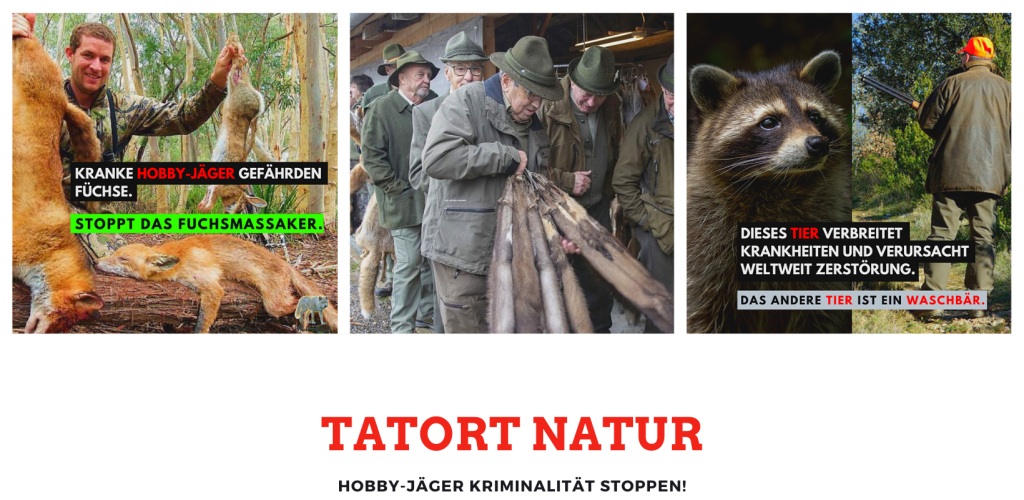
More on the subject of recreational hunting: In our dossiers on recreational hunting gather fact-checks, analyses and background reports. What the research says about this is shown by Hunting fact-checked: the state of research.
The position of IG Wild beim Wild: IG Wild beim Wild rejects recreational hunting. Our model is the canton of Geneva, which has managed without recreational hunting since 1974: without hunting seasons, without hunting dogs, without driven hunts, without high seats, without the animal cruelty and crime that go hand in hand with hunting season elsewhere. What has worked there for over fifty years disproves every position paper by JagdSchweiz. An association that bases its policy on claims it refutes in its own documents is not a professional organisation, but a factory for misinformation.