Ukraine: Bear poaching in the Carpathian Biosphere Reserve
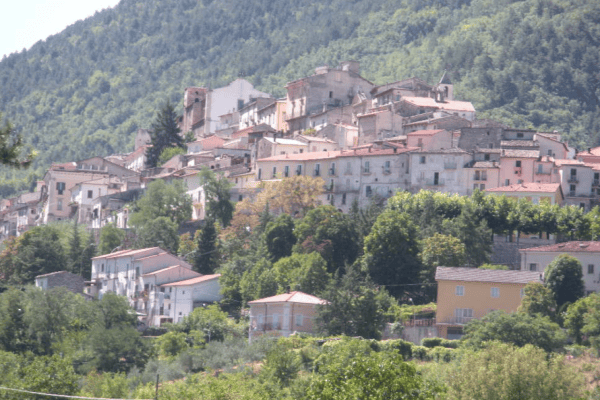
The biosphere reserve in the Carpathians (Ukraine) is internationally renowned for its primeval beech forest. It is part of the UNESCO World Heritage and was recently awarded the European Wilderness Quality Standard certificate. According to a report by the European Wilderness Society, five large wilderness areas belong to the Carpathian Biosphere Reserve, two of which have already successfully passed a “wilderness audit”. The three other promising
Poaching Carpathians
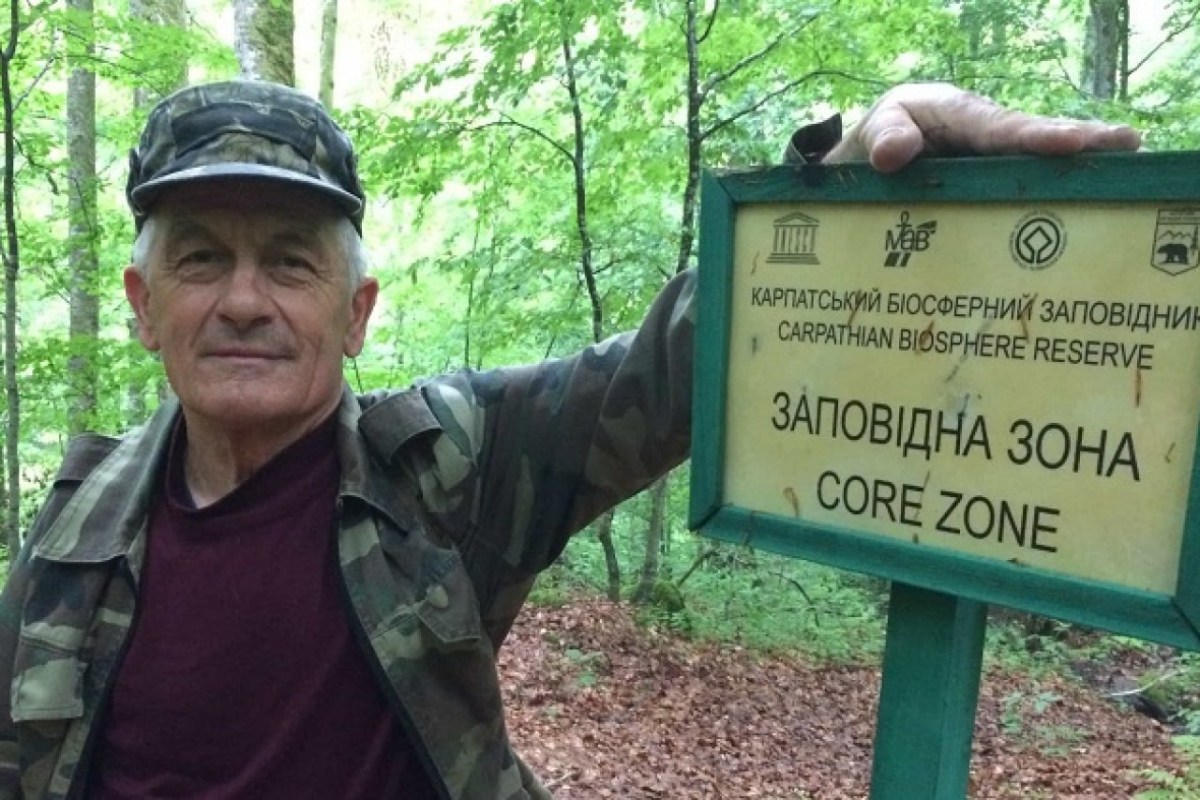
The biosphere reserve in the Carpathians (Ukraine) is internationally renowned for its primeval beech forest. It is part of the UNESCO World Heritage and was recently awarded the European Wilderness Quality Standard certificate.
According to a report by the European Wilderness Society, five large wilderness areas belong to the Carpathian Biosphere Reserve, two of which have already successfully passed a “wilderness audit”. The three other promising areas are the Svydovets, the Chornohora and the Maramorosh wilderness areas.
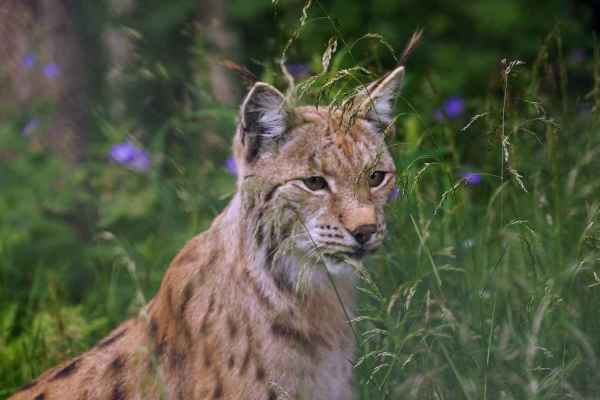
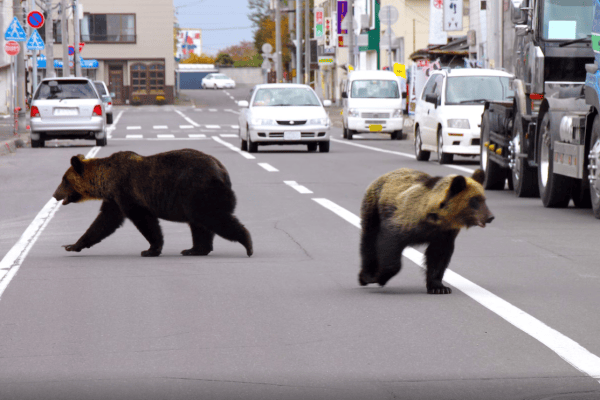
The areas are very remote and undeveloped and therefore the perfect environment for native Predators such as wolves, lynx or brown bears. It has now emerged that cases of poaching have occurred, which are currently being investigated.


Poaching: a widespread phenomenon in Europe
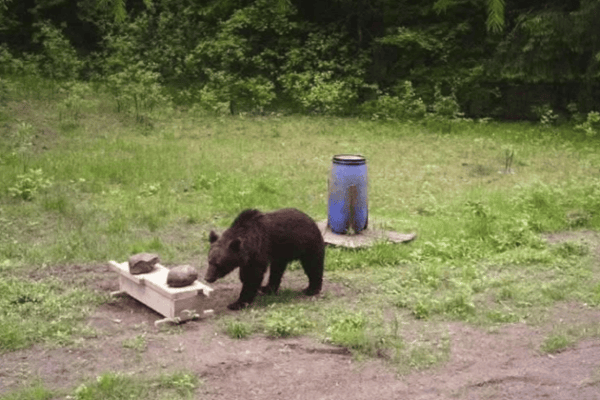
Even though rangers and public authorities take measures to protect such reserves, Poaching is an accompanying phenomenon of all remote nature reserves. Recently, for example, a Danish recreational hunter shot a wolf in Germany, a poaching case involving a lynx is currently being investigated in southern Germany, and in the case covered by this article a brown bear – the emblem of the Carpathian Biosphere Reserve – was poached.

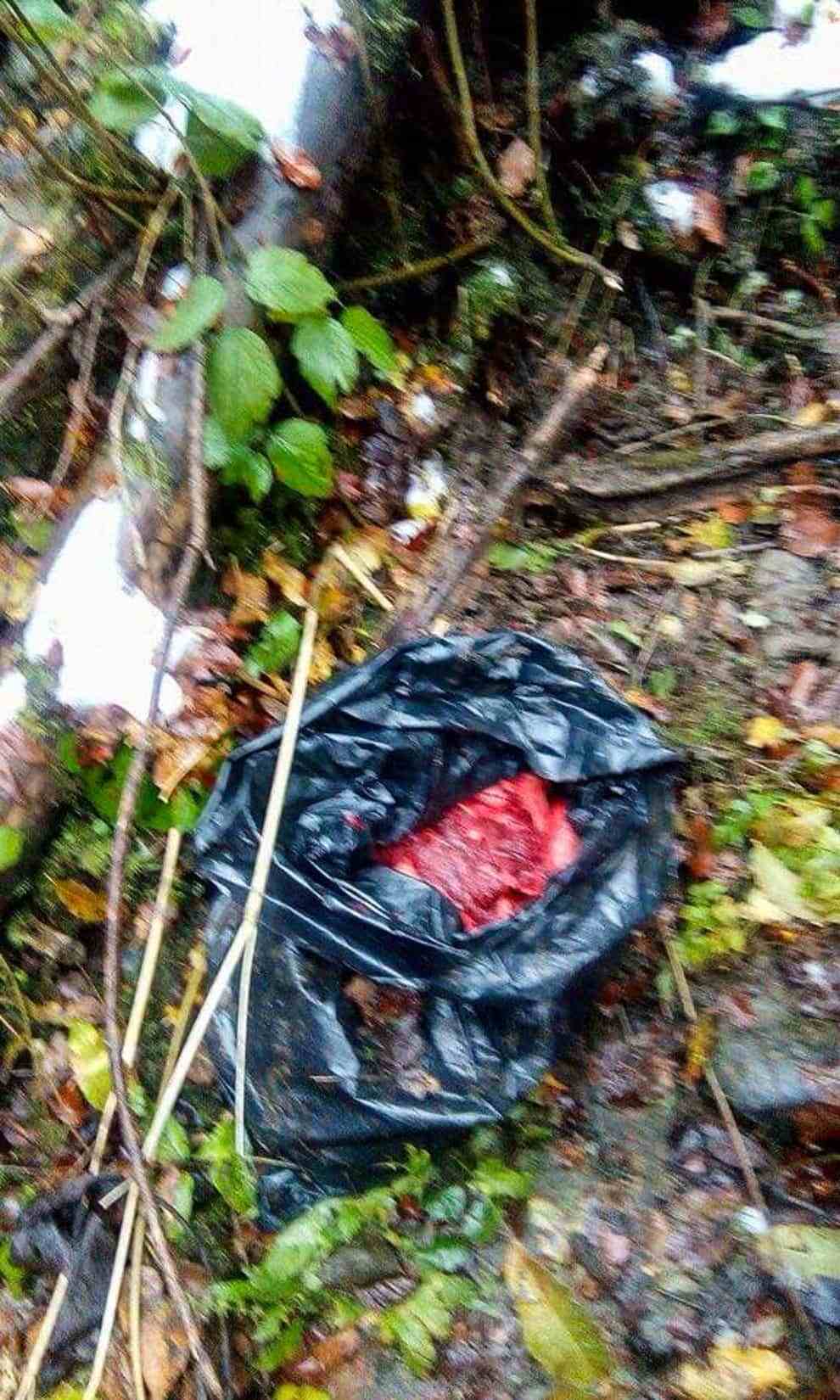
Mykola Rybak, director of the biosphere reserve, provided information about Facebook, that there have been signs of poaching in the reserve since 3 November. Finds of red deer and brown bear meat point to this. The biosphere reserve has since announced immediate investigations and set up an inspection commission made up of staff from the nature conservation authority and the local police.
Immediate response from the biosphere reserve
The director addressed the poaching directly and openly, regardless of the possibility that local residents might be involved. This swift action by the reserve is an excellent approach and deserves international recognition.
Do you have a tip, a source or a correction for this article? Write to us.
Seen something yourself?
A driven hunt next to a hiking trail, a shot fired near houses, a trap in the forest or an injured wild animal: report it to the Recreational Hunter Radar. We check every tip-off and treat your details confidentially.
More on the subject of recreational hunting: In the dossier Poaching and hunting crime in Switzerland we document cases, legal questions and recurring patterns. What the research says about this is shown by Hunting fact-checked: the state of research.
The position of IG Wild beim Wild: IG Wild beim Wild rejects recreational hunting. Our model is the canton of Geneva, which has managed without recreational hunting since 1974: without hunting seasons, without hunting dogs, without driven hunts, without high seats, without the animal cruelty and crime that go hand in hand with hunting season elsewhere. What has worked there for over fifty years disproves every position paper by JagdSchweiz. An association that bases its policy on claims it refutes in its own documents is not a professional organisation, but a factory for misinformation.
Wild animals need a voice
Investigations, petitions and background on recreational hunting. As a thank-you, you will immediately receive our free guide «Recreational hunting on your doorstep: what you can do».
Support our work
With your donation you help protect animals and give their voice a hearing.
Donate now →