20 Years of Bears in Switzerland
Twenty years ago, on 25 July 2005, a bear was spotted in Switzerland for the first time in 101 years.

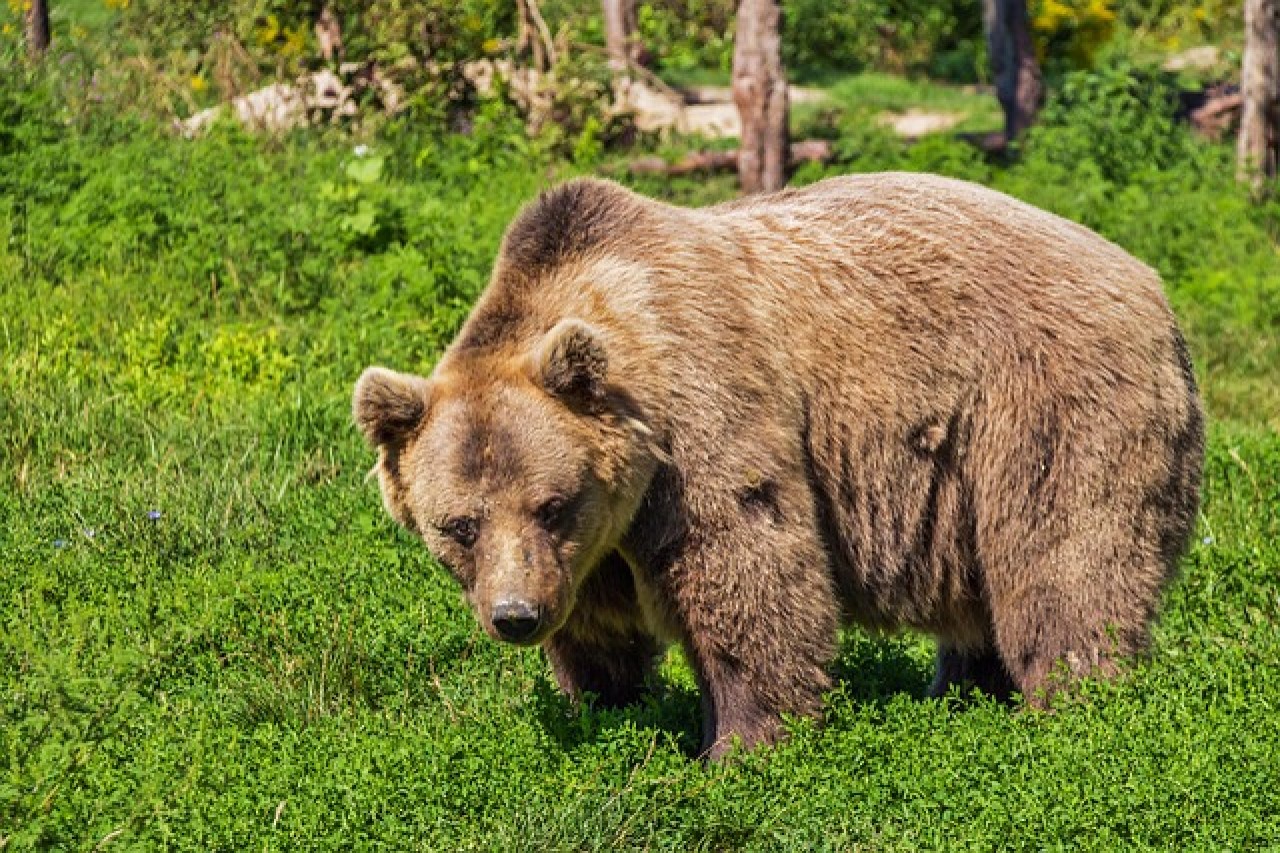
At the time, hikers initially reported having seen a bear near the Ofenpass.
This was followed on 28 July by photographic evidence. A sensation, for after the last bear was shot in Val S-charl in 1904, the brown bear had been considered extinct in Switzerland for a century.
22 bears have been present since then, but most of them stayed for only a few weeks or at most a few months.
The return of bears to Switzerland represents a remarkable success in landscape protection and conservation policy, and is a compelling story written over the past two decades.
Since their reintroduction, much has changed, both for the bears themselves and for the Swiss population.
All bears originated from the Italian Trentino and had migrated into the neighbouring canton of Graubünden. They were exclusively young males. Upon reaching sexual maturity, they each returned to the Trentino, where females are also present.
What remained in the memory of Switzerland above all were the two Graubünden problem bears JJ3 and M13. They were shot because they showed insufficient wariness, raided beehives and killed sheep. However, 90 percent of bears that have appeared in Switzerland to date behaved largely without incident. M29, for example, lived in the cantons of Bern and Uri from 2016 to 2020 without causing damage or approaching humans too closely.
Currently, as far as is known, only one bear lives in Switzerland. It appeared in the Lower Engadine in May, briefly wandered into Central Graubünden in June, and has since been in the Lower Engadine around the National Park again.
RECREATIONAL HUNTER RADAR
On the trail of concealed animal welfare offences, poaching and/or criminal activity? Report suspected cases to us! Help with the great recreational hunter radar.

More on the subject of recreational hunting: In our dossiers on recreational hunting gather fact-checks, analyses and background reports. What the research says about this is shown by Hunting fact-checked: the state of research.
The position of IG Wild beim Wild: IG Wild beim Wild rejects recreational hunting. Our model is the canton of Geneva, which has managed without recreational hunting since 1974: without hunting seasons, without hunting dogs, without driven hunts, without high seats, without the animal cruelty and crime that go hand in hand with hunting season elsewhere. What has worked there for over fifty years disproves every position paper by JagdSchweiz. An association that bases its policy on claims it refutes in its own documents is not a professional organisation, but a factory for misinformation.