Astronomical figures: Tens of thousands of wild animals delivered to private zoo
Zoo in India imports rarest species from around the world, including from Germany.


More than 35’000 wild animals have been imported in the last two years by two Indian facilities that are part of the zoo project of one of Asia's wealthiest families.
The wildlife conservation organisation Pro Wildlife has detailed customs data showing the scale and range of species involved. “Not only is the number of imported animals almost incomprehensible. They also represent the who’s who of endangered species, from orangutans to Spix’s macaws and Komodo dragons to the mountain gorilla,” explains Daniela Freyer of Pro Wildlife. Among the exporters are zoos, breeders and animal traders from around the world, including German facilities. The animal welfare problem here is of global proportions.
Vantara was officially inaugurated by Indian Prime Minister Narendra Modi on 4 March 2025. Vantara is dedicated to the rescue, treatment, care and rehabilitation of animals. The programme claims to have “rescued over 200 elephants and thousands of other animals, reptiles and birds from unsafe situations, including rhinoceroses, leopards and crocodiles.” Despite the programme’s efforts to protect endangered and exploited species, some animal rights groups in India have expressed scepticism about the privatisation of the animals as well as the remote, overdeveloped, polluted and unsuitable location of the reserve, as Jamnagar lies in a hot, dry climate and the Jamnagar refinery, the world’s largest oil refinery, belongs to the same company and is only a short distance away.
It was conceived under the leadership of Anant Ambani, director on the board of the company and the foundation, which made global headlines in 2024 with several luxury celebrations for his wedding, including on the zoo grounds. "Vantara" has not yet been accessible to the public, and little is therefore known about the whereabouts and keeping of the tens of thousands of animals. However, the enormous number of individuals and the collection of the rarest species brought to "Vantara" in a very short time is raising alarm bells among animal and species conservationists.
Animal deliveries on a gigantic scale
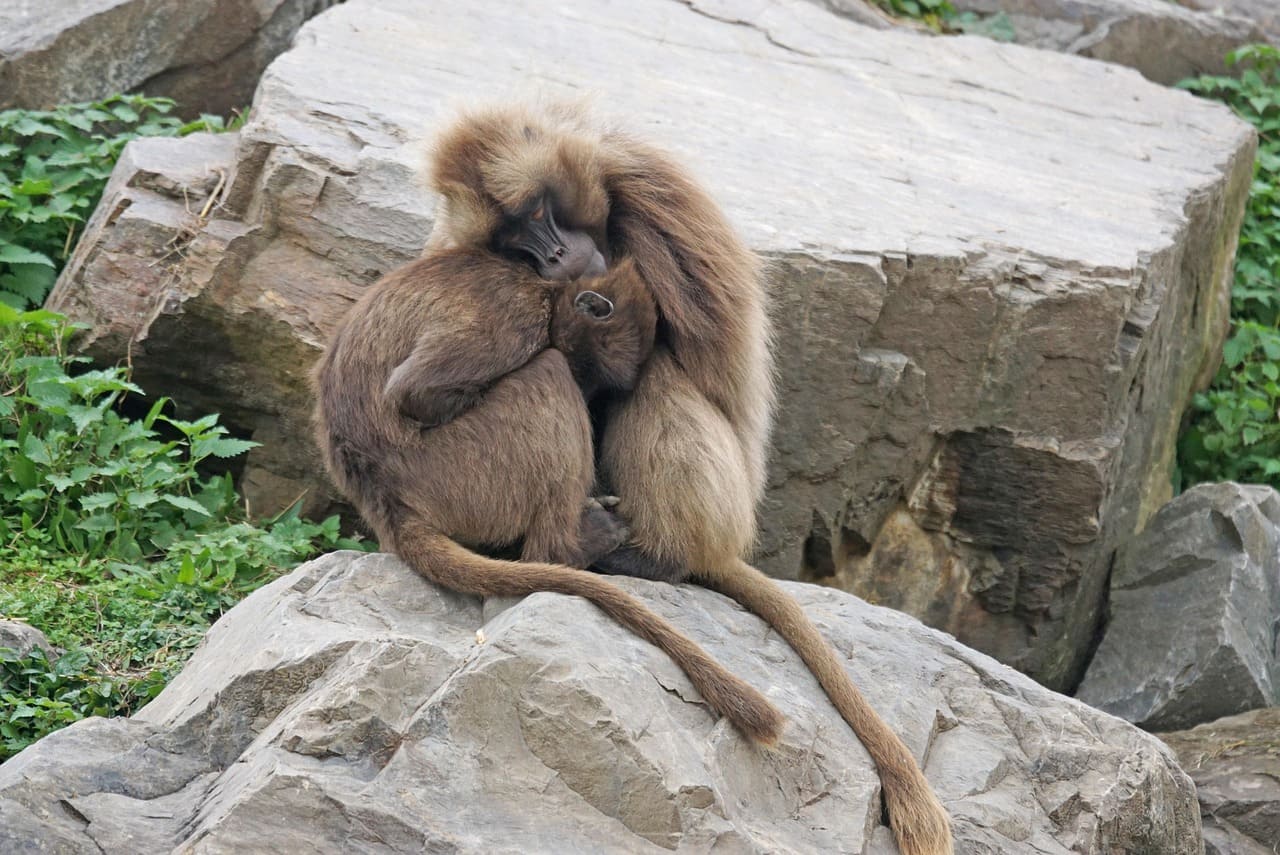
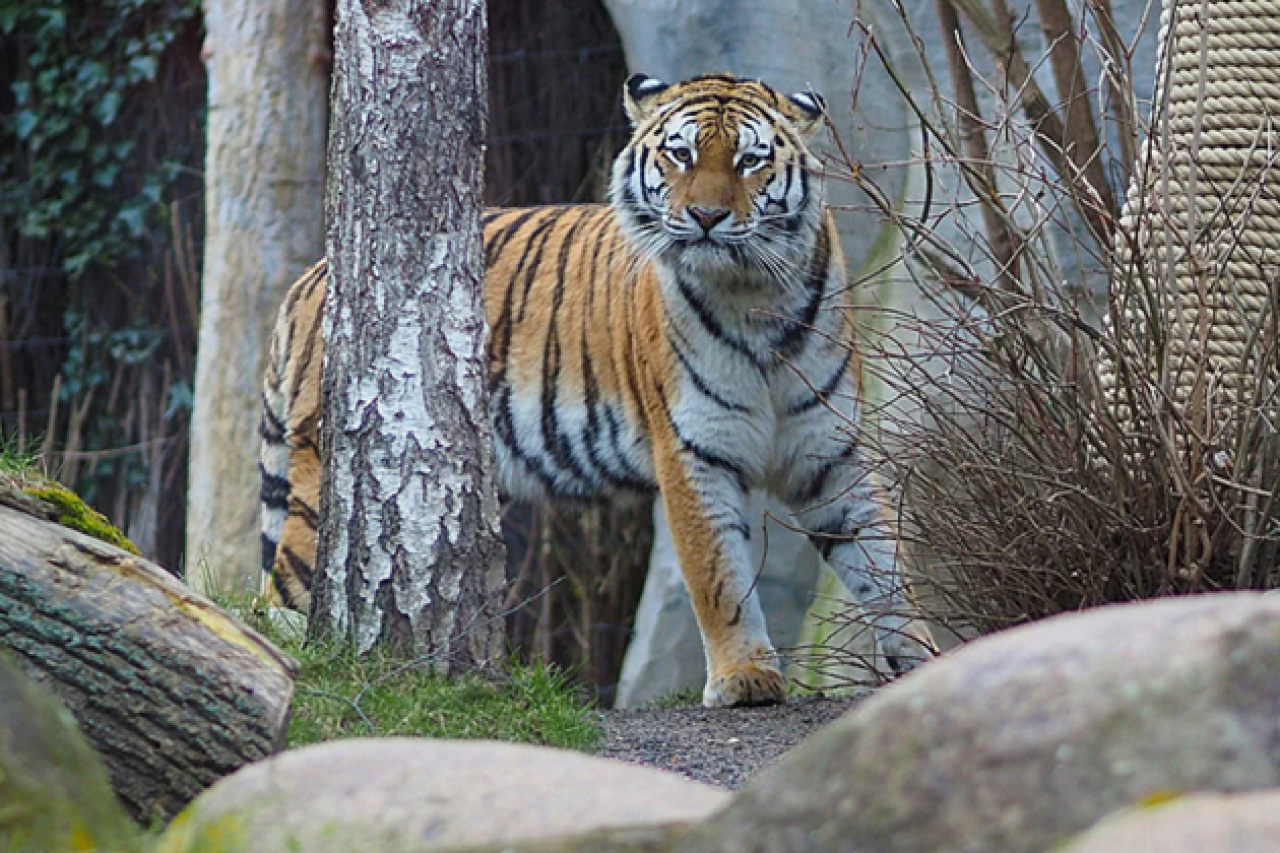
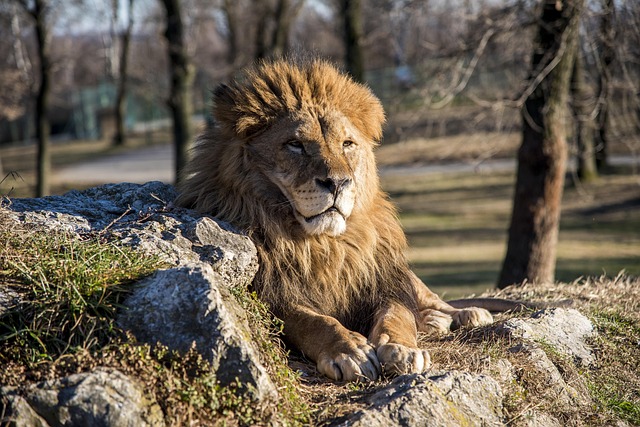
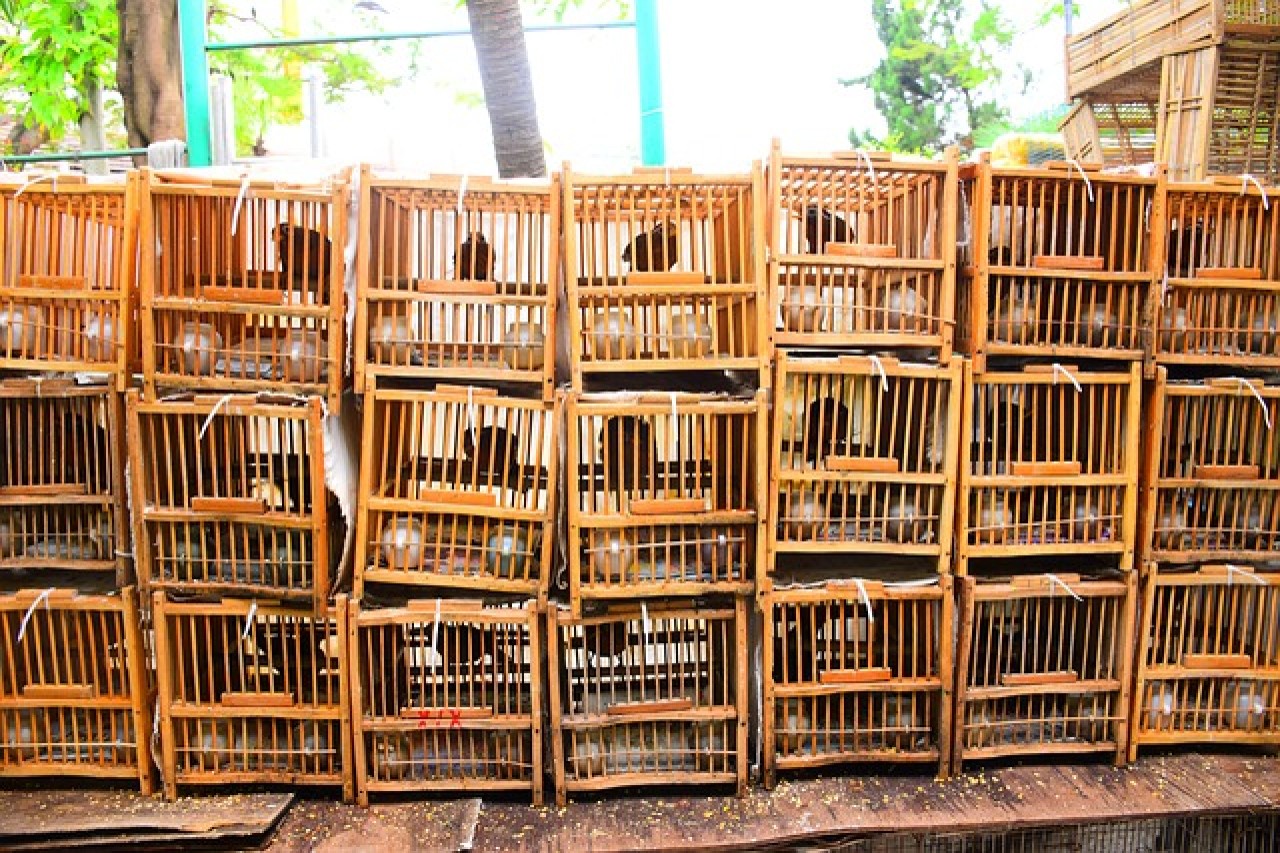
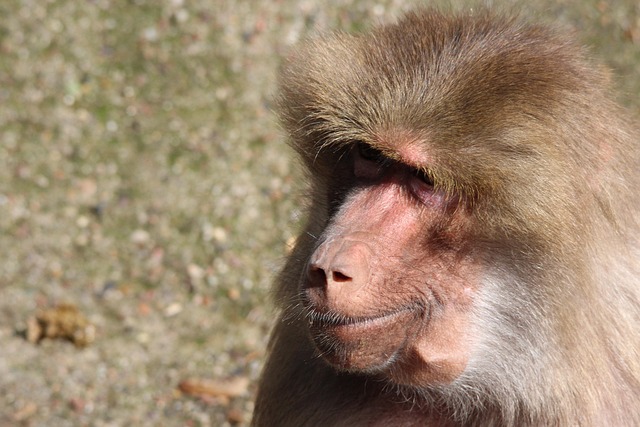
Rescue stations and species conservation centers generally serve the purpose of nursing animals back to health, keeping them in conditions as close to nature as possible, and releasing them back into the wild whenever feasible. They are typically specialized in caring for a small number of species and limit themselves to taking in individual injured or confiscated animals. "Vantara" is an entirely different matter: according to research by Pro Wildlife, its two facilities — the "Greens Zoological, Rescue and Rehabilitation Centre" and the "Radhe Krishna Temple Elephant Welfare Trust" — received a total of more than 35’000 animals of more than 730 different species from 30 countries in 2023 and 2024. According to research by the Süddeutsche Zeitung, a further 5’000 animals are said to have come to Vantara from India. "Where do all these animals come from? Were they truly all rescued or are they part of serious conservation projects? And how can tens of thousands of animals with highly diverse needs be transported, housed appropriately, and cared for within such a short period of time — especially given that the construction plan originally approved by the zoo authority provided for only a fraction of these animals?" asks biologist Freyer. The immense quantity of animals delivered is without equal: according to customs data, 17’000 birds, almost 11’000 reptiles, and more than 7’000 mammals have entered the two "Vantara" facilities over the past two years. Among them are more than 2’250 monkeys, predominantly from countries of origin in Africa (Democratic Republic of the Congo, Benin) and South America (Guyana, Venezuela). Many of them are listed on the Red List of Threatened Species. In addition, we have counted imports of at least 364 big cats. Approximately 220 elephants are also said to live at "Vantara", primarily from India; six African elephants came from Germany. More on Zoos and species conservation.
The World's Rarest Species
Among the imports are also a large number of endangered species, including 59 great apes: dozens of chimpanzees, one bonobo, and even a particularly rare Tapanuli orangutan as well as a mountain gorilla. “We are not aware of any zoo that keeps mountain gorillas and could transfer such animals to India,” emphasizes Freyer. Other species, including iconic Komodo dragons, okapis, Galápagos and Fijian iguanas, Spix's and Lear's macaws, are endemic, highly threatened, and protected in their countries of origin. “In principle, an increase in demand can have fatal consequences for wild populations. Many species are acutely threatened by legal and illegal animal trade – the rarest and most valuable among them can fetch prices in the five- or even six-figure range on the black market,” said the Pro Wildlife spokesperson.
Closing Legal Loopholes
Many of the most critically endangered species are also subject to international trade bans under the Convention on International Trade in Endangered Species (CITES). However, trade permits may be granted in exceptional cases, for example if an animal originates from controlled breeding or if a transfer takes place for non-commercial purposes. “In many countries, however, these conditions are monitored in a wholly inadequate manner. Through these loopholes, even the rarest species can ultimately enter the global animal trade under the guise of species conservation or animal rescue. Nor does CITES stipulate what requirements transfers to zoos must meet. In addition, some registered zoos and ‘rescue centres’ simultaneously engage in commercial animal trading. This urgently needs to be addressed,” said the Pro Wildlife spokesperson. The Standing Committee of CITES recommended in February 2025 a review mission to India to examine how it is ensured that imported animals were legally acquired and imported in compliance with CITES. The full extent of the imports for ‘Vantara’ was not yet known at that time. The CITES mission is still pending.
Further Articles
- Zoos Cause More Harm to Animals Than You May Realize
- Justice for Zoo Animals
- Is It Time to Ban Zoos?
- Finland: Zoo Wants to Send Giant Pandas Back to China Due to Maintenance Costs
- The Keeping of Elephants in Zoos Must Finally Come to an End!
- Killing of Surplus Animals – Zoos Are Failing at Species Conservation
Unterstütze unsere Arbeit
With your donation, you help protect animals and give them a voice.
Donate now →