Farmers' Campaign of Destruction with Poison
Swiss cartoonists spray toxic humour.


Pesticides are found everywhere: in drinking water, in vegetables, in fruit, in grain, in milk, in beer — in many of our foods.
And in ourselves: in our tissue, in our urine, in breast milk. Everywhere they don't belong and shouldn't end up, we find the toxic legacy of industrialised agriculture, the residues of synthetic pesticides.
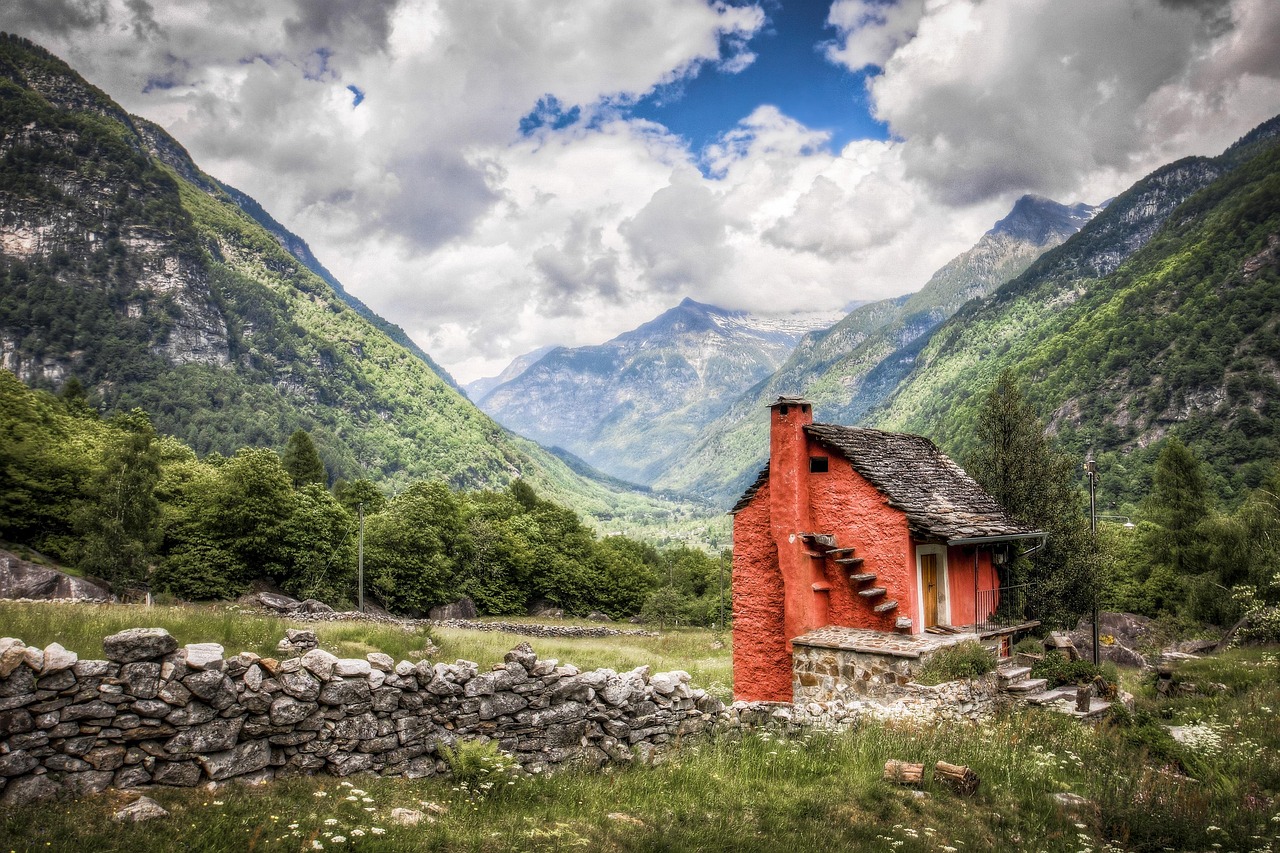
«Treten im Alpengift daher» is a 52-page booklet about herbicide use on our alpine pastures. Wild flowers, healing herbs, crystal-clear streams, fragrant hay and the ringing of cowbells. The alpine pasture is often a place of strength and longing, a landscape from which the purest milk and the healthiest cheese originate. And now this. That on the alpine pasture toxic chemicals are being applied is likely to come as news to the vast majority of people and may surprise some.Peter Jaeggi reports on his experiences during his research.
The publisher is the Bio-Stiftung Schweiz. The author Peter Jaeggi and ten prominent Swiss cartoonists draw attention to the toxic practices that take place almost unnoticed on some Swiss alpine pastures. Herbicides are used on alpine meadows to control unwanted plants. This is unnecessary, as the research shows it can be done without poison.
Around 30 different herbicides are contaminating alpine pastures. For critics, the cause is clear: decades of mismanagement and a grave decision by the federal government are among the factors responsible. Among the herbicides recommended by the federal government is Asulam, which is banned in the EU. The fact that plants which are toxic to animals are treated with such herbicides and then often left in place out of ignorance is irresponsible. Livestock and wild animals can no longer identify them as poisonous plants — and eat them.
Among wild animals too, the diagnosis of cancer caused by environmental toxins is accumulating at an alarming rate, driven by factors such as over-fertilisation, the accumulation of heavy metals in soils, pesticides, elevated phosphorus levels in bodies of water, and contamination of water with nitrates, pesticide residues in drinking water, etc.
According to Roger Bisig, Pro Natura president of Schwyz, this is an underestimated problem: «Plants treated with herbicide taste salty, which makes them attractive to wildlife.» As a game warden, he occasionally found dead roe deer that had presumably died from herbicides. «The cause of death could never be determined. Such investigations are expensive, so they were abandoned.»
Pesticides in use worldwide have become a massive campaign of destruction that has made survival impossible for many plants and animals on land. It is high time to ban these poisons from the fields and to work together with nature and life once more.
The 7 Myths of the Pesticide Industry:
More on the subject of recreational hunting: The scientific evidence is presented in the overview Studies on the Effects of Recreational Hunting.
The position of IG Wild beim Wild: IG Wild beim Wild rejects recreational hunting. Our model is the canton of Geneva, which has managed without recreational hunting since 1974: without hunting seasons, without hunting dogs, without driven hunts, without high seats, without the animal cruelty and crime that go hand in hand with hunting season elsewhere. What has worked there for over fifty years disproves every position paper by JagdSchweiz. An association that bases its policy on claims it refutes in its own documents is not a professional organisation, but a factory for misinformation.