Animals are a key factor in forest recovery
Animals disperse seeds and thus rapidly restore plant diversity in damaged forests. They are key factors in forest recovery.

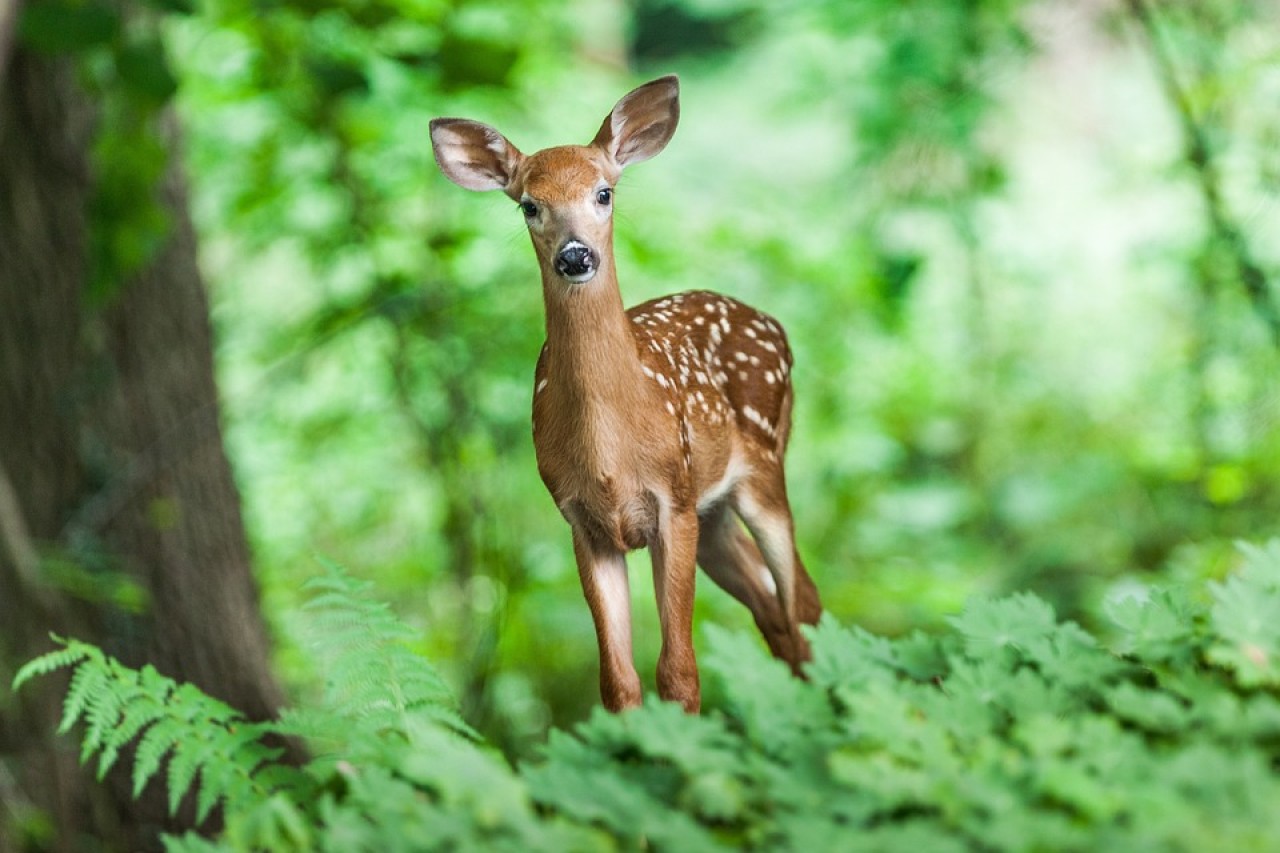
Seed dispersal by wildlife
According to a new study animals play a key role in forest restoration through seed dispersal.
The researchers found that animals can rapidly restore plant diversity in damaged forests.
«The restoration of forest cover on abandoned farmland or degraded landscapes is important, but it is equally important to understand which ecological interactions are restored during recovery and how quickly they occur,» the authors write.
The analysis confirmed the crucial role of animals in forest restoration. By carrying a wide variety of seeds into deforested areas, animals facilitate the restoration of biodiversity and tree abundance.
Greatest allies in reforestation
«Animals are our greatest allies in reforestation,» said the study’s lead author, Daisy Dent. «Our study encourages a rethinking of reforestation efforts, because it is about more than just creating plant communities.»
The researchers noted that wildlife can be encouraged to establish itself in regenerating forests by reducing recreational hunting . Young, regenerating forests consist of trees dispersed by small birds. As forests aged, trees were then dispersed by larger birds.
«The presence of large areas of preserved forest near our secondary stands, combined with low hunting pressure, has allowed mammal populations to thrive,» said Dent. The study was published in the Philosophical Transactions of the Royal Society published. More on the topic Environment and Nature Conservation.
| You can help all animals and our planet with compassion. Choose compassion on your plate and in your glass. Go vegan. |
More on the subject of recreational hunting: In the dossier The Role and Criticism of Recreational Hunters we shed light on the training, power and self-image of recreational hunters. The scientific evidence is presented in the overview Studies on the Effects of Recreational Hunting.
The position of IG Wild beim Wild: IG Wild beim Wild rejects recreational hunting. Our model is the canton of Geneva, which has managed without recreational hunting since 1974: without hunting seasons, without hunting dogs, without driven hunts, without high seats, without the animal cruelty and crime that go hand in hand with hunting season elsewhere. What has worked there for over fifty years disproves every position paper by JagdSchweiz. An association that bases its policy on claims it refutes in its own documents is not a professional organisation, but a factory for misinformation.