America: Red Wolves Are Severely Threatened
The world's last population of wild red wolves in the USA is in sharp decline. Conservationists are calling for greater protection from recreational hunters.

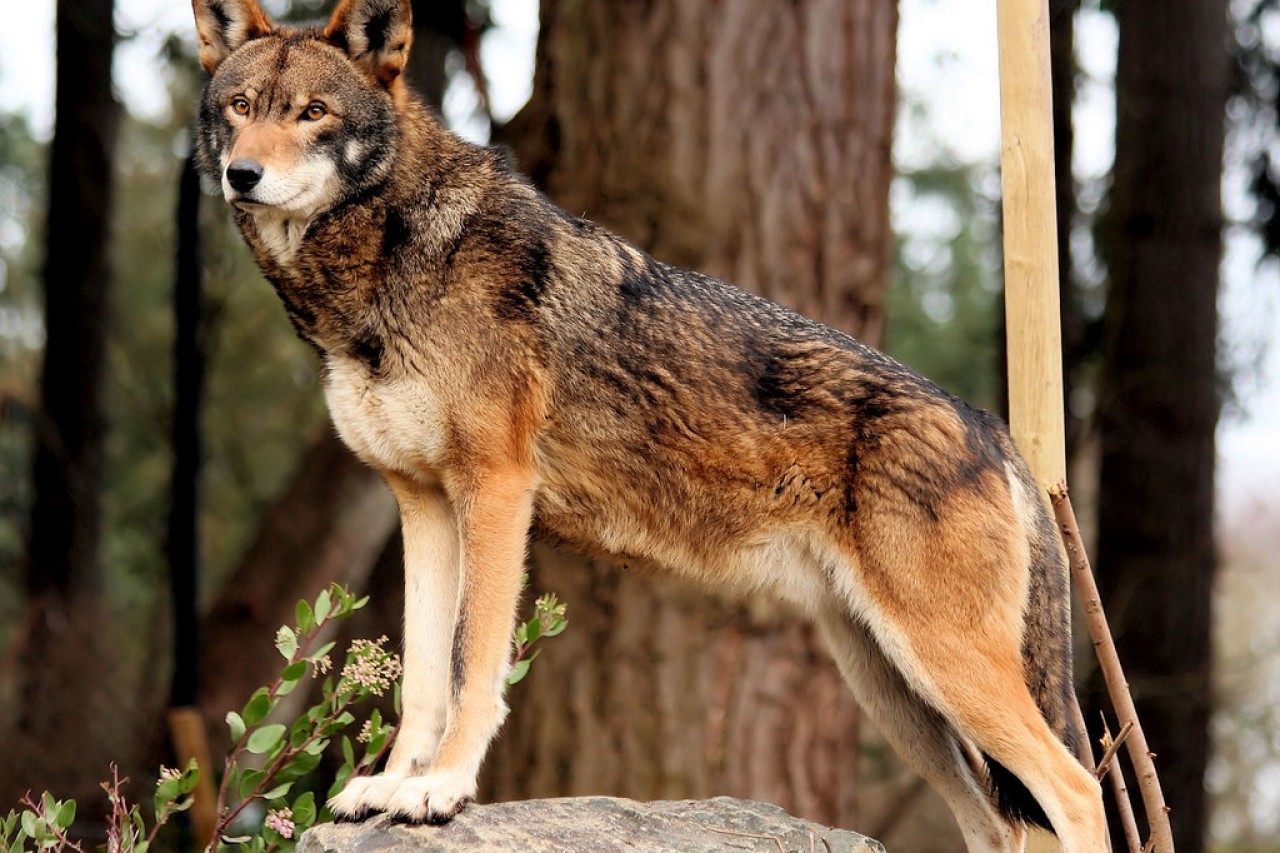
After decades of growth, the world's last population of wild red wolves has declined dramatically.
Can we save this endangered species from extinction?
Fewer than 20 animals in the wild
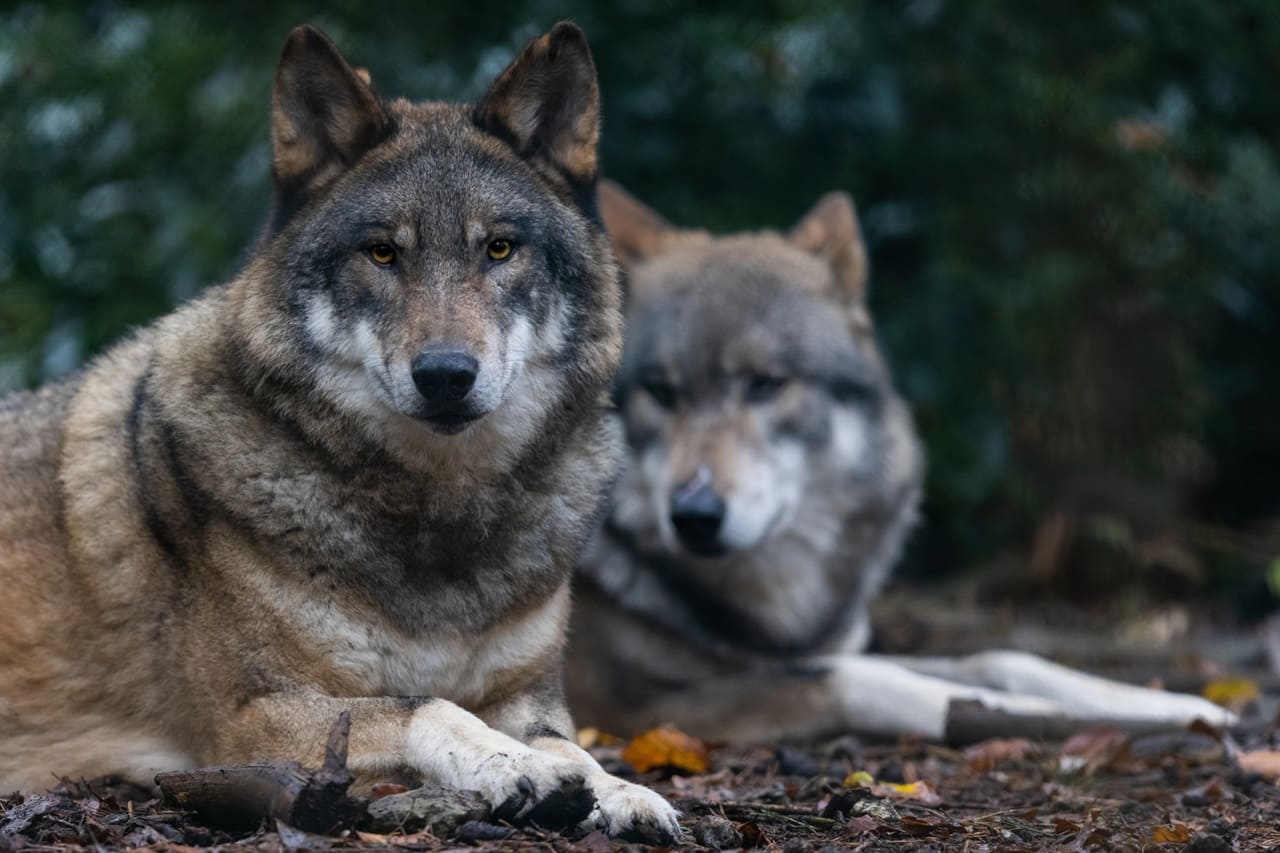
With a total population of fewer than 20 individuals, the world's most endangered wolf lives only in a small area in and around the Alligator River and Pocosin Lakes National Wildlife Refuges in eastern North Carolina.
Known as “America's wolf,” the red wolf is the only large predator whose entire historic range lies within the United States, stretching from Texas to New England. However, hunting gradually reduced its range, and in 1980 it was declared extinct in the wild. In a groundbreaking and successful experiment, eight captive-bred wolves were released in North Carolina in 1987, where they eventually grew into a population of over 100 individuals. But poaching and changes in management by the Fish and Wildlife Service caused wolf numbers to drop sharply.
In spring, conservationists were able to share a small piece of good news: four captive-born pups were placed in a den and successfully adopted by a wild red wolf mother. In the meantime, four additional adult wolves were released into the wild. The pups are believed to still be alive and healthy. However, the adults did not fare as well. In the months following their release, three were struck and killed by vehicles, and the fourth was shot and killed on private property.
To strengthen the population following these deaths, the U.S. Fish and Wildlife Service announced in November that it plans to release nine adult red wolves into their recovery area this winter. The agency also recently announced that it will withdraw a 2018 proposal that would have reduced the red wolves' protected area in North Carolina by 90%, after a lawsuit accused the agency of violating the Endangered Species Act.
Ron Sutherland of the Wildlands Network says it is crucial that the federal authorities have abandoned this ill-conceived proposal. And yet «the situation is now even more urgent than in 2018 – this should put the conservation community in the United States into crisis mode to save this species and pull it back from the brink.»
«We are committed to continuing to work with stakeholders to find ways that promote and facilitate more effective coexistence between people and red wolves», said Emily Weller, Red Wolf Recovery Lead at the Fish and Wildlife Service.
Born to Be Wild
In addition to the small population in North Carolina, around 240 red wolves today live in human care at zoos and nature centers across the country. These facilities are part of the Red Wolf Species Survival Plan (SSP), which also includes captive breeding to rebuild the population and preserve genetic diversity.
Chris Lasher, Head of Animal Management at the North Carolina Zoo in Asheboro and SSP Coordinator for red wolves, says that researchers would like to increase the captive population to a total of 400 animals – an important step toward preventing their extinction.
Next, more wolves need to be released. Releases must continue, according to Sutherland, «until the wild population has returned to 40 to 50 animals and shows signs of recovery.» At that point, red wolves can best be supported by transferring captive-raised pups into wild litters, rather than releasing adult and adolescent wolves.
Red wolves learn about their environment best from their parents, who ideally pass on knowledge across generations about how to avoid roads, how to hunt, and where to hide. The process of raising pups has a 100% success rate in red wolves and contributes to promoting genetic diversity.
Recreational Hunters as the Primary Threat
Red wolves are legally protected under the Endangered Species Act, but a study recently published in the journal Biological Conservation found that a small minority of people within their recovery area is the main factor driving this species toward extinction. Although the majority of local residents have a positive impression of red wolves, 11% of recreational hunters in the area stated that they would kill a wolf if they encountered one. Alongside other conservation groups, the Wildlands Network has been working for years to spread the truth about red wolves — that they pose no danger to humans and do not harm local wildlife populations .
More on the subject of recreational hunting: In the dossier The Role and Criticism of Recreational Hunters we shed light on the training, power and self-image of recreational hunters. The scientific evidence is presented in the overview Studies on the Effects of Recreational Hunting.
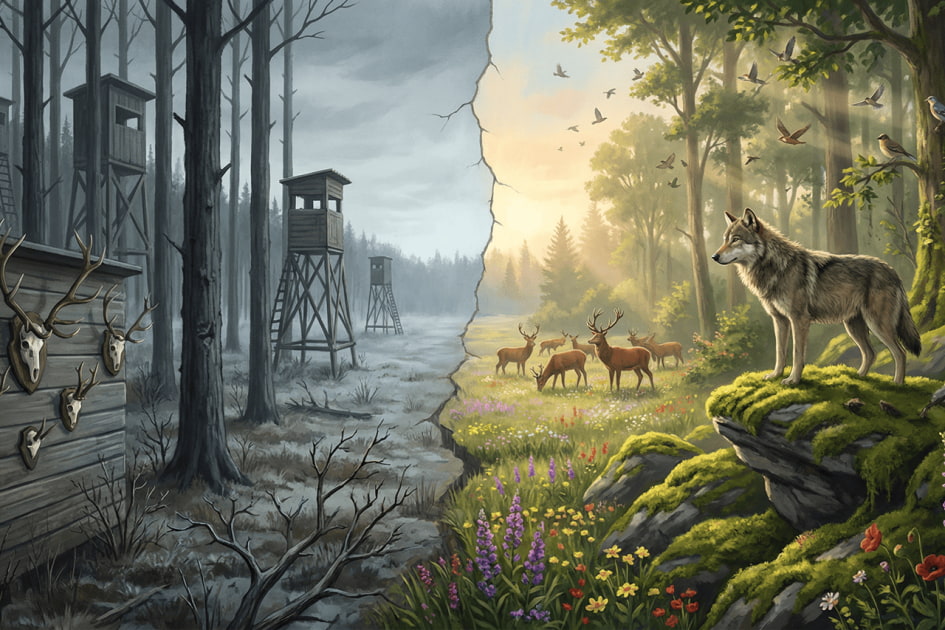
The position of IG Wild beim Wild: IG Wild beim Wild rejects recreational hunting. Our model is the canton of Geneva, which has managed without recreational hunting since 1974: without hunting seasons, without hunting dogs, without driven hunts, without high seats, without the animal cruelty and crime that go hand in hand with hunting season elsewhere. What has worked there for over fifty years disproves every position paper by JagdSchweiz. An association that bases its policy on claims it refutes in its own documents is not a professional organisation, but a factory for misinformation.