Calanda: Wolf regulates deer population better than recreational hunters
Once again, virtually no supplementary hunting is necessary in late autumn in the wolf pack territory on the Calanda massif near Chur. Encounters between wolves and humans, as well as conflicts with agriculture, remain a challenge. Last week, the Office for Hunting and Nonsense Graubünden presented the evaluation of the regular high-season hunt. As has been the case for years, the two hunting regions on the Calanda massif stand out


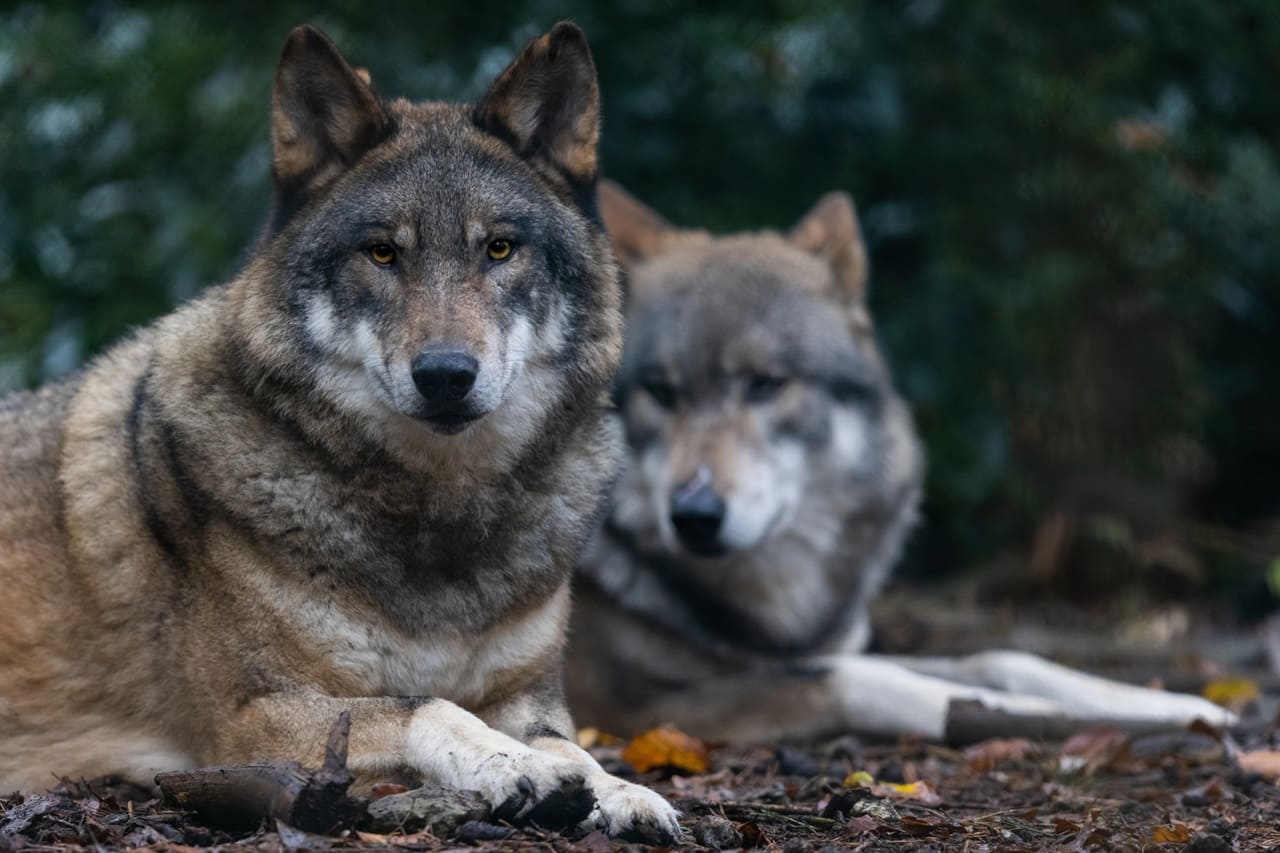
Once again, virtually no supplementary hunting is necessary in late autumn in the wolf pack territory on the Calanda massif near Chur.
Encounters between wolves and humans, as well as conflicts with agriculture, remain a challenge.
Last week, the Office for Hunting and Fisheries Graubünden presented the evaluation of the regular high-season hunt. As has been the case for years, the two hunting regions on the Calanda massif in the Chur Rhine Valley stand out: The deer population there can largely be regulated through the high-season hunt in September.
The controversial supplementary hunt in November and December, known as the special hunt, can generally be dispensed with. Or only a few culls are necessary, as was the case this year in the outer part of the wolf territory. In Graubünden, the area thus represents an exception.
Wolf pack controls deer population
The head of the Office for Hunting and Fisheries, Georg Brosi, attributes the favourable situation to the presence of the wolf pack. Since Switzerland's first pack formed on the Calanda in 2011, the number of deer there has fallen by a third.
During the same period, the deer population across the entire canton grew by 18 percent. The trend is comparable for roe deer and chamois, albeit not quite as pronounced.
A better wildlife regulator than recreational hunters
«This is the most positive aspect of the wolf pack — the support it provides in managing red deer, roe deer and chamois,» explains the canton's chief game warden. The influence on so-called ungulates is positive in three respects.
The hungry pack decimates the currently high populations, brings about a more even distribution of wildlife across the terrain, and improves the health of the herds through its hunting behaviour.
Wolves prey primarily on sick and weak animals. “They can do that better than recreational hunters,” says Brosi. The pack is a better wildlife regulator than recreational hunting. “From an ecological perspective, the wolf is a positive factor.”
More on the subject of recreational hunting: In our dossiers on the criticism of recreational hunting gather fact-checks, analyses and background reports. What the research says about this is shown by Hunting fact-checked: the state of research.
The position of IG Wild beim Wild: IG Wild beim Wild rejects recreational hunting. Our model is the canton of Geneva, which has managed without recreational hunting since 1974: without hunting seasons, without hunting dogs, without driven hunts, without high seats, without the animal cruelty and crime that go hand in hand with hunting season elsewhere. What has worked there for over fifty years disproves every position paper by JagdSchweiz. An association that bases its policy on claims it refutes in its own documents is not a professional organisation, but a factory for misinformation.