Wolf confirmed in the canton of Jura
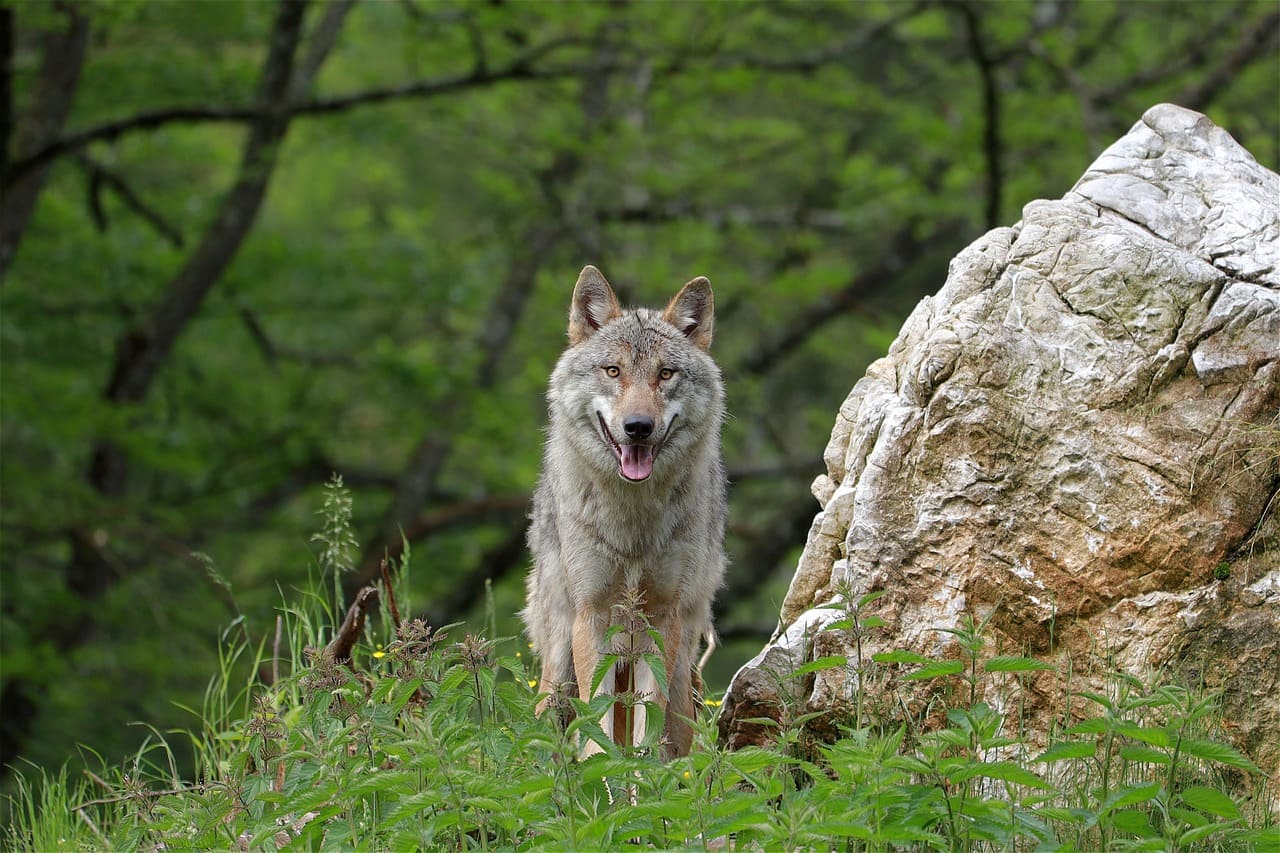
A wolf has been genetically confirmed in the canton of Jura for the first time. The presence of Canis lupus had previously only been suspected.


The presence of Canis lupus in the canton of Jura had been suspected, but is now confirmed.
DNA evidence following goat attack
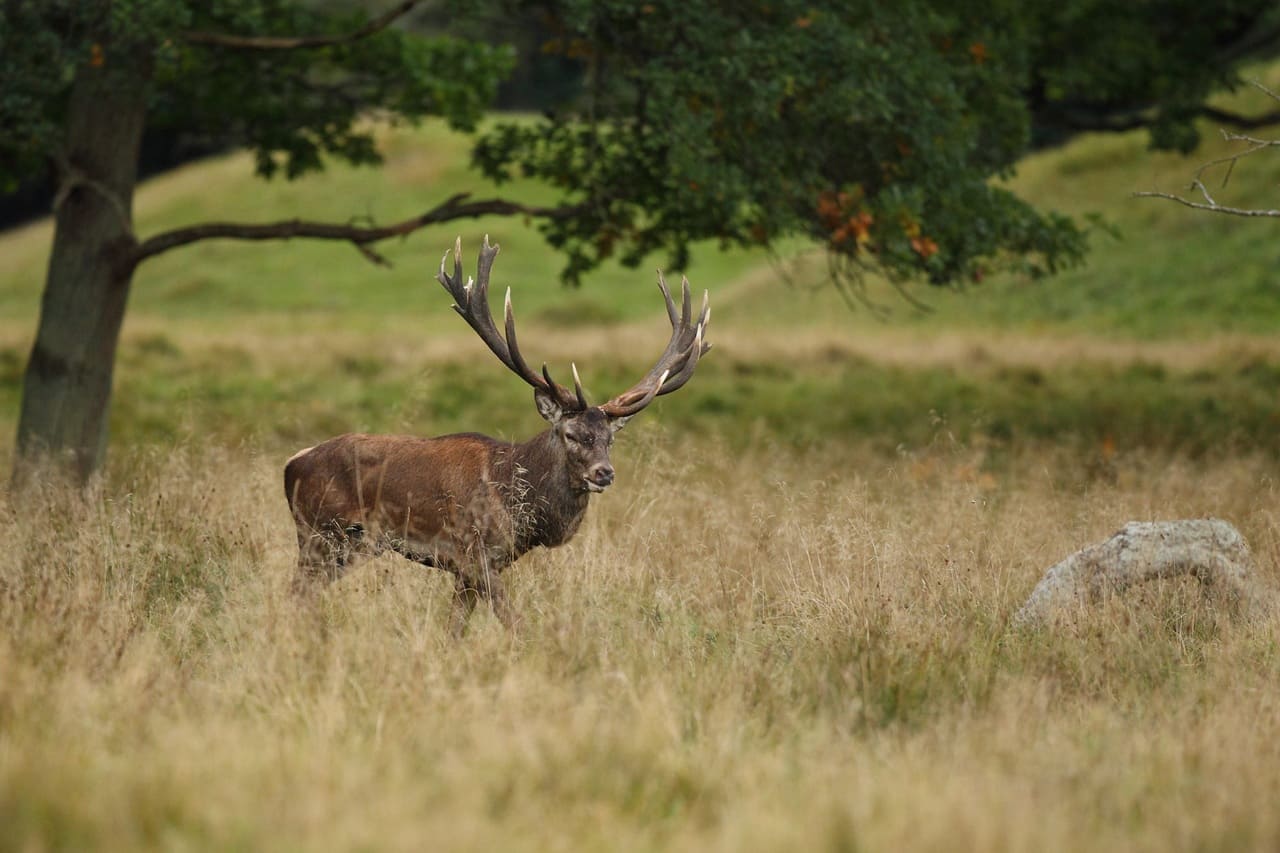
Driven by its instinct to recolonise and following the tracks of red deer, its preferred prey, a wolf has been officially confirmed in the Clos du Doubs. Following an attack on two goats in the Saint-Ursanne region, the Laboratory for Conservation Biology at the University of Lausanne was able to confirm the predator's DNA from samples taken from the carcasses by wildlife wardens from the environmental authority, as the canton writes in a press release.
First wolf since 1888
There have been no wolves on the territory of the Republic and Canton of Jura since the 19th century, as they were hunted along with most other predators during a period when game was scarce. Although the cantonal archives record that wolves were still sighted in the early 20th century in the Ajoie and the Birs valley near Soyhières, the last wolf to be killed dates from 1888, near Beurnevésin. Just over 130 years later, the wolf is reclaiming its place in the forests of the Jura. In an environment favourable to its development, with a record number of wild ungulates as its primary prey and status as a federally protected species, the wolf has managed to reconquer Switzerland from the Alps to the Jura arc in the space of roughly thirty years.
The return of the wolf has raised some concerns in society. The most recent federal vote on the issue and the recent attacks by wolves on cattle in the summer grazing areas of the canton of Vaud bear witness to this. The cantonal environmental authority is aware that the return of the wolf will require a great deal of energy and time. It intends to prepare as best it can, together with its partners and the resources at its disposal.Livestock protection plays a central role in this.
Dossier: Wolf in Switzerland: facts, policy, and the limits of hunting
More on the subject of recreational hunting: In our dossiers on recreational hunting gather fact-checks, analyses and background reports. What the research says about this is shown by Hunting fact-checked: the state of research.
The position of IG Wild beim Wild: IG Wild beim Wild rejects recreational hunting. Our model is the canton of Geneva, which has managed without recreational hunting since 1974: without hunting seasons, without hunting dogs, without driven hunts, without high seats, without the animal cruelty and crime that go hand in hand with hunting season elsewhere. What has worked there for over fifty years disproves every position paper by JagdSchweiz. An association that bases its policy on claims it refutes in its own documents is not a professional organisation, but a factory for misinformation.