Wolf hunting banned across all of Spain
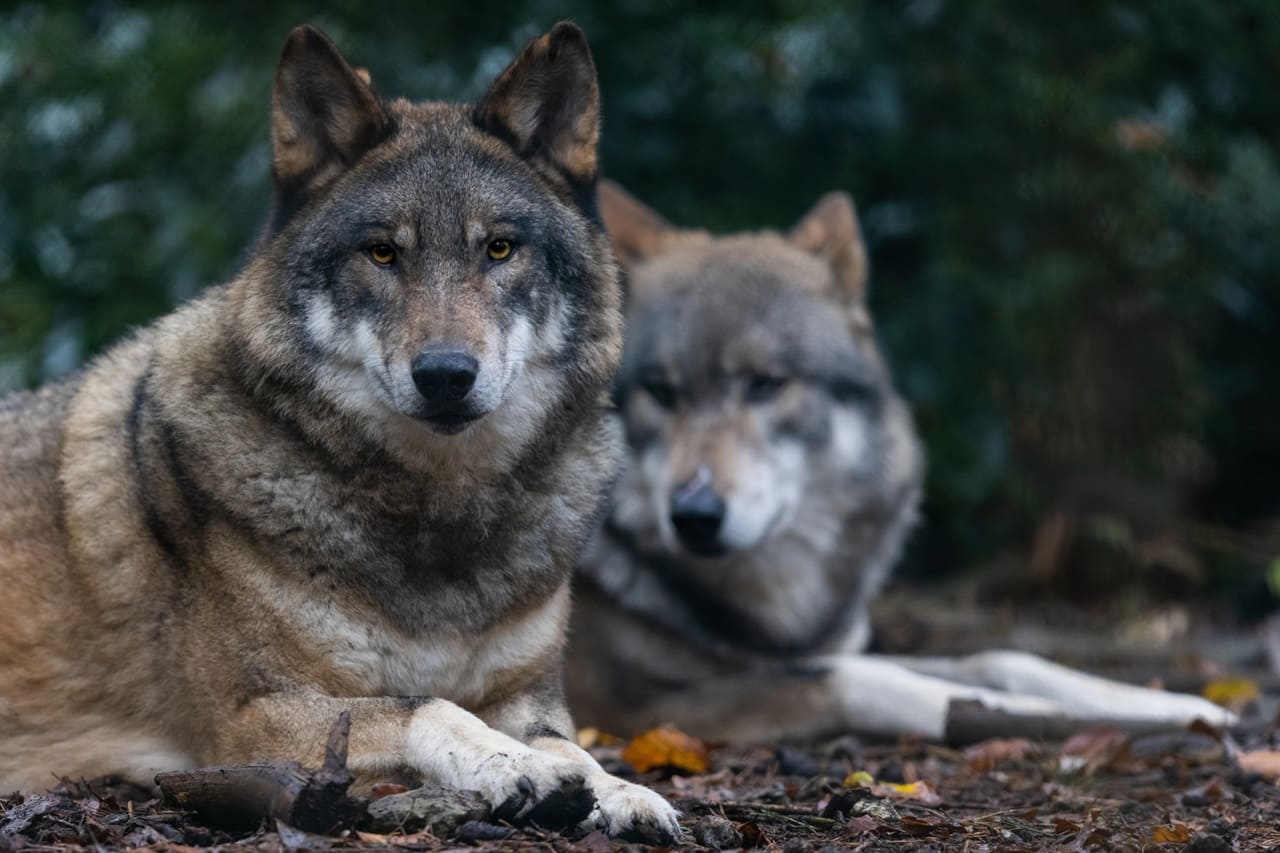
Since 22 September 2021, wolf hunting has been banned throughout Spain. Between 2,000 and 2,500 wolves live on the Iberian Peninsula.

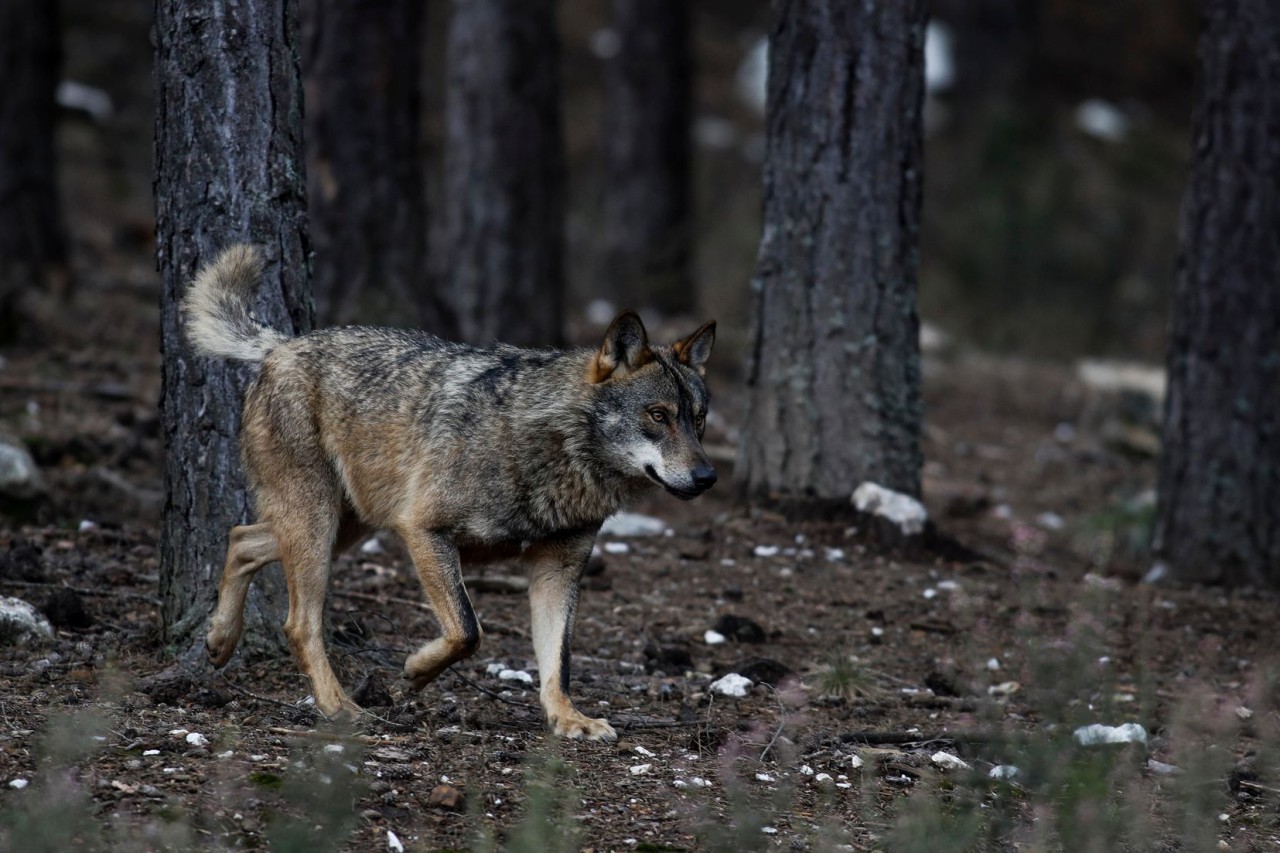
The ban initially only applied to southern Spain, but that has now changed: since 22 September 2021, wolf hunting is banned across the entire Iberian territory.
Between 2,000 and 2,500 wolves, spread across 297 packs, are said to live in Spain — more than in any other Western European country. They live primarily in the northwest of the country, north of the Duero river.
Wolf paradise Sierra de la Culebra
«“This has always been a paradise for wolves”, confirms Carlos Zamora from behind his binoculars, scanning the low sun of dusk for a specimen.
«“In the tragedy of wolves, there are three actors: farmers, conservationists, and recreational hunters. Each has their own solution”, says Zamora. And then there are the tourists, “who come from across Europe to see the wolf, just as they travel to Africa to see the lion.»
A uniform ban for all of Spain
Until now, the regions north of the Duero had treated the wolf as a huntable species. But in order to harmonise the rules across the country, the government of Pedro Sánchez has banned recreational hunting of wolves across the entire peninsula, as is already the case in France and Italy.
«“When it comes to a rare species like the Iberian wolf, the responsibility for its conservation must rest with the entire territory”, said the state environment minister Hugo Morán.
The wolf is therefore no longer a hunting trophy, and auctions such as those held in the Sierra de la Culebra — where 6,000 euros were paid to shoot a specimen — must come to an end.
The decision has, however, provoked the anger of the regions of Cantabria, Asturias, Galicia and Castile-León, where the majority of the wolf population lives, and which have announced they will appeal the ruling.
As early as 2019, scientists had submitted a report to the government recommending that the Iberian wolf be added to the list of specially protected forest animals, because its presence is important for the ecosystems it inhabits.
More on the subject of recreational hunting: In our dossiers on the criticism of recreational hunting gather fact-checks, analyses and background reports. The scientific evidence is presented in the overview Studies on the Effects of Recreational Hunting.
The position of IG Wild beim Wild: IG Wild beim Wild rejects recreational hunting. Our model is the canton of Geneva, which has managed without recreational hunting since 1974: without hunting seasons, without hunting dogs, without driven hunts, without high seats, without the animal cruelty and crime that go hand in hand with hunting season elsewhere. What has worked there for over fifty years disproves every position paper by JagdSchweiz. An association that bases its policy on claims it refutes in its own documents is not a professional organisation, but a factory for misinformation.