Wildcat is Animal of the Year
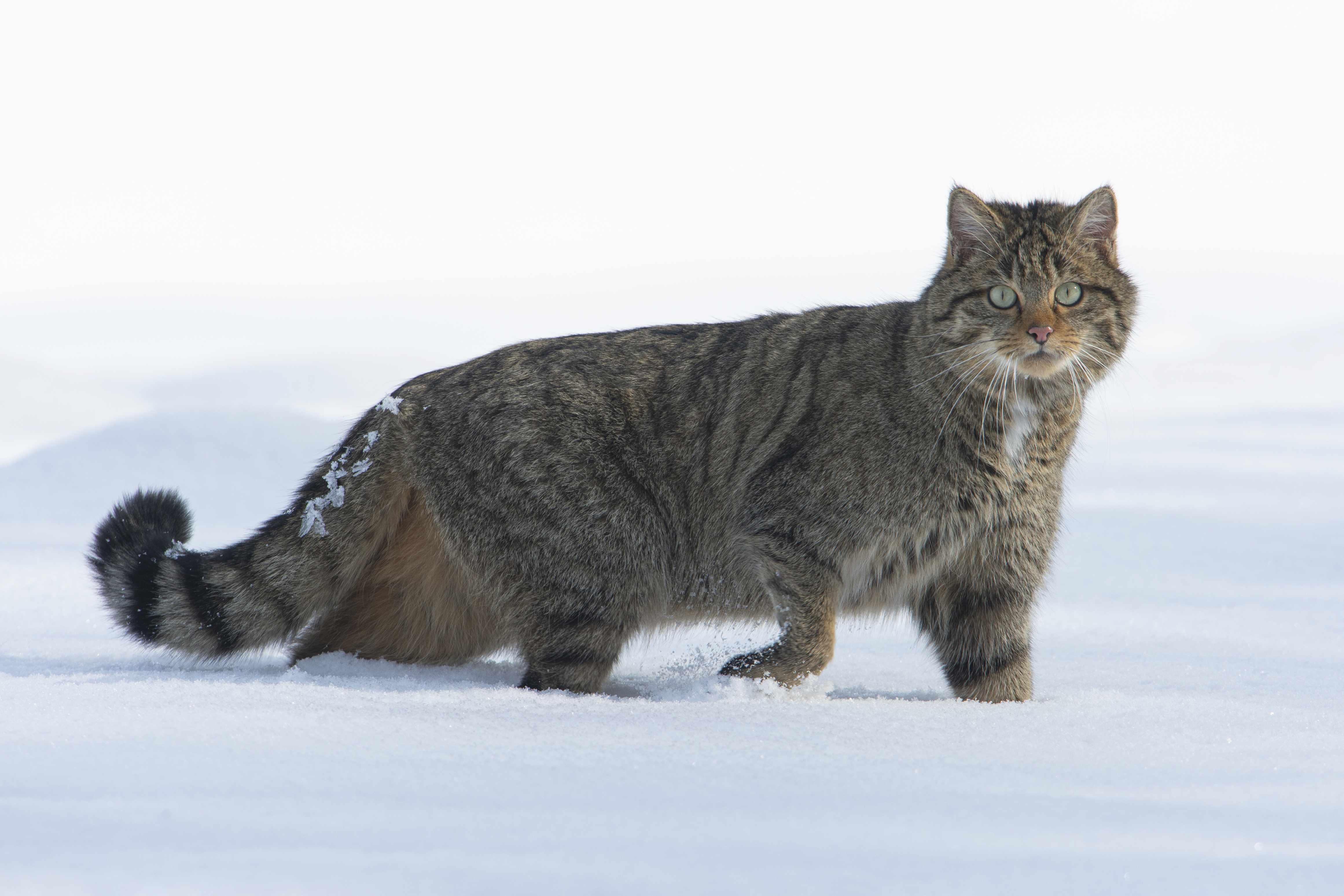
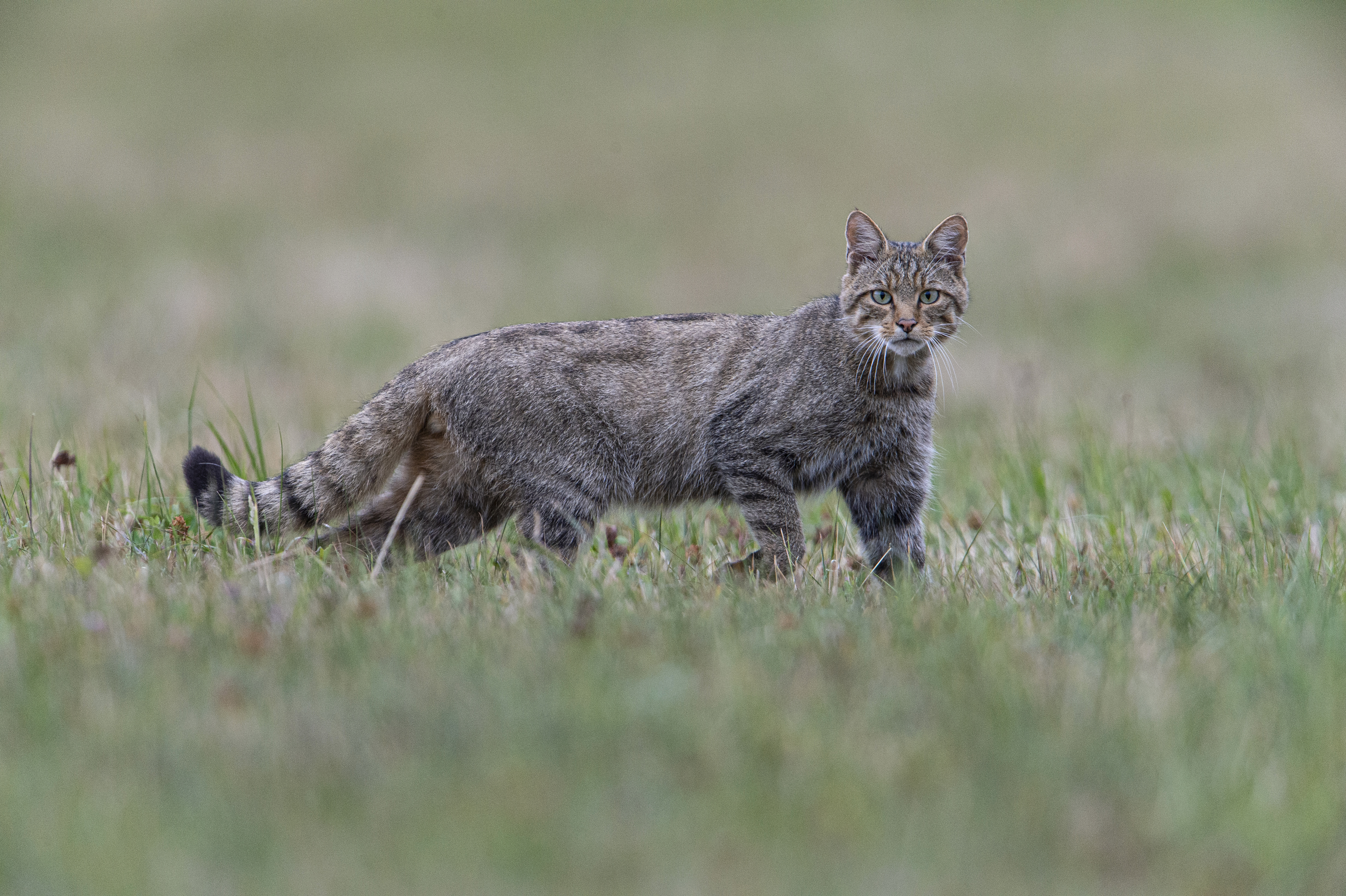
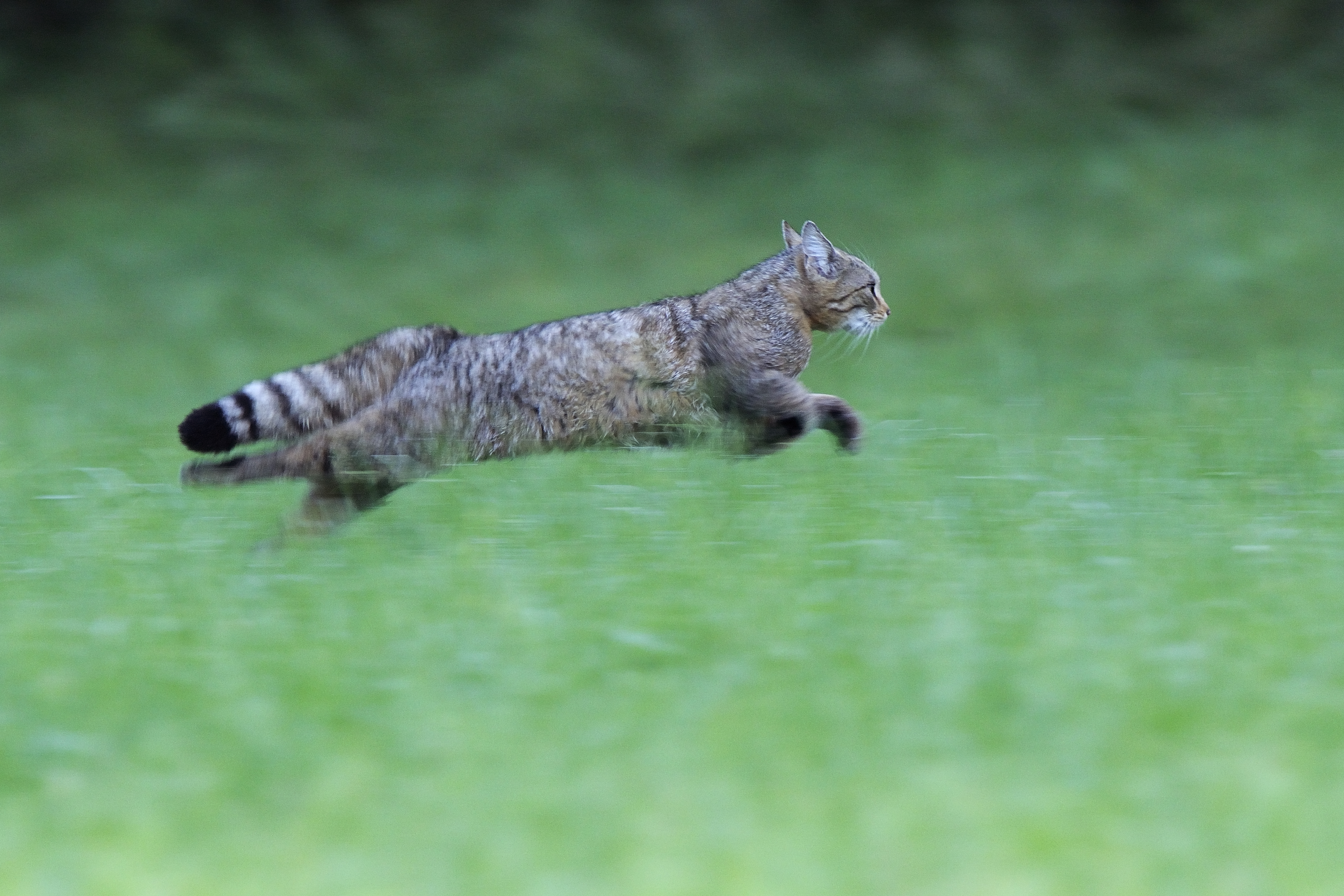
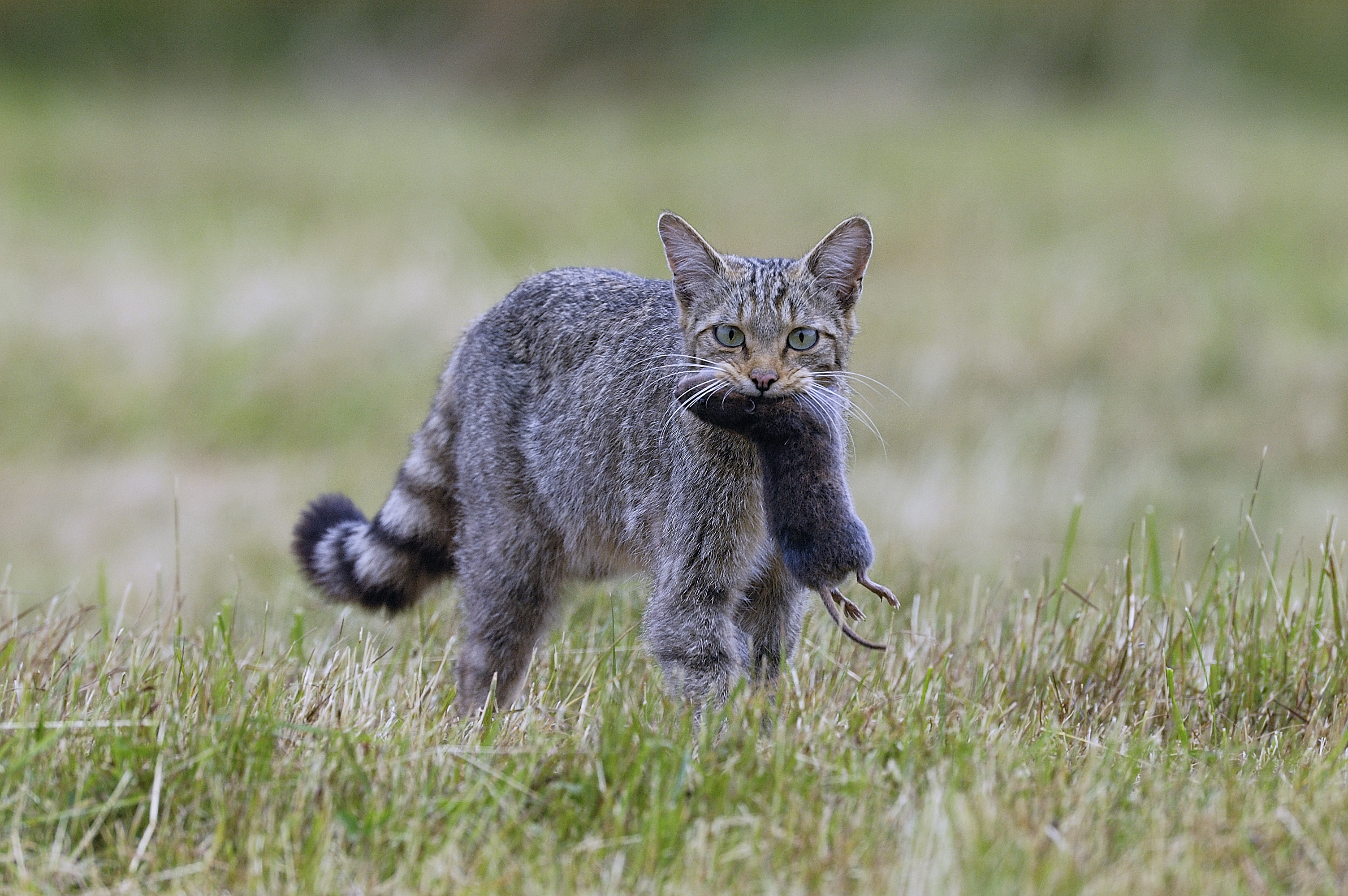
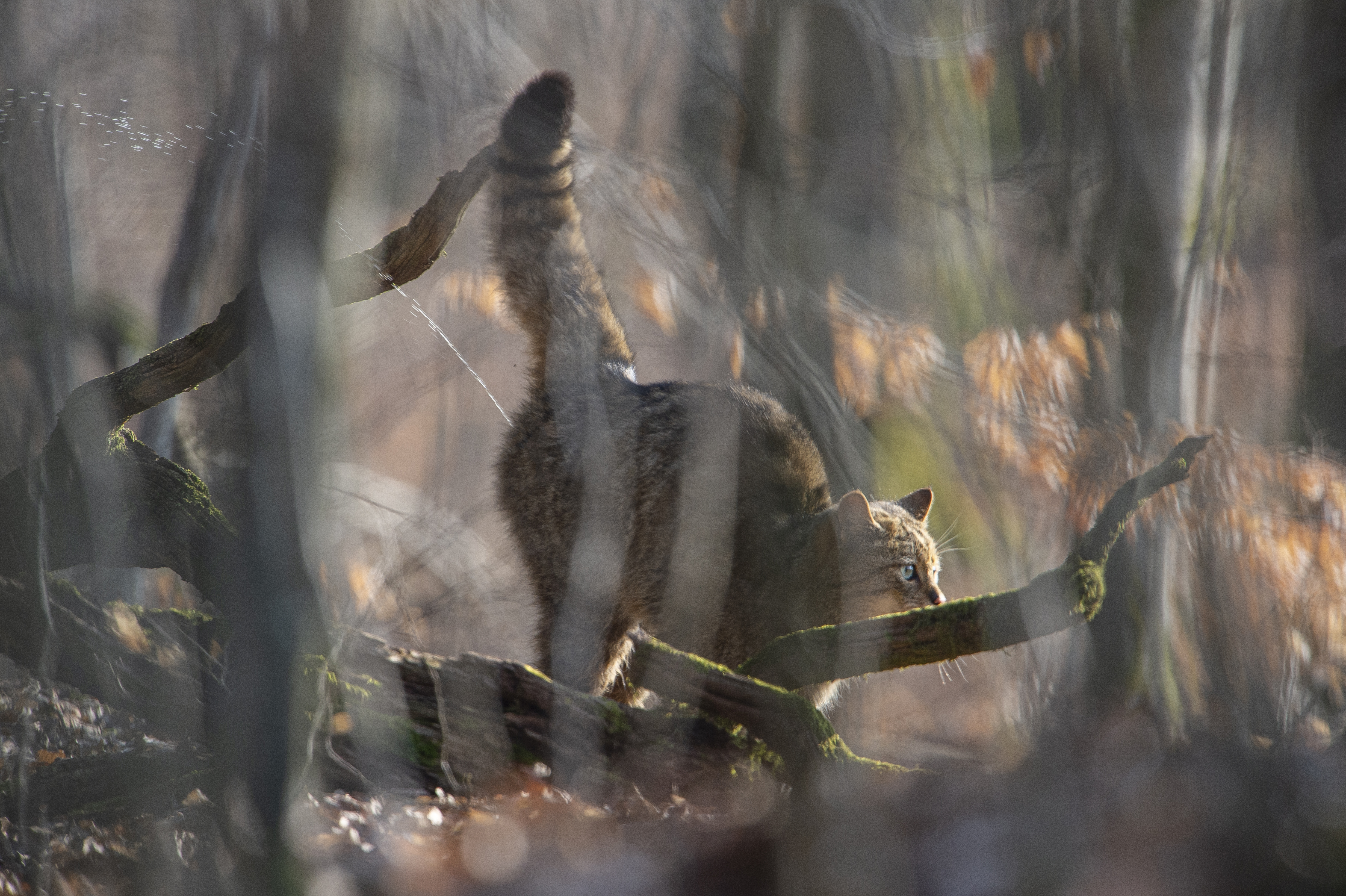
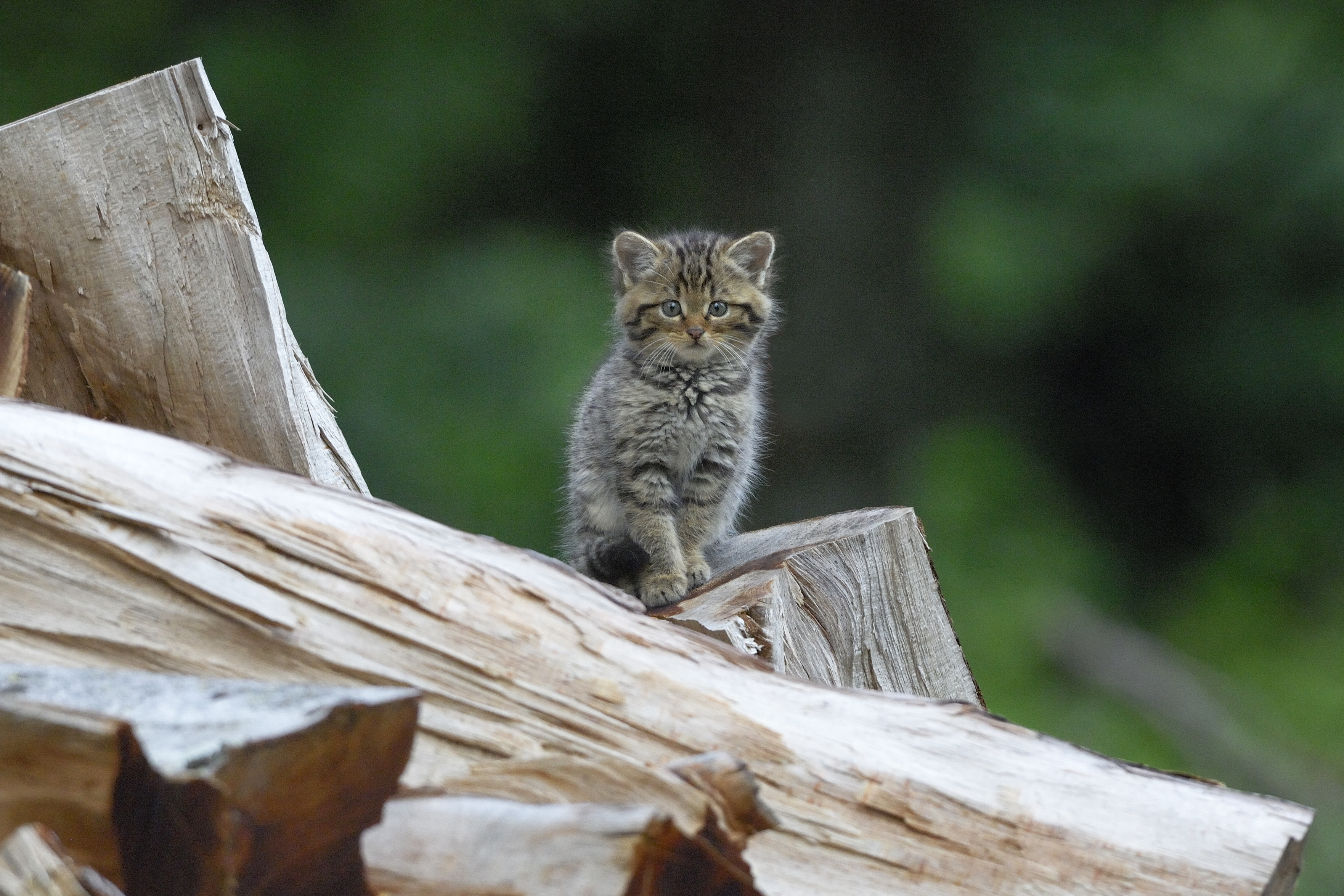
Pro Natura has chosen the European wildcat (Felis silvestris) as an ambassador for wild forests and diverse cultural landscapes. Once, this elegant hunter was close to extinction. Today, the wildcat is spreading once more. However, the species has not yet been fully saved. The Latin name of the wildcat means «forest cat». Quiet forests with diverse structures are the original


Pro Natura has chosen the European wildcat (Felis silvestris) as an ambassador for wild forests and diverse cultural landscapes. Once, this elegant hunter was close to extinction.
Today, the wildcat is spreading once more. However, the species has not yet been fully saved. The Latin name of the wildcat means «forest cat». Quiet forests with diverse structures are the original habitat of the wildcat. In the forest and in adjacent meadows, it hunts mice, sleeps away many an hour in a safe hiding place, and gives birth to its young in a dry shelter.

At home in the Jura
The expansive forests and meadows of the Jura mountain range are home to Switzerland’s wildcats. These solitary animals occupy territories of several square kilometres each. During the first three months of the year, wildcats mate, and just over two months later the female gives birth to two to five young. She raises them alone and ensures that the young animals are independent by autumn.
Research with roof battens
Until ten years ago, little was known about wildcats. Then resourceful researchers took advantage of cats' weakness for the scent of valerian. They placed raw roof battens, sprayed with valerian, in the forest. Passing cats rub against these battens to mark their scent. In doing so, they leave behind hairs. Using modern genetic analysis methods, conclusions about the individual animal can be drawn from these hairs. Systematic wildcat monitoring thus became possible.
Opportunities and dangers
The latest findings show that our wildcats can also manage outside of forests, provided there are enough hiding places and wildlife corridors. The prospects are therefore good that the wildcat will spread from the Jura across the Mittelland and into the Pre-Alps. Pro Natura's Animal of the Year 2020 depends not only on suitable habitats, but also on a responsible approach to our domestic cats. While domestic cats are related to the European wildcat, they descend from the African-Asian wildcat. Because wildcats and domestic cats can mate with one another, there is a risk of hybridisation.
More on the subject of recreational hunting: In our dossiers on recreational hunting gather fact-checks, analyses and background reports. The scientific evidence is presented in the overview Studies on the Effects of Recreational Hunting.
The position of IG Wild beim Wild: IG Wild beim Wild rejects recreational hunting. Our model is the canton of Geneva, which has managed without recreational hunting since 1974: without hunting seasons, without hunting dogs, without driven hunts, without high seats, without the animal cruelty and crime that go hand in hand with hunting season elsewhere. What has worked there for over fifty years disproves every position paper by JagdSchweiz. An association that bases its policy on claims it refutes in its own documents is not a professional organisation, but a factory for misinformation.