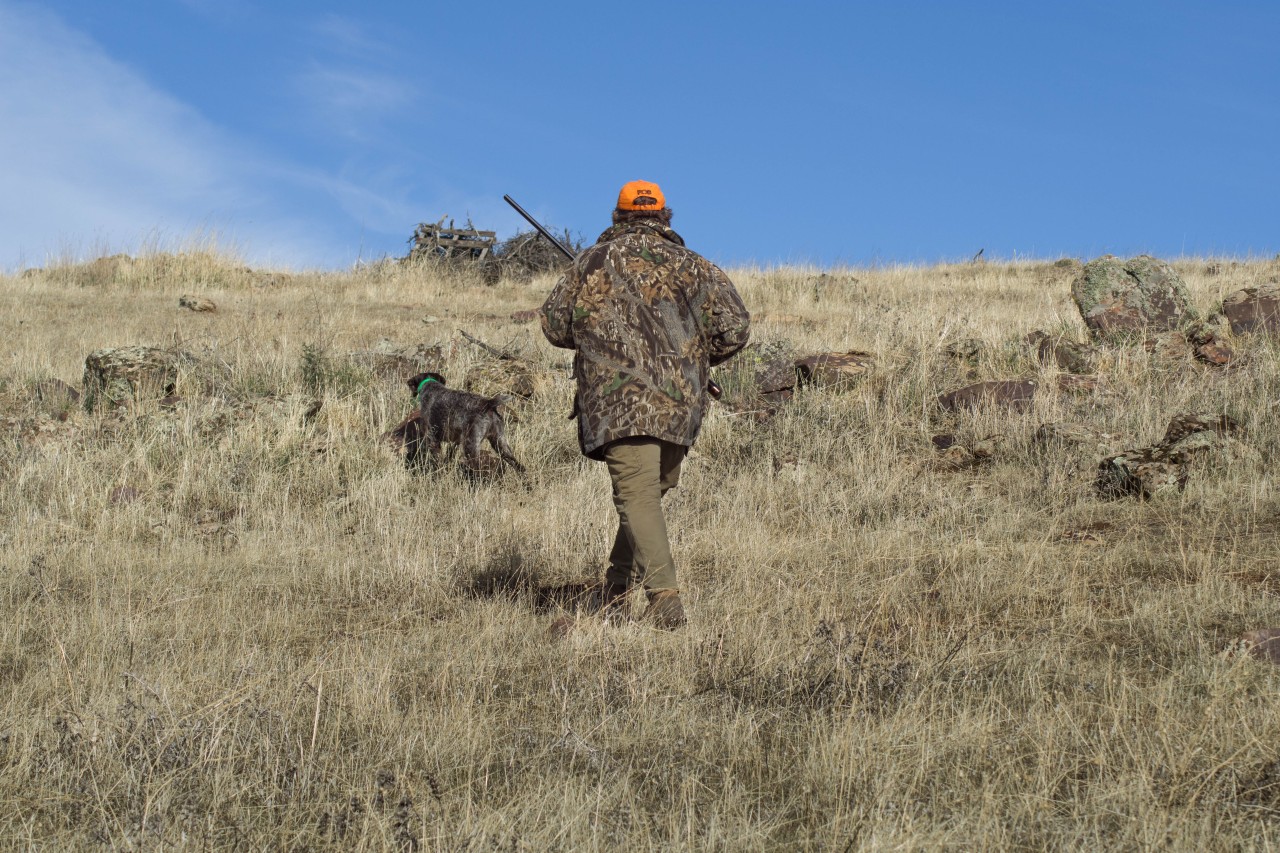
In 2015, a hunting dog was accidentally killed in Germany. He sustained serious gunshot injuries during a wild boar drive hunt.
No recreational hunter comes forward
Recreational hunters found the severely injured dog 650 metres away from the nearest posted wildlife killers. Since the dog's owner had a legal right to financial compensation, no recreational hunter voluntarily admitted to being responsible for the dog's death.
During an emergency operation, however, the veterinarian found wild boar hairs in the dog's wound. This suggested that the bullet had first struck a wild boar and then the dog. An innovative research study describes how cutting-edge techniques were used.
Finding the culprit through genetic profiling
The researchers collected the wild boar hairs along with muscle samples from the 19 wild boars that had been killed that day. They were able to successfully match the hair DNA sample with one of the 19 wild boar tissue samples — with 99.97% certainty.
Potential for prosecuting wildlife crimes
Similar to human cases, individual-specific genetic profiling in wildlife forensics can be a powerful tool for solving wildlife crimes.
More on the subject of recreational hunting: In the dossier Poaching and hunting crime in Switzerland we document cases, legal questions and recurring patterns. What the research says about this is shown by Hunting fact-checked: the state of research.
The position of IG Wild beim Wild: IG Wild beim Wild rejects recreational hunting. Our model is the canton of Geneva, which has managed without recreational hunting since 1974: without hunting seasons, without hunting dogs, without driven hunts, without high seats, without the animal cruelty and crime that go hand in hand with hunting season elsewhere. What has worked there for over fifty years disproves every position paper by JagdSchweiz. An association that bases its policy on claims it refutes in its own documents is not a professional organisation, but a factory for misinformation.