What is plant-based meat made of?
Plant-based meat is made from soy, peas, wheat, or mushrooms. Beyond Meat and Impossible Foods are driving innovation forward.

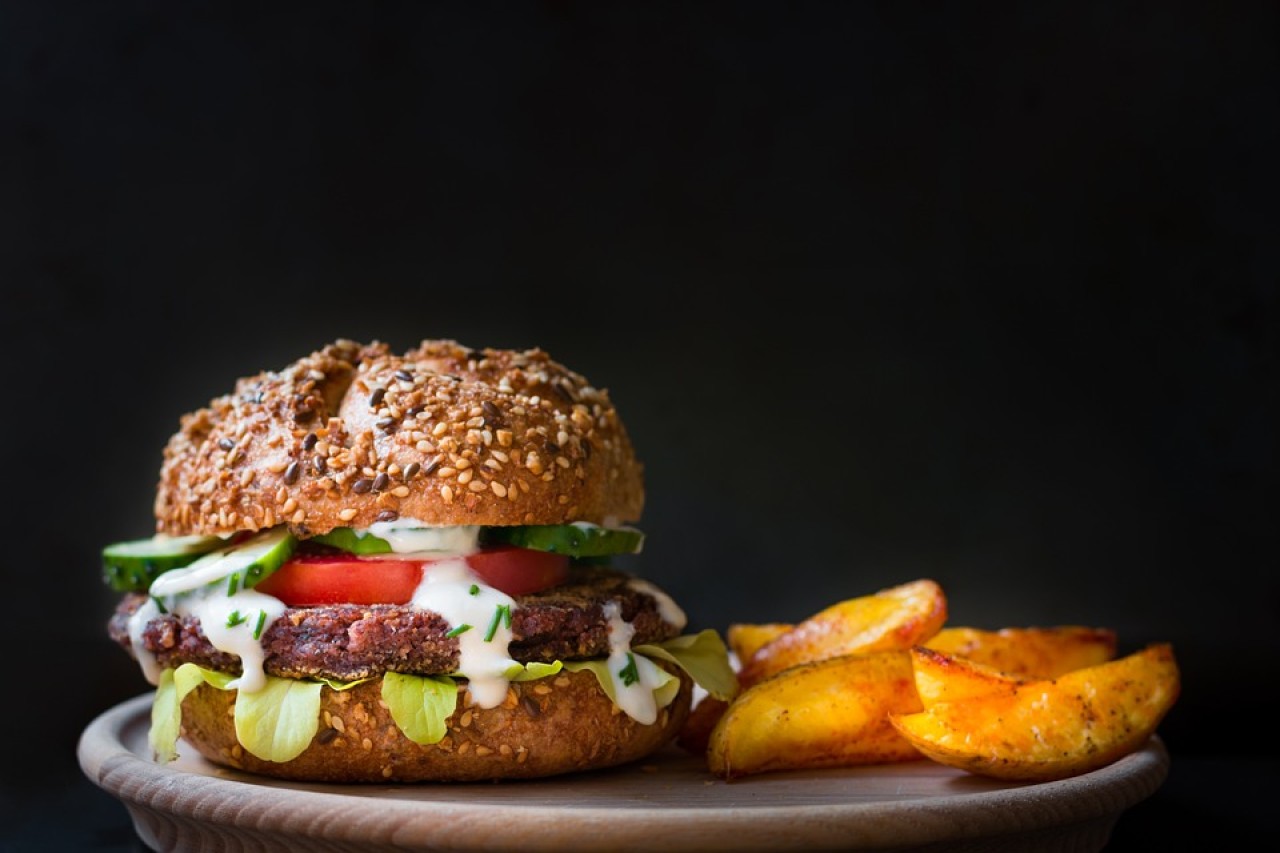
The plant-based lifestyle has developed into one of the trendiest, healthiest, and most environmentally conscious ways of living.
This is due in part to the many innovations in plant-based meat alternatives, which are said to taste and behave just like “real meat.” But the recent popularity of burgers from companies such as Beyond Meat and Impossible Foods has prompted many curious onlookers to ask: what is plant-based meat actually made of?
What is plant-based meat made of?
According to Nestlé Professional the plant-based meat varieties available on the market are typically made from soy, peas, beans, mushrooms, mung beans, or wheat gluten (also known as seitan). The “most advanced” plant-based meats are often a blend of several of these proteins, and many contain natural pigments to make the meat appear red and brown. Plant oils are often added to make the meat juicy, to give it flavour, or to achieve the appearance of marbled fat.
Vegan binders are usually added to the mixture, along with a selection of nuts, seeds, or vegetables. Nutritional yeast can be added to achieve a meatier, more pronounced umami flavour. Many plant-based meats also contain vitamins such as B12, iron, and zinc, which are otherwise found only in animal sources.
Soy
Tofu, tempeh, and other soy derivatives are commonly used in plant-based meat. Fully formed tofu has a very distinctive texture, which is why it is often used only as a secondary ingredient in plant-based meat. Tempeh is the preferred soy product, as it has a more meat-like consistency. Tempeh also pairs well with certain nut-based sauces, which can facilitate integration with meatier flavours.
Seitan
Seitan, also known as wheat gluten, has a savory, albeit extraordinarily mild flavor that many people feel tastes very much like chicken. But seitan is usually not chosen for its taste, but rather for its fairly meaty texture.
Beans and Mushrooms
Most readers are probably familiar with portobello burgers or black bean burgers as original vegetarian menu options, but some companies also use these plant-based protein sources as fillers in their plant-based meat products. In fact, these natural plant proteins are among the healthier options.
Coconut Oil
Coconut oil is a natural fat. It is often cited as one of the additional oils that plant-based meat manufacturers use to create the melt-in-your-mouth fats typically found in grilled or caramelized meat.
However, plant-based meats that contain the usual 20 grams of saturated fat from coconut oil are not particularly healthy. That is 7 grams more saturated fat than the recommended daily allowance. But the fats in animal meat are not exactly healthy either.
Nutritional Yeast
Other additives such as yeast extract or nutritional yeast are often added to plant-based meat to create an animal or umami flavor. Yeast extract also has the added benefit of contributing vitamin B12 to plant-based meat.
Beyond and Impossible Burgers
For common plant-based meat products such as Beyond or Impossible products, the answer to this question is somewhat more complex. According to Beyond Meat, the Beyond Burger consists of a blend of pea, mung bean, fava bean, and brown rice protein, as well as cocoa butter, coconut oil, and canola oil.
Beyond Burgers also contain minerals such as calcium, iron, salt, and potassium chloride, as well as beet juice extract, apple extract, and other natural flavors. The result is a product that looks, feels, and often tastes like real meat, but without animal suffering. These innovations are so delicious that they could perhaps be the key to widespread veganism, which would ultimately benefit the climate and our conscience.
How healthy are processed plant-based foods?
The term ‘processed food’ is generally perceived as negative. However, food is processed for many reasons, including to make raw ingredients safer, more palatable, and easier to digest. Processing food can also minimise food safety risks, reduce food waste, extend shelf life, and increase the bioavailability of nutrients.
Finally, processing can also increase the nutritional value of food. In the case of plant-based meat alternatives, it is the processes that make it possible to achieve an extremely palatable texture, good flavour, and a wide variety. Without advances in food technology, it would not be possible to offer a nutritional profile and experience so similar to that of meat, writes Nestlé.
| You can help all animals and our planet with compassion. Choose empathy on your plate and in your glass. Go vegan. |