Pesticides threaten biodiversity in Switzerland
Pesticides are omnipresent in Switzerland. Limit values for water bodies are repeatedly exceeded. Insect-eating birds have declined by 60%.
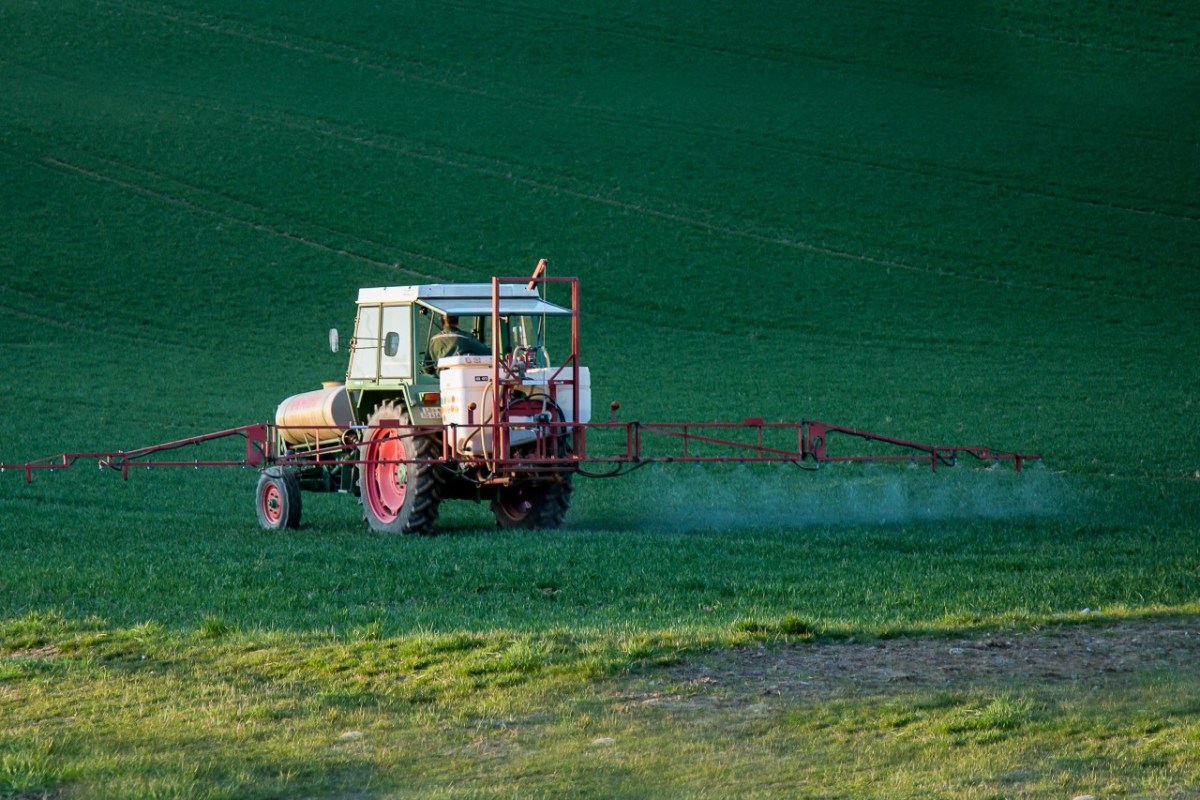
Pesticides are omnipresent in Switzerland, burden the environment and endanger Biodiversity.
Legally mandated water quality requirements are often exceeded, in some cases almost continuously, as a new fact sheet from the Swiss Biodiversity Forum of the Swiss Academy of Sciences shows. The researchers specifically analysed the impacts of pesticide use on the environment, biodiversity and ecosystem services in Switzerland and set out possible courses of action for politics and society.
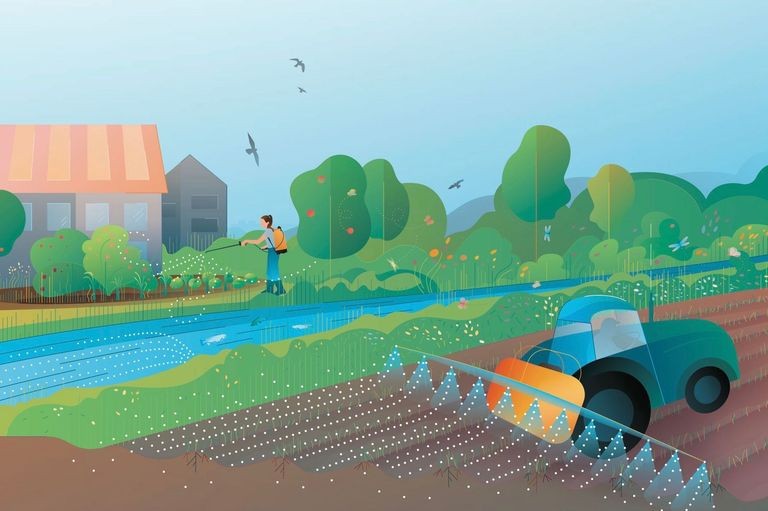
Direct and indirect poisoning
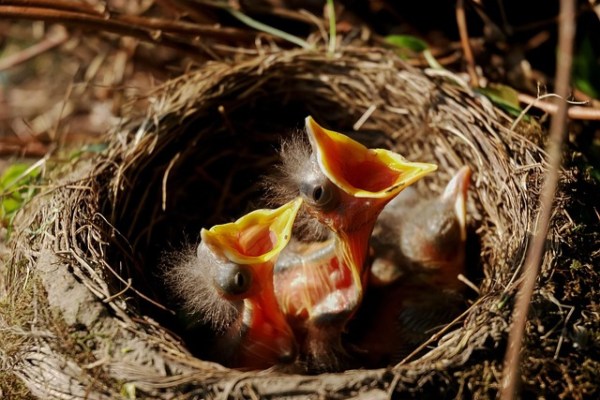
Pesticide use as it currently takes place in Switzerland causes considerable, well-documented environmental harm. Pesticides are one of the main causes of the decline in the diversity and abundance of arable wild plants and insects. As a consequence, birds are also affected. In Switzerland, for example, the population of insect-eating bird species of farmland shrank by 60% in just 30 years, with pesticides being one of several causes. Pesticides can directly poison organisms, including those that are not meant to be targeted. Many aquatic organisms, for example, are severely affected. However, the harmful effects are often indirect, for instance because the food supply shrinks or habitats are impaired.
Overall, the use of pesticides poses a threat to biodiversity, and according to the authors, the undesirable effects are probably still underestimated today. According to estimates, this gives rise to external costs in various areas on the order of several hundred million Swiss francs per year.
Pesticide use in agricultural and residential areas
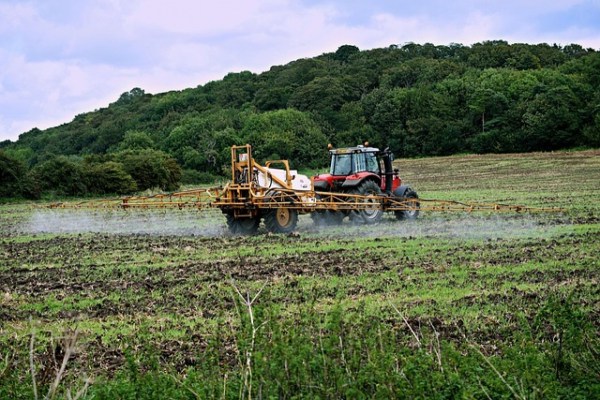
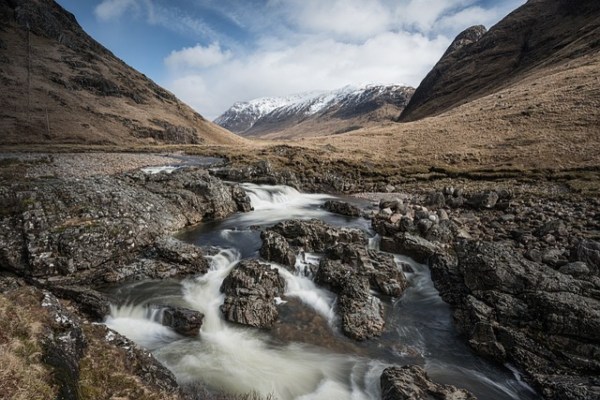
Pesticides are used mainly in agriculture, but also in built-up areas. As plant protection products, they serve to reduce losses in yield or quality. Pesticides are omnipresent in Switzerland. In water bodies, the statutory requirements and other defined environmental quality criteria are frequently exceeded, and in certain small streams almost continuously. This applies not only to individual active substances, but often to several at the same time or in succession, which amplifies the effects on organisms. Pesticides are present in almost all soils in arable farming areas, including in biodiversity promotion areas. For soils, however, there are no legally defined maximum values.
Political action needed
The use of pesticides is widely debated in Switzerland, as political initiatives by the Federal Council, Parliament and initiative committees show. If the legal requirements are to be met and the impairment of the environment and biodiversity reduced, it is essential to cut pesticide use and emissions, say the researchers, who also outline possible courses of action.
The fact sheet “Pesticides: impacts on the environment, biodiversity and ecosystem services” looks specifically at the effects of pesticides on the environment, biodiversity and ecosystem services. It does not address, for example, the importance of pesticides in agricultural production or the effects on human health.
Do you have a tip, a source or a correction for this article? Write to us.
Seen something yourself?
A driven hunt next to a hiking trail, a shot fired near houses, a trap in the forest or an injured wild animal: report it to the Recreational Hunter Radar. We check every tip-off and treat your details confidentially.
More on the subject of recreational hunting: In our dossiers on recreational hunting gather fact-checks, analyses and background reports. What the research says about this is shown by Hunting fact-checked: the state of research.
The position of IG Wild beim Wild: IG Wild beim Wild rejects recreational hunting. Our model is the canton of Geneva, which has managed without recreational hunting since 1974: without hunting seasons, without hunting dogs, without driven hunts, without high seats, without the animal cruelty and crime that go hand in hand with hunting season elsewhere. What has worked there for over fifty years disproves every position paper by JagdSchweiz. An association that bases its policy on claims it refutes in its own documents is not a professional organisation, but a factory for misinformation.
Wild animals need a voice
Investigations, petitions and background on recreational hunting. As a thank-you, you will immediately receive our free guide «Recreational hunting on your doorstep: what you can do».
Support our work
With your donation you help protect animals and give their voice a hearing.
Donate now →