USA: Wolf population remains stable despite hunting ban
A wolf survey in Michigan shows: the population remains stable even without hunting. The results refute the necessity of recreational hunting.


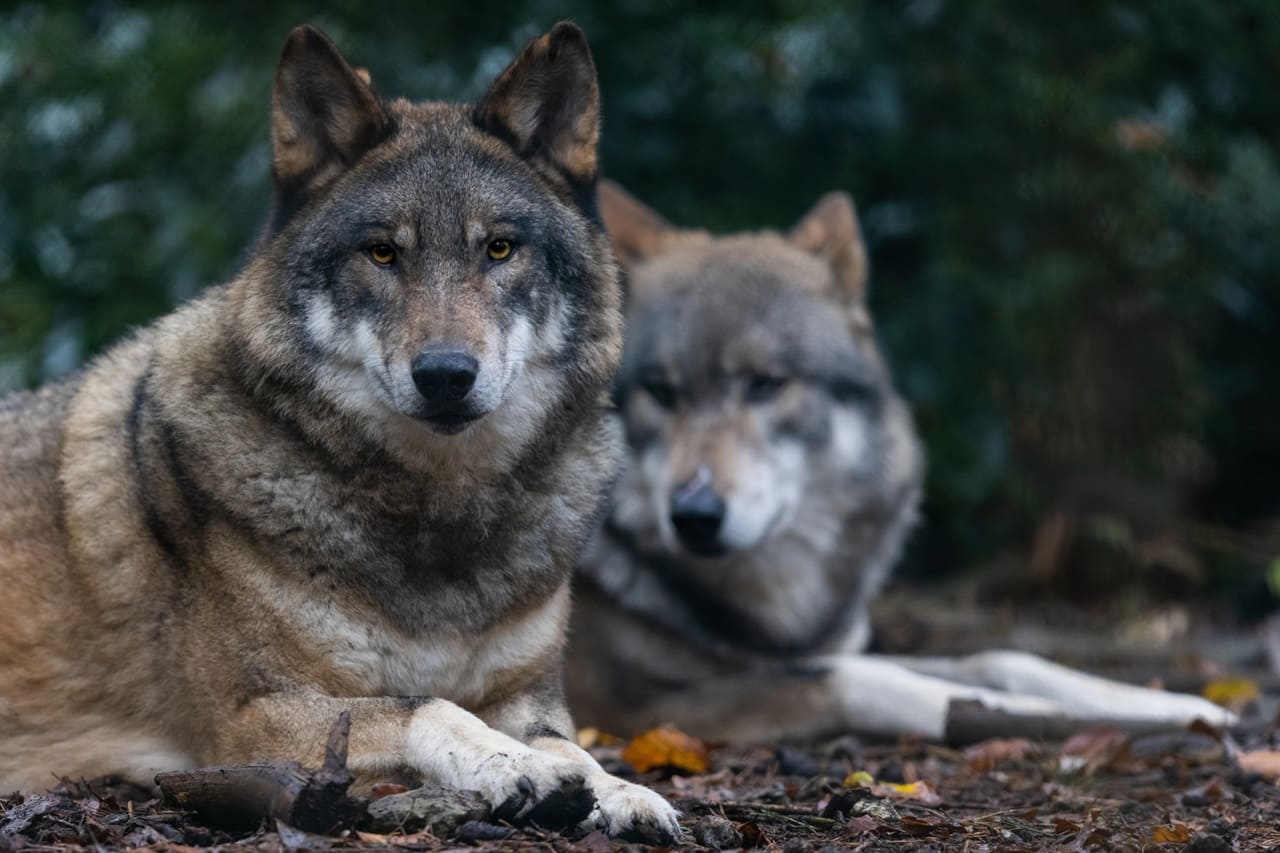
631 Wolves in Michigan
Wildlife biologists from the Michigan Department of Natural Resources published the results of the latest wolf survey in Michigan on 17 January 2023.
The survey, conducted in early 2022, shows that the wolf population on the Upper Peninsula remains stable, as it has for more than a decade.
«These results show a continuing trend of statistical stability, suggesting that gray wolves may have reached their biological carrying capacity on the Upper Peninsula,» said Cody Norton, the MDNR’s wolf specialist.
The minimum population estimate from the 2022 survey stands at 631 wolves, plus/minus 49 wolves. A total of 136 packs were estimated, with an average of 4.5 individuals per pack. «All estimates since 2011 have not differed statistically,» said Norton. The recreational hunting as population control is not necessary.
Trending results
The wolf population on the Upper Peninsula grew largely continuously from 1989 to 2011. Since 2011, the minimum estimate has remained stable, fluctuating between 618 and 695.
Change in legal status
The legal status of wolves has changed multiple times at both the federal and state level. Regardless of these changes, wolves in Michigan have exceeded federal and state recovery goals for 22 years.
Gray wolves are currently listed on the federal list of threatened and endangered species. Consequently, they may not be legally killed unless in defense of human life. More on the topic of wolf protection and wildlife.
| You can help all animals and our planet with compassion. Choose compassion on your plate and in your glass. Go vegan. |
More on the subject of recreational hunting: In the dossier The Role and Criticism of Recreational Hunters we shed light on the training, power and self-image of recreational hunters. The scientific evidence is presented in the overview Studies on the Effects of Recreational Hunting.
The position of IG Wild beim Wild: IG Wild beim Wild rejects recreational hunting. Our model is the canton of Geneva, which has managed without recreational hunting since 1974: without hunting seasons, without hunting dogs, without driven hunts, without high seats, without the animal cruelty and crime that go hand in hand with hunting season elsewhere. What has worked there for over fifty years disproves every position paper by JagdSchweiz. An association that bases its policy on claims it refutes in its own documents is not a professional organisation, but a factory for misinformation.