Wildlife trade promotes zoonoses
The trade in wild animals promotes zoonoses. The coronavirus SARS-CoV-2 was very likely transmitted from wild animals to humans.


Zoonoses as a global threat
Recognised experts such as virologist Christian Drosten have declared the end of the Covid-19 pandemic, yet the danger of further so-called zoonoses remains.
The coronavirus SARS-CoV-2, very likely transmitted from wild animals to humans, has demonstrated the devastating consequences such viruses can have for people. Key causes for the outbreak of zoonotic diseases are the advancing encroachment of humans into wild animal habitats and the exploitative trade in wild animals.
«The trade in wild animals and wildlife products, as well as the ongoing destruction of their habitats, poses an enormous threat to the health of both animals and humans,» says Robert Kless, head of IFAW Germany. «We must think and act according to the One Health principle: protecting wild animals and their habitats is also protecting humans from a new pandemic with similar or perhaps even worse consequences than the COVID-19 pandemic.»
70 percent of infectious diseases are zoonoses
Zoonoses pose a major threat to humans: in total, more than 70% of newly emerging infectious diseases are zoonoses, meaning they were triggered by the transmission of a virus from the animal kingdom to humans.
Further examples include SARS, MERS, Ebola, TBE, HIV, as well as avian and swine flu. Science assumes that approximately 1.7 million as yet unidentified viruses still exist, of which roughly half have zoonotic potential and could be transmitted to humans.
EU action plan against illegal wildlife trade
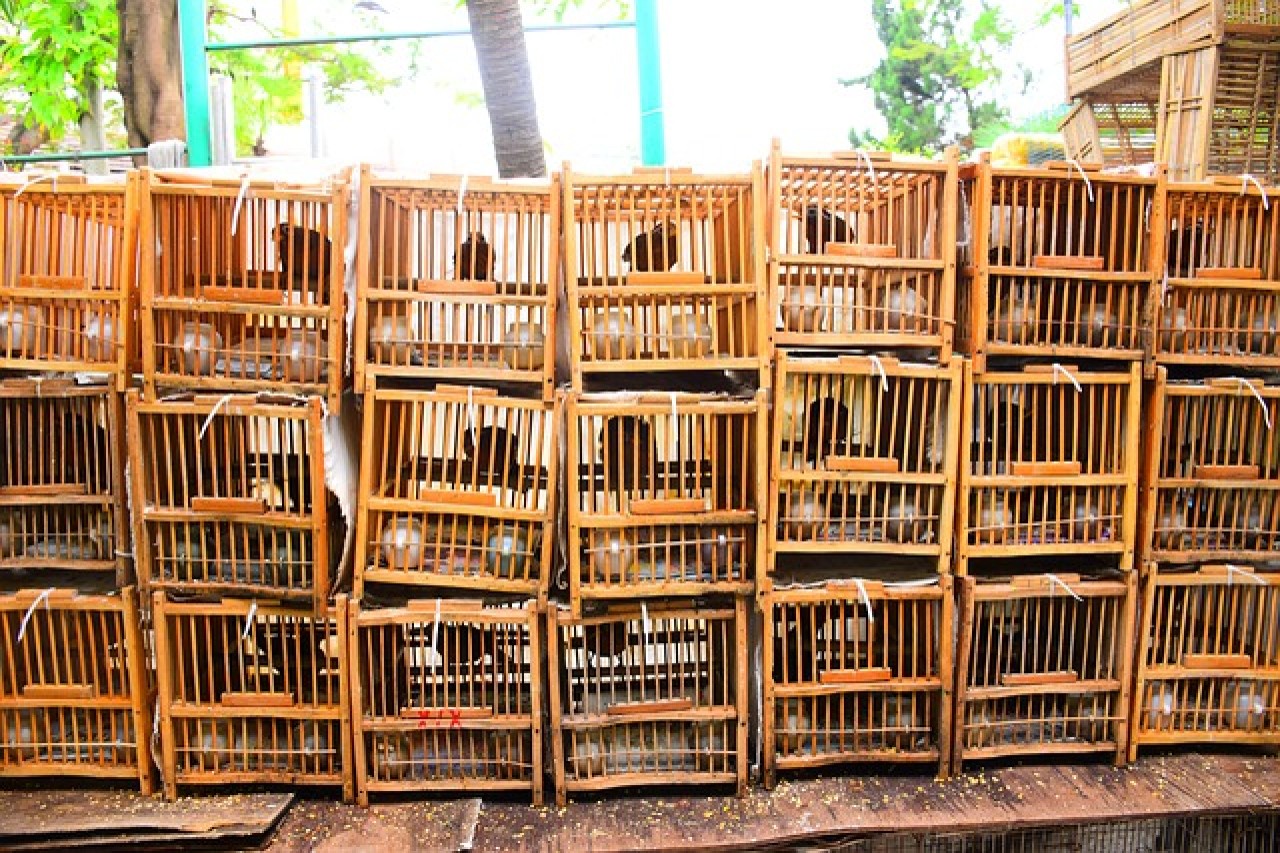
The EU plays a crucial role in combating the illegal trade in wild animals. EU member states are important import or transit countries for exotic pets and wildlife products. To combat this trade effectively, the EU and European law enforcement authorities must give greater weight to the areas of wildlife crime and international cooperation between authorities. The new EU Action Plan against illegal wildlife trade, adopted by the EU Commission in 2022, must be implemented conscientiously.
In addition to these efforts, the EU and its member states must work to reduce demand for all wild animals and products made from them, regardless of whether these are traded legally or illegally. Consumer awareness of the negative impacts of this cruel trade must be raised and must lead to a more responsible approach to wild animals.
| You can help all animals and our planet with compassion. Choose compassion on your plate and in your glass. Go vegan. |