Calves as Waste: The Dark Side of Milk
A recent article in the NZZ «Too many calves are being born – we dispose of them like rubbish» brings to light what is not written on the advertising poster.

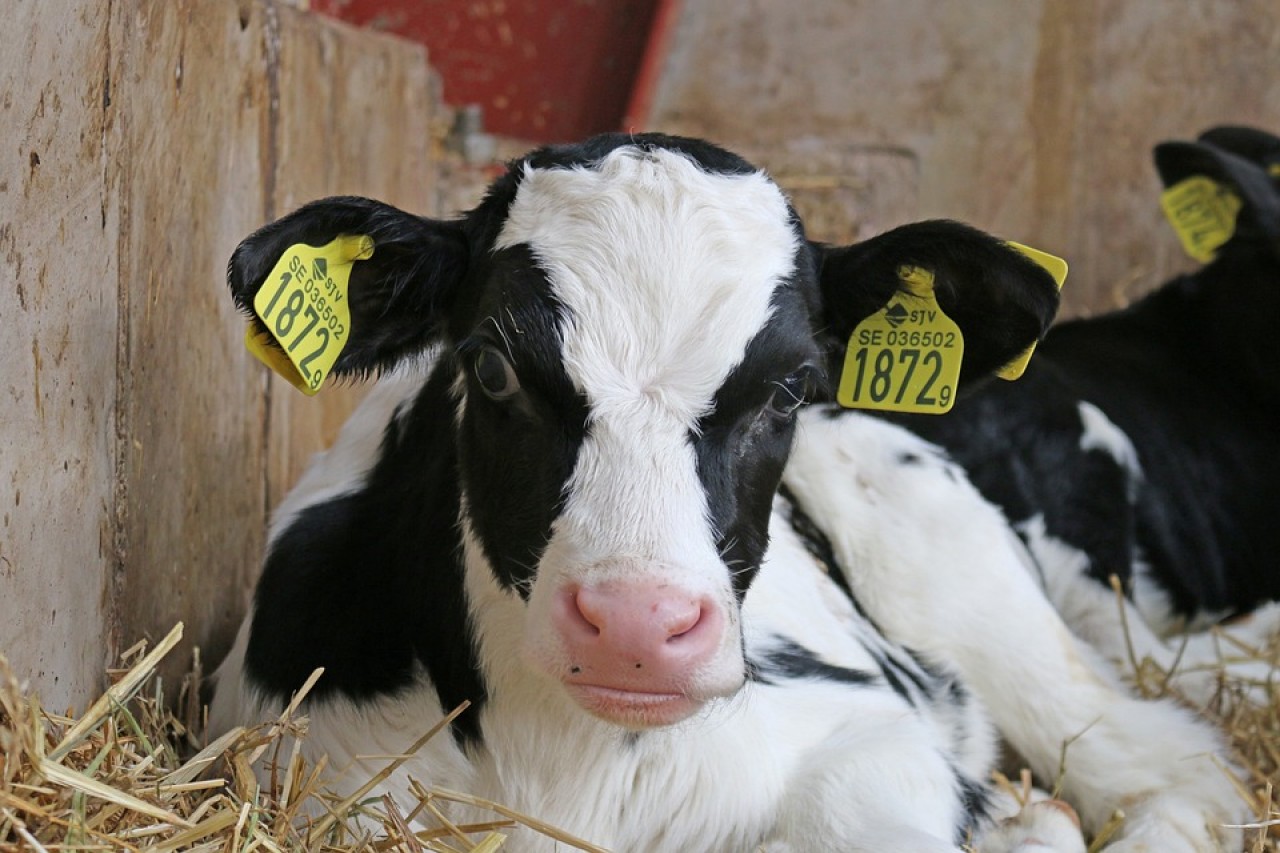
What the NZZ reveals about milk production is no wholehearted pleasure.
«Due to high milk consumption, many calves must be born. But nobody wants them. They are treated poorly or simply killed», writes the NZZ.
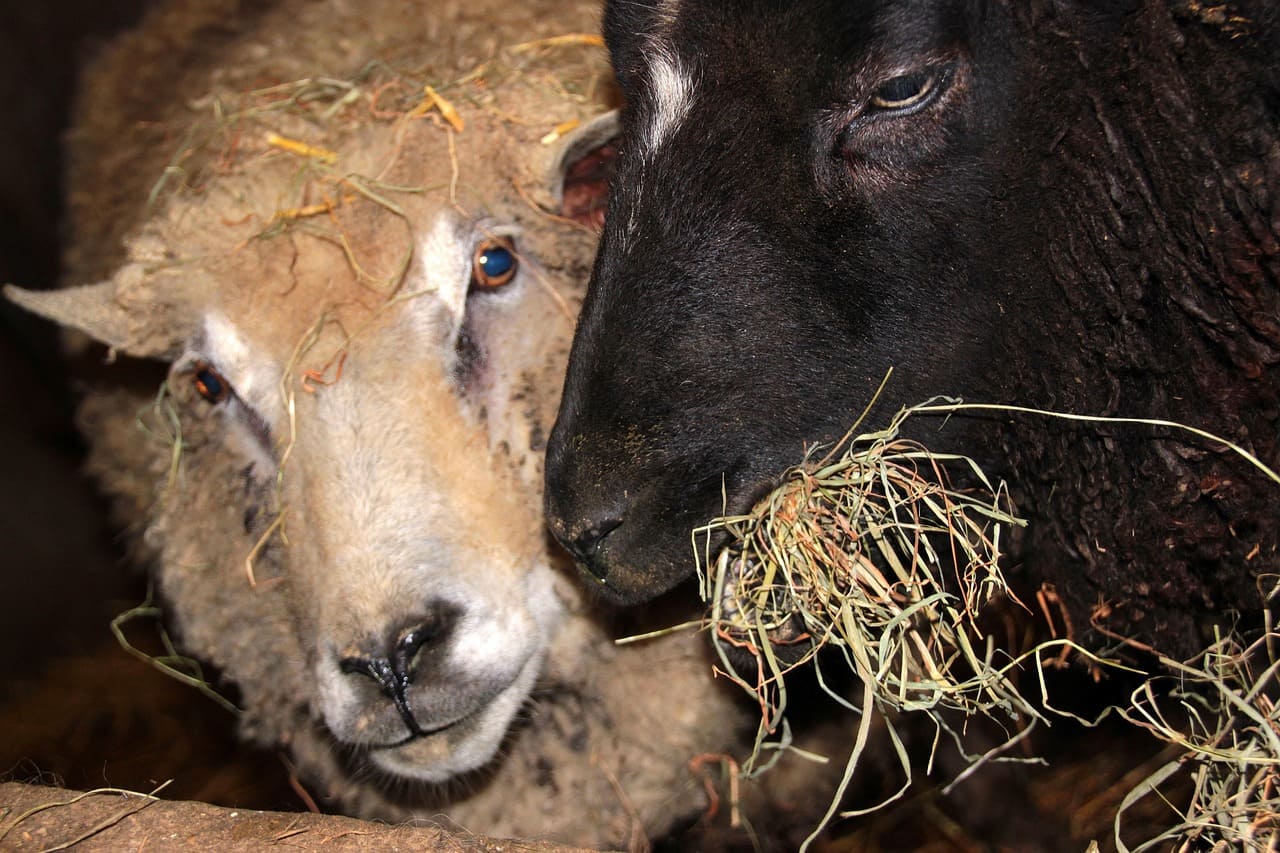
Calves are disappearing – but where to? Into sausages and döner kebab, and apparently nobody really wants to know the details. Some go into cattle breeding. There is also pet food containing veal. Iris Baumgärtner from the organisation Animal Welfare Foundation levels a serious accusation against this practice: «Newborns are killed illegally, at least in individual cases, by being beaten to death. We have not yet been able to film this. But just recently an apprentice who trained on a dairy farm reported it to me again.»
The advertising poster also conceals the fact that nowhere else in Europe are dairy cows injected with as many antibiotics into their udders as in Switzerland. Through liquid manure and dung, antibiotic-resistant bacteria end up in the fields and thus in our food, in our waterways and in our drinking water. These bacteria have been declared by the Federal Expert Committee for Biological Safety to be the «greatest threat to the health of the Swiss population.»
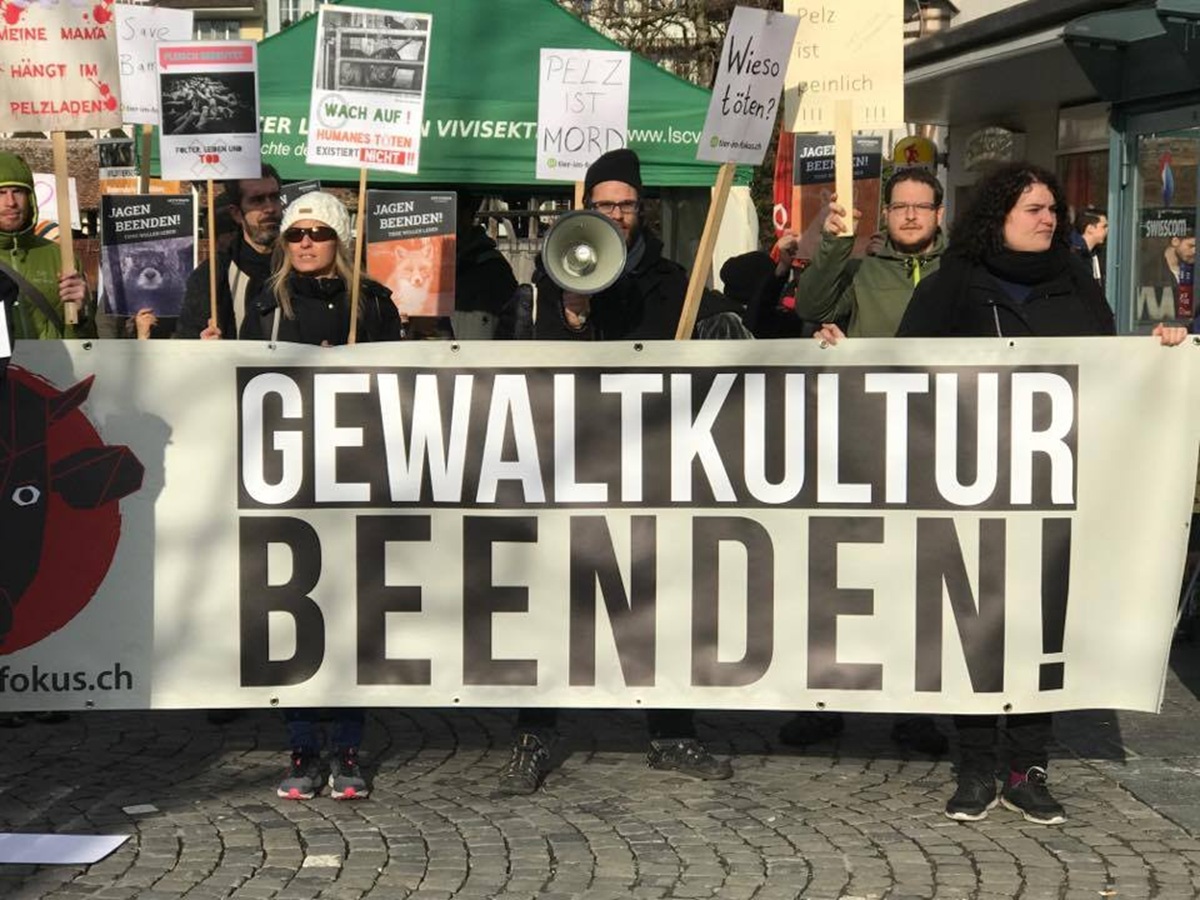
With the Initiative «For Safe Nutrition» we are working to reorient agriculture and the food industry towards more plant-based rather than animal-based foods – for animal welfare, the environment, health and our food security.
Today the federal government promotes the production and consumption of animal-based foods 5 times more than plant-based ones: with 2.3 billion compared to 0.5 billion francs.
Source: NZZ
| You can help all animals and our planet with compassion. Choose empathy on your plate and in your glass. Go vegan. |
More on the subject of recreational hunting: The scientific evidence is presented in the overview Studies on the Effects of Recreational Hunting.
The position of IG Wild beim Wild: IG Wild beim Wild rejects recreational hunting. Our model is the canton of Geneva, which has managed without recreational hunting since 1974: without hunting seasons, without hunting dogs, without driven hunts, without high seats, without the animal cruelty and crime that go hand in hand with hunting season elsewhere. What has worked there for over fifty years disproves every position paper by JagdSchweiz. An association that bases its policy on claims it refutes in its own documents is not a professional organisation, but a factory for misinformation.