Thuringian Farmers’ Association complains of mouse plague
Foxes as natural enemies of mice make the use of poison unnecessary.

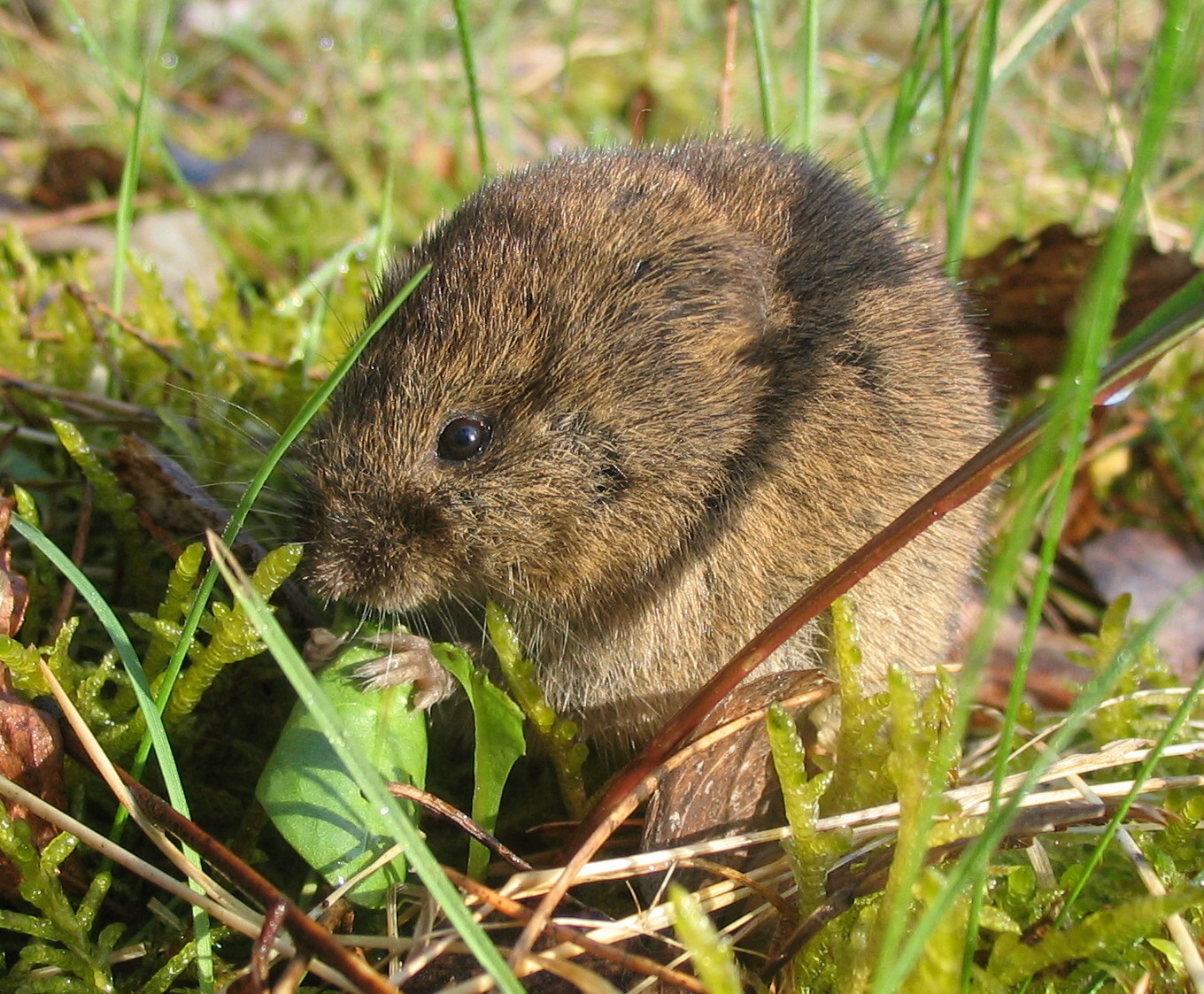
Every fox counts: According to a media report, the Farmers’ Association is declaring field mice in Thuringia a full-blown “plague.”
The association now sees the solution in deeper soil cultivation and is also pushing for an exemption permit to use poison bait against the «mouse plague».
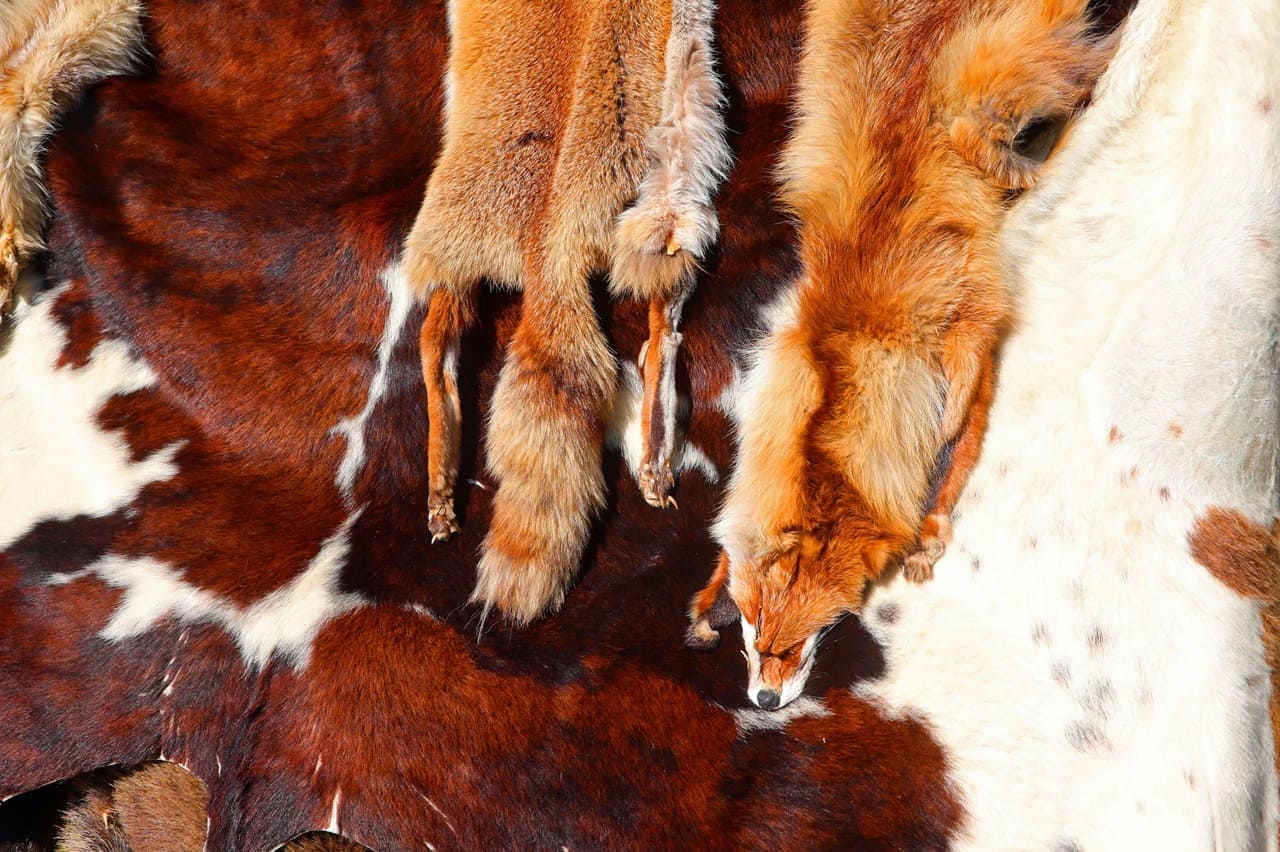
PETA sharply criticises this approach and is now calling on the Thuringian Ministry of Agriculture to instead ban fox hunting throughout the entire federal state. Because a halt to fox hunting is the best measure: According to research, each fox feeds on around 3,000 to 5,000 mice per year. Recreational hunters, on the other hand, relentlessly pursue these useful animals because they regard them as living targets or as competitors. In Thuringia alone, hunters killed more than 13,000 foxes in the 2018/2019 hunting year.
“From an ecological and ethical perspective, it is unacceptable to persist with the pointless recreational hunting of foxes. On top of that, it would be negligent to also lay out poison bait that can kill other natural enemies of mice — such as birds of prey — and that also poisons the soil and groundwater,” said Nadja Michler, wildlife policy expert at PETA.
Background information on the «mouse plague»
The Farmers’ Association cites drought as the reason for the “mouse plague.” According to the Thuringian Ministry of Agriculture, rainfall regulates the mouse population, as water enters their burrows and the animals drown. PETA warns against the planned use of poison and calls for natural enemies of the rodents to be promoted instead.
From a population biology perspective, foxes and birds of prey alone cannot keep a large mouse population in check. However, several forestry research institutes emphasize that by protecting foxes and other predators, an excessive proliferation of mice in forests can be delayed or prevented.
The Göhrde Forestry Office has also largely suspended fox hunting since 2019 in order to protect the natural predators of mice. Between 2015 and 2018, according to the German Federal Environment Agency, approximately between one hundred and several hundred tonnes of so-called rodenticides (chemical poisons) were used annually in agriculture in Germany. Currently, around ten different toxic substances are approved.
Across Germany, recreational hunters kill over 400,000 foxes every year. In Thuringia, the animals are hunted year-round. Hunters pursue them with traps, rifles, and den hunting. Wounded animals frequently flee with open wounds or die slowly and agonizingly in traps. Yet foxes do not only feed on mice — which farmers dislike — they also ensure the survival of their prey species by catching weak and sick animals, thereby immediately eliminating sources of disease.
Hunting associations most commonly argue that foxes threaten the populations of certain small game species, such as partridges and hares. However, experts agree that the drastic population declines of affected species are attributable to industrialized agriculture and the associated loss of habitat. Added to this is the fact that recreational hunters in Germany themselves kill around 190,000 brown hares every year.
In Luxembourg, fox hunting has been banned since April 2015. PETA is calling for a nationwide ban on fox hunting in Germany as well and has launched a corresponding petition — because there is no reason to hunt these wild animals, either from a wildlife biology or a public health perspective.
„“Hunters deliberately give foxes a bad image in order to continue pursuing their bloody hobby,” says Michler. The concerns about predators that are still sometimes expressed are based on assumptions that have long since been disproven.
Germany has been free of terrestrial rabies since 2008, and the fox tapeworm is among the rarest parasitic infections in Europe. Fox hunting also has no regulatory or reducing effect on the population, because losses are quickly offset by immigration and rising birth rates. Fox populations regulate themselves through social structures, food availability, and disease.
The mouse plague can therefore also be attributed to recreational hunting.
More on the subject of recreational hunting: In our dossiers on the criticism of recreational hunting gather fact-checks, analyses and background reports. What the research says about this is shown by Hunting fact-checked: the state of research.
The position of IG Wild beim Wild: IG Wild beim Wild rejects recreational hunting. Our model is the canton of Geneva, which has managed without recreational hunting since 1974: without hunting seasons, without hunting dogs, without driven hunts, without high seats, without the animal cruelty and crime that go hand in hand with hunting season elsewhere. What has worked there for over fifty years disproves every position paper by JagdSchweiz. An association that bases its policy on claims it refutes in its own documents is not a professional organisation, but a factory for misinformation.