Rome: The Wolf Returns After 100 Years
After 100 years of absence, the wolf has found its way back home – to Rome. Once feared, hunted, and nearly wiped out, wolves are returning to Rome, a city of 2.8 million inhabitants. Scientists have managed to photograph two young wolves in the Castel di Guido nature reserve. The two young wolves are the first offspring of Numa and


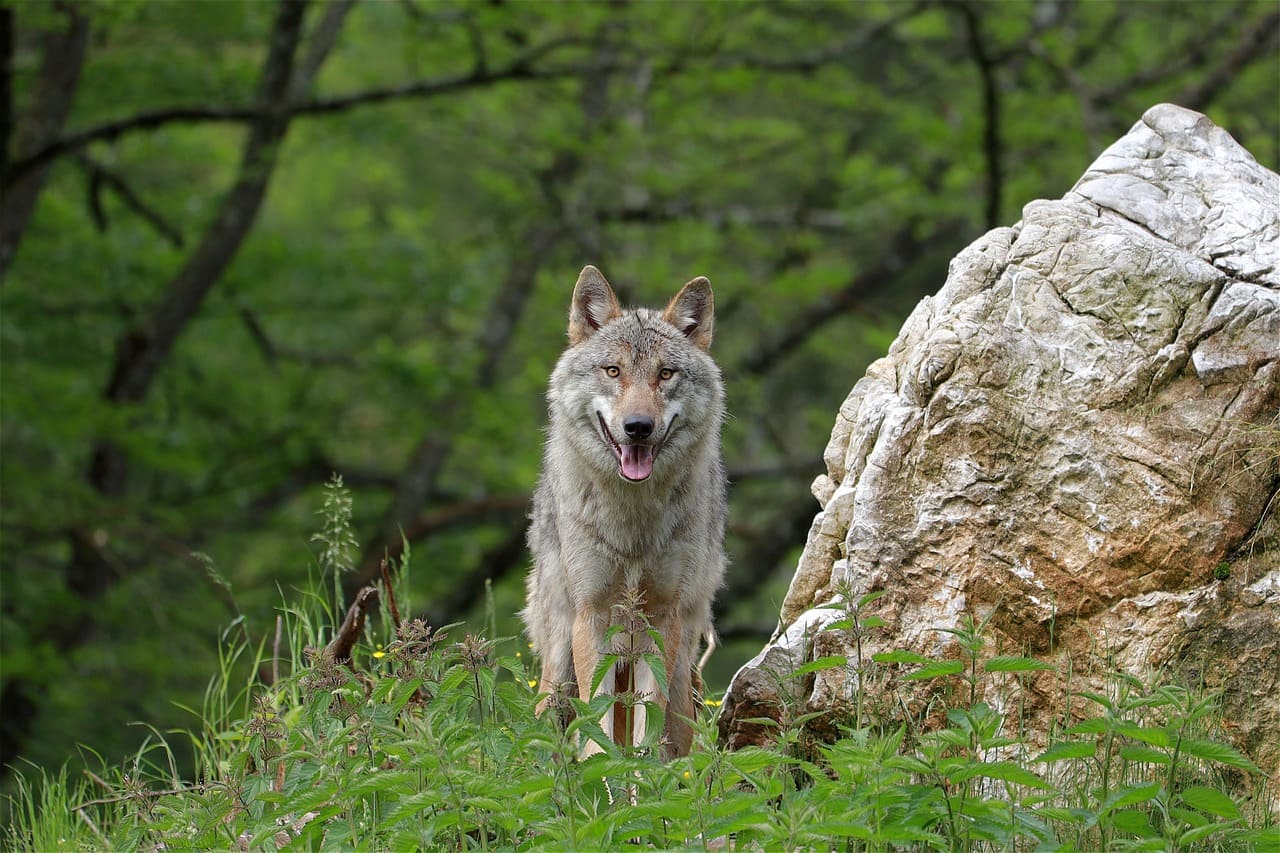
After 100 years of absence, the wolf has found its way back home – to Rome. Once feared, hunted, and nearly wiped out, wolves are returning to Rome, a city of 2.8 million inhabitants. Scientists have managed to photograph two young wolves in the Castel di Guido nature reserve. The two young wolves are the first offspring of Numa and Aurelia, the first stable wolf pack in Rome. Numa, named after the second king of ancient Rome, has “lived” in Rome since 2014. In 2016, he found his mate Aurelia. At least four wolves now live in an area between a major airport, a motorway, and the Mediterranean coast. In just a few decades, the Italian wolf population has developed from near extinction into a stable species. In every region of Italy (excluding Sicily and Sardinia) there is already at least one wolf pack.
«This incredible news is spreading rapidly around the world,» says Alessia De Lorenzis.
The wolf in urban areas: Rome and Milan
In 2013, researchers found the first evidence of the presence of wolves in Castel di Guido, a municipality of Rome. Alessia De Lorenzis (researcher and manager of the Castel di Guido nature reserve) and her colleagues named the male wolf Romulus (Ital. Romolo). The name refers to a Roman legend in which a she-wolf suckled two human boys – Romulus and Remus – who, according to mythology, later founded Rome. With the two young wolves of Romulus and his mate, there is now a wolf pack in Rome.
Rome is not the only major Italian city welcoming the wolf. The Ticino Regional Park, in the immediate vicinity of Milan, is the last natural biological corridor between the Alps and the Apennines. A wolf has been caught there on a camera trap.
The wolves of Rome love wild boar
Good news for those worried about their livestock herds: analyses have shown that Romolus feeds exclusively on wild boar. This is a promising sign. Wild boar are widespread in this region and cause many conflicts due to agricultural damage.
Nevertheless, local authorities advise livestock owners to take appropriate protective measures to prevent wolf attacks on their animals. This can help avoid a large proportion of wolf-human conflicts.
Communication is key to protecting the wolf
All of this is great news for wolf conservation and for a balanced ecosystem. However, there are significant challenges when it comes to communication. As wolves move closer to populated areas, the number of human-wolf encounters will increase.
The assertion that the wolf poses no danger to humans is correct — but not sufficiently informative. Anti-wolf sentiment could shift from “damage to livestock” and “pets killed” to “human safety.”
«The wolf is a very flexible species when it comes to habitat, prey, and connectivity — even in densely populated areas. The only problem for the wolf is human behaviour. People’s attitudes towards the wolf are the great challenge. That is why communication is becoming ever more important in wolf conservation. New communication strategies are urgently needed.»
People must learn to live with the wolf
Wolves are returning to populated areas. But residents are not accustomed to living side by side with the wolf. It will require patience and adaptation. What coexistence and encounters between humans and wolves look like will depend greatly on the choices people make. As can be seen in many conflicts between humans and wildlife it is difficult to manage public perception. The primary challenge is creating a culture of welcome.
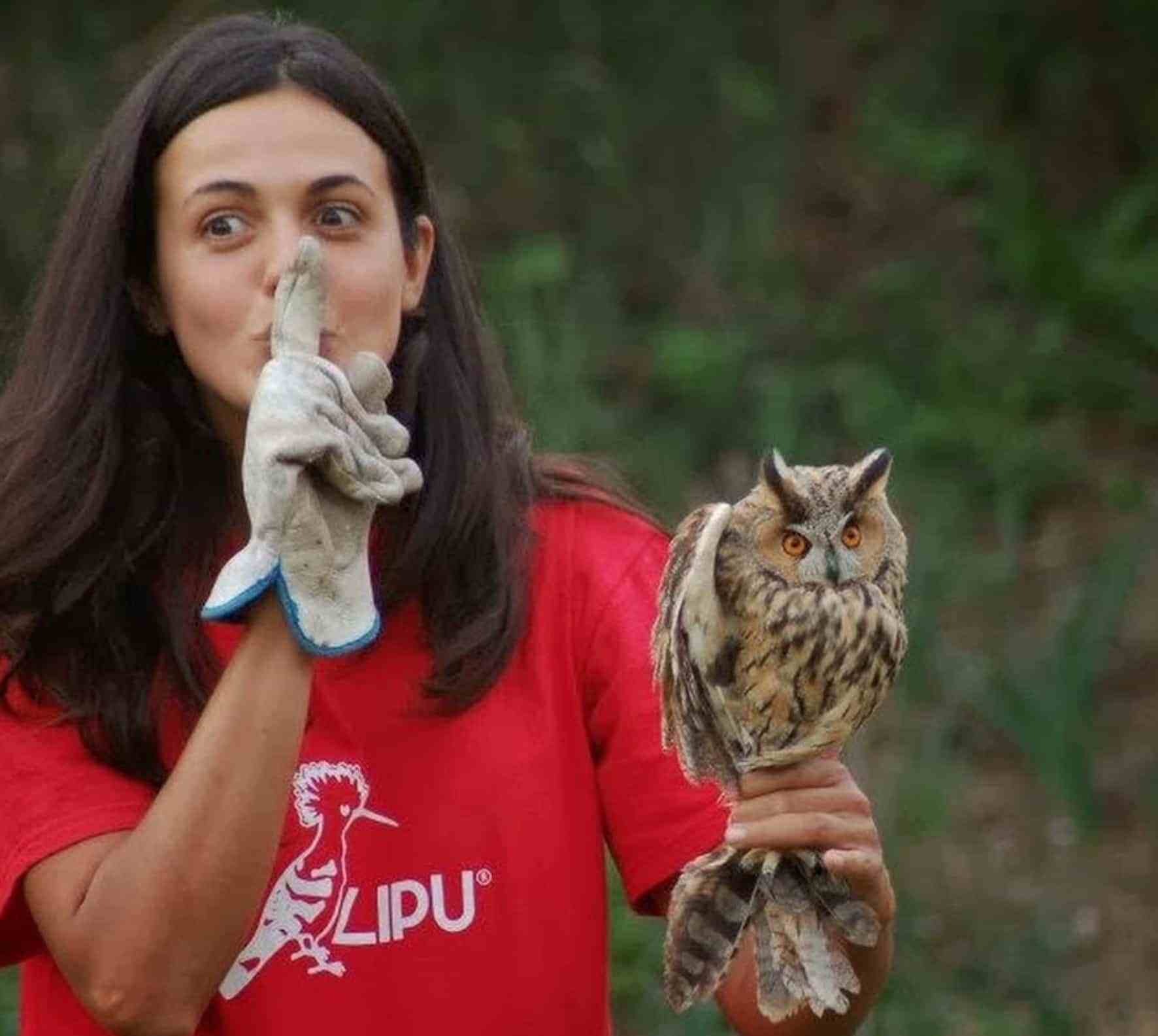
«In 2017, everyone is talking about the wolf. Yet very few have even the slightest knowledge about this species, especially in areas where the wolf has been absent for generations,» says Alessia De Lorenzis.
The situation in Italy is an important signal for all of Europe. Italy has one of the highest population densities among European countries (201 inhabitants per km²). The welcoming culture of Rome's population is therefore an example of exemplary behaviour. In Switzerland, too, such an attitude could make coexistence with the wolf easier.
The anti-wolf recreational hunters' lobby will paint a gloomy picture and torpedo the good news from Italy. They will see children and elderly people as prey for Romulus and his pack. Yes, and surely even the end of human civilisation. Let them shout and wail! Let us celebrate Italian warmth and the welcoming culture of the Italian people!
Translated from: wilderness-society.org
More on the subject of recreational hunting: In our dossiers on recreational hunting gather fact-checks, analyses and background reports. What the research says about this is shown by Hunting fact-checked: the state of research.
The position of IG Wild beim Wild: IG Wild beim Wild rejects recreational hunting. Our model is the canton of Geneva, which has managed without recreational hunting since 1974: without hunting seasons, without hunting dogs, without driven hunts, without high seats, without the animal cruelty and crime that go hand in hand with hunting season elsewhere. What has worked there for over fifty years disproves every position paper by JagdSchweiz. An association that bases its policy on claims it refutes in its own documents is not a professional organisation, but a factory for misinformation.