Eurasian Lynx: Return to England Planned
Efforts to reintroduce the lynx to England are gaining momentum.

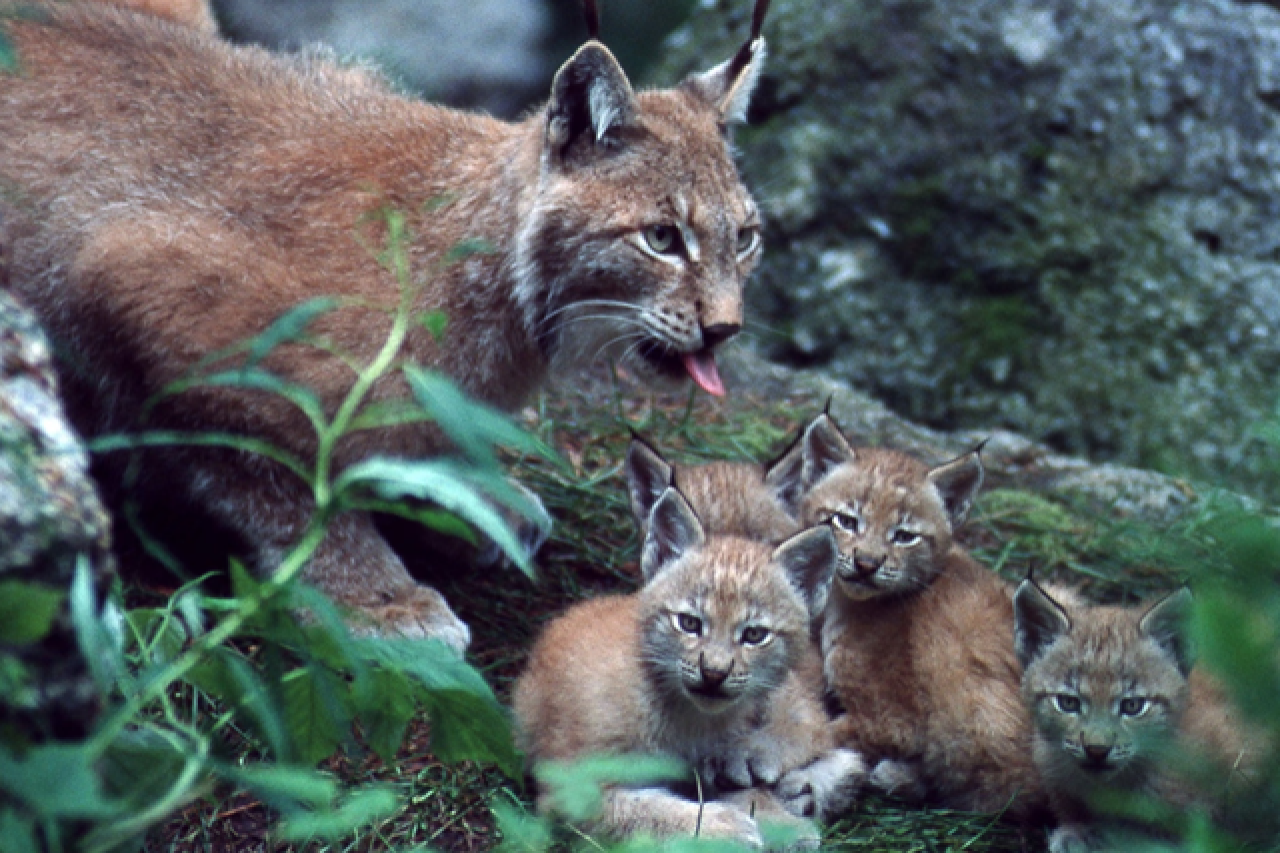
It is 1’300 years since this predator, known for maintaining the balance of ecosystems, was hunted to extinction.
England and Ireland are among the few countries in Europe where the predator Eurasian lynx no longer exists.
Like most larger native animals of England, wolves and beavers, it was hunted to extinction, in this case around 1’300 years ago, which contributed to England becoming one of the most nature-depleted countries in Europe.
The campaign to reintroduce the lynx to Kielder Forest in Northumberland is gaining momentum and anticipates a favourable reception from the Labour government, although sheep farmers, among others, may hold different views.
The lynx, which has been successfully reintroduced in four European countries while remnant populations survive elsewhere, is essentially a large cat weighing up to 25 kg, roughly the size of a Springer Spaniel. It hunts at night and would feed primarily on the surplus deer in Kielder Forest, but also hunt and eat foxes, hares and rabbits. They are widely regarded as excellently suited to maintaining a healthy ecosystem in balance.
The irony of such reintroductions is that lynx dramatically boost tourism, as visitors hope to catch sight of the wild cat. However, since the animals are so elusive that they must be fitted with tracking collars before release in order to determine where they have disappeared to, this is unlikely.
More on the subject of recreational hunting: In our dossiers on recreational hunting gather fact-checks, analyses and background reports. What the research says about this is shown by Hunting fact-checked: the state of research.
The position of IG Wild beim Wild: IG Wild beim Wild rejects recreational hunting. Our model is the canton of Geneva, which has managed without recreational hunting since 1974: without hunting seasons, without hunting dogs, without driven hunts, without high seats, without the animal cruelty and crime that go hand in hand with hunting season elsewhere. What has worked there for over fifty years disproves every position paper by JagdSchweiz. An association that bases its policy on claims it refutes in its own documents is not a professional organisation, but a factory for misinformation.