Wildlife Rangers: Professionals Instead of Hobby Hunters
Wildlife rangers play a central role in nature conservation. Their expertise gives them a clear advantage over recreational hunters.

Professionals Instead of Hobby Hunters
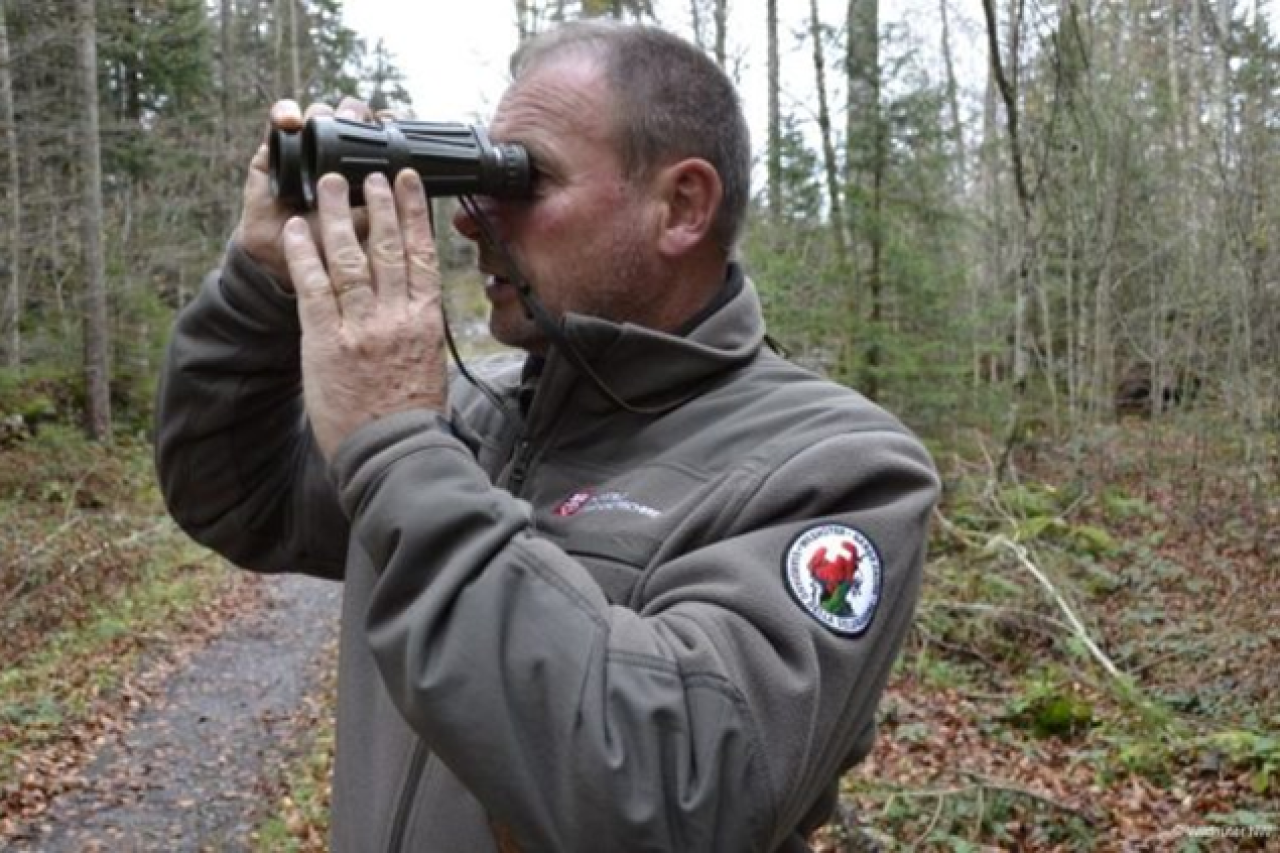
Wildlife rangers play an important role in nature conservation, and their specialised knowledge and experience give them a clear advantage over hobby hunters.
Wildlife rangers are able to make informed decisions and take effective measures to protect wildlife and plant life.
There are several reasons why wildlife rangers might be preferred over hobby hunters:
- Nature Conservation: Wildlife rangers are generally specialised in protecting and preserving the fauna and flora of a particular area. Their primary focus is on the protection and stewardship of natural resources, including the monitoring of populations and the prevention of poaching.
- Sustainability: Wildlife rangers often work in accordance with scientific findings and guidelines to ensure that hobby hunting takes place in a sustainable manner. This includes limiting culling quotas to avoid overpopulation and maintain the balance of the ecosystem.
- Expertise: Wildlife rangers often possess many years of experience and expertise in dealing with wildlife and their behaviour. They are able to identify endangered species, recognise diseases, and take measures to minimise potential conflicts between humans and animals.
- Public Safety: Wildlife rangers also assume the task of ensuring public safety, for example by monitoring certain areas and ensuring that wild animals do not come too close to people. They also play an important role in preventing wildlife accidents on roads.
- Education and Awareness: Wildlife rangers contribute to the education and awareness of the public by providing information about wildlife and nature conservation. They can visit schools and communities to inform them about the importance of environmental protection and raise awareness.
- Neutrality: Wildlife wardens act in the interest of nature conservation and ecosystems, while hobby hunters may often pursue personal interests, such as shooting a trophy animal. The neutrality of wildlife wardens ensures objective and comprehensive management of wildlife populations.
- Resource Management: Wildlife wardens often have a broader view of the overall natural resources of an area. They take into account various aspects such as food availability, habitat quality, and the preservation of endangered species. This enables more comprehensive and long-term planning of nature and wildlife management.
- Conflict Resolution: Wildlife wardens are trained and experienced in identifying conflicts between humans and animals and finding effective solutions. They can take measures to minimise damage to agricultural land or to ensure the protection of endangered species.
- Legal Aspects: Wildlife wardens are generally familiar with the relevant laws and regulations on nature conservation. They can ensure that hunting is carried out in accordance with applicable regulations and that potential violations are effectively prosecuted.
- Animal Welfare: For wildlife wardens, safety, ethics, and animal welfare play a major role. They cannot afford a single accident. Animal welfare means above all the prevention of wounded animals. This happens on a massive scale with hobby hunters.
Holistic Approach
Furthermore, wildlife wardens are often part of a larger network of conservation organisations, research institutions, and government bodies. This collaboration enables better coordination and a holistic approach to nature conservation.
Another point in favour of wildlife wardens is their ability to respond to unforeseen events or threats. Whether it is a natural disaster, the spread of disease, or the introduction of invasive species, wildlife wardens are prepared and can take swift and effective action to minimise the impact on fauna and flora.
Added Value:
- Swiss Wildlife Wardens Association
- Career Guidance: Wildlife Warden
- Hobby hunters — what are they?
- Geneva Hunting Ban
| You can help all animals and our planet with compassion. Choose empathy on your plate and in your glass. Go vegan. |