Federal Council wants to relax protection of wolf and bear
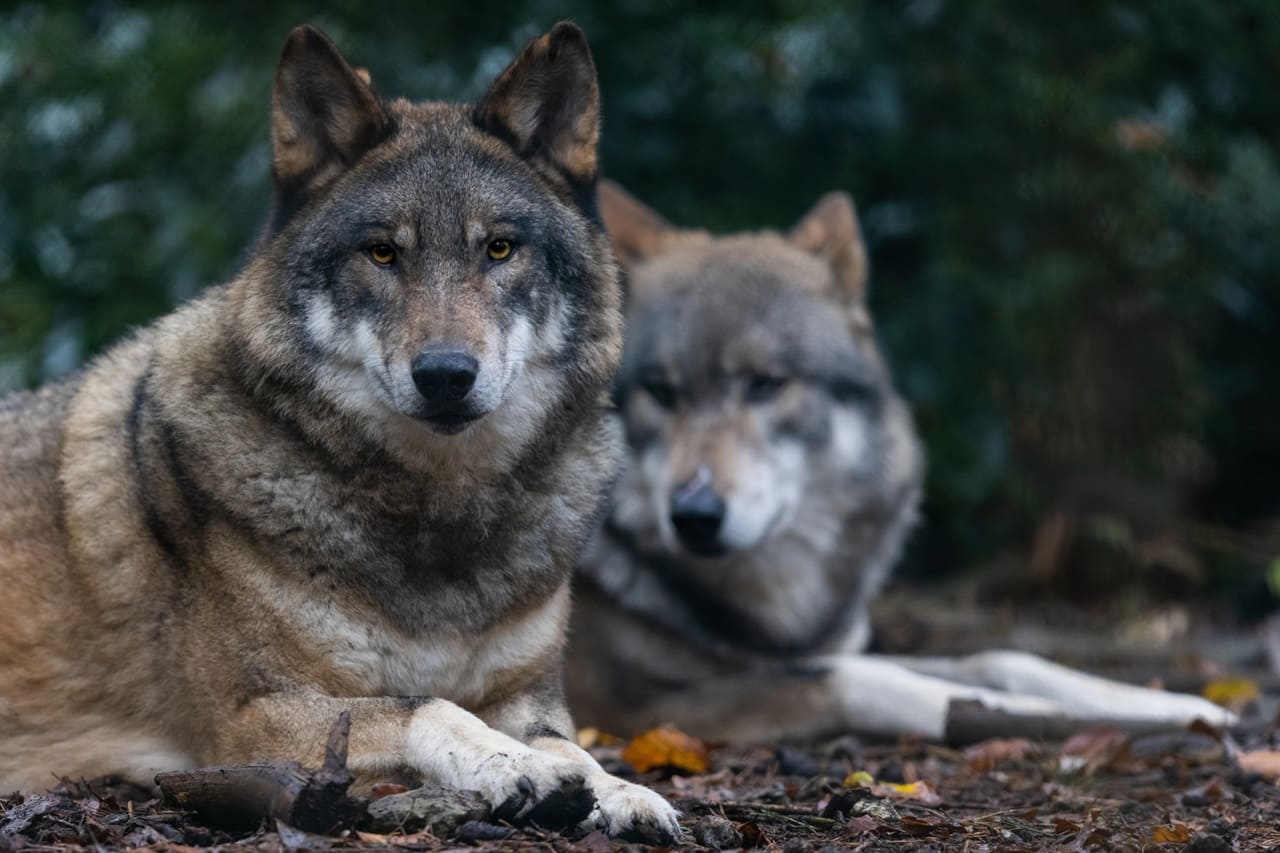
The Federal Council wants to relax the protection of wolves, bears, and other protected animal species. It should be permitted to cull populations if wildlife causes “great damage.” It is primarily livestock farmers in mountain areas who have difficulties with the wolf. More on the wolf in Switzerland.


It proposes that populations may be culled provided the wildlife causes great damage, endangers people, or threatens biodiversity.
Problems have arisen since large predators have been reclaiming habitat in Switzerland. Livestock farmers in mountain areas in particular struggle with the wolf, as animals are repeatedly killed. Bears occasionally cause problems by losing their shyness and approaching settlements. A revision of the hunting law is intended to ease these conflicts. The Federal Council opened the consultation process on Wednesday.
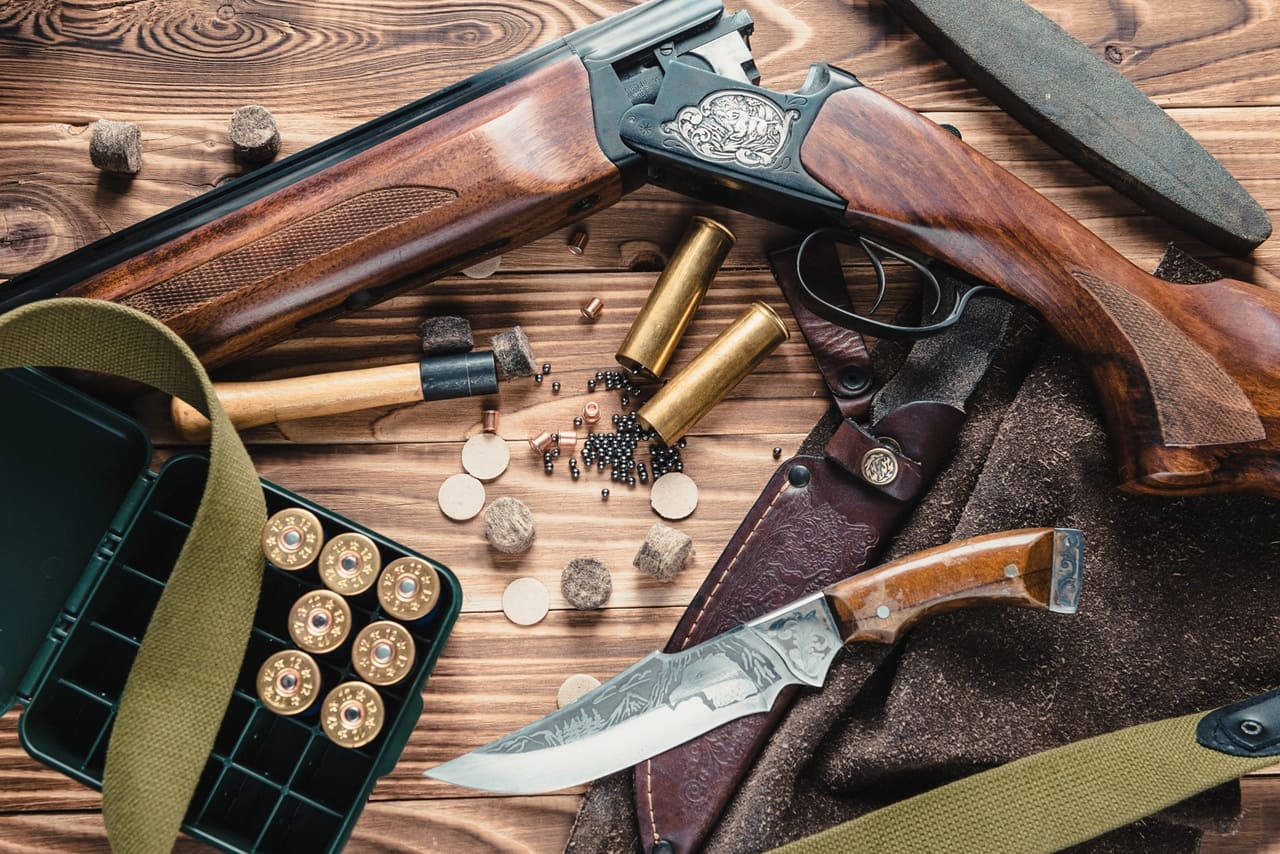
Under the new rules, authorities would not only be able to authorise the shooting of individual animals from protected species, but could also permit the culling of entire populations. The condition would be that the animals threaten habitats or biodiversity, endanger people, or cause great damage that cannot be prevented with reasonable effort.
Responsibilities would also be redistributed. Currently, the Federal Office for the Environment (FOEN) must authorise a cull. In future, the Federal Council would designate those animal species whose populations may be regulated. The decision on whether protected animals may actually be killed would then rest with the cantons. Concrete proof of damage would no longer be required. However, the population must not be endangered by the culling.
The wolf is explicitly mentioned in the draft legislation, even though it belongs to the strictly protected species under the Bern Convention. Exceptions are possible, however, in the interest of public safety or to prevent serious damage. As early as 2013, the Federal Council obtained assurances that population regulation would be compatible with the agreement under certain circumstances.
The revision of the hunting law is also intended to adjust closed seasons. All native species would be granted a closed season, while non-native species such as fallow deer, sika deer, and mouflon could be hunted year-round. The closed seasons for wild boar and cormorant would be shortened under the draft. The grey partridge and the great crested grebe would newly come under protection, while the rook could newly be hunted.
Finally, the Federal Council proposes a degree of standardization in hunting licensing. Licenses will continue to be issued by the cantons and allow hunting to be practiced within a given canton. The prerequisite is a passed hunting examination. The examination subjects — species and habitat protection, animal welfare, as well as the handling of weapons and marksmanship — are to be standardized in content and mutually recognized by the cantons.
The revision was triggered by various parliamentary motions, including the Engler motion, which calls for population regulation, and the Fournier motion, which aims to adapt the Bern Convention.