Sweden and Brown Bear Hunting
Sweden is not a "success story" of species protection in general terms, but an example of how populations can return while politics simultaneously wants to reduce large predators to minimal targets and conflicts (legal and illegal) persist

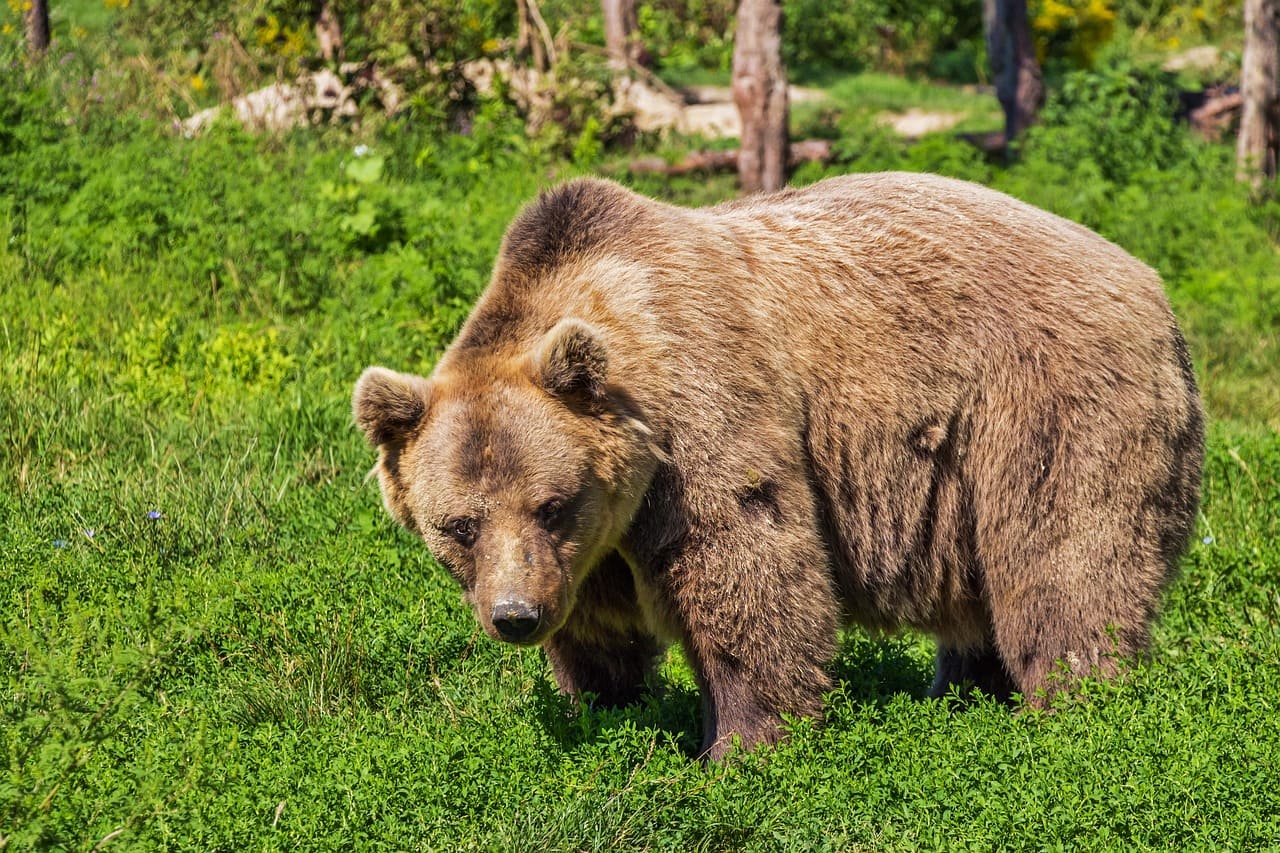
At the beginning of the 20th century, brown bears had practically disappeared from the country, with only around one hundred animals in isolated remnant populations.
Decades of protective measures, from the abolition of bounties to legal protection periods, led to the population recovering to over 3’300 animals in 2008. This development alone was internationally celebrated as a model for predator management.
Despite this success, the Swedish government authorized the killing of a large portion of the population for the first time again in 2024 as part of an annual "license hunt". A total of nearly 500 brown bears were approved, representing about 20 percent of the current population. Officially, this intervention is justified by the need to limit alleged damage to livestock and reindeer herds and to achieve "favorable conservation objectives".
Wildlife advocates and experts sharply criticize this course. They warn that such a reduced target population of 1,400 animals effectively amounts to a 60 percent decline from the 2008 peak and continuously undermines decades of protection efforts. The documented figures show how rapidly the population has declined again since the reintroduction of recreational hunting. Already in the year following the licensed hunt, a significant decline to around 2,400 animals was recorded.
Critics of recreational hunting describe the state-approved culls as "trophy hunting" that reflects more hunting culture than scientifically-based wildlife management. They argue that alternative approaches, such as protective measures like electric fencing, livestock protection or non-lethal conflict resolution, have not yet been adequately tested or implemented. In other countries, particularly in parts of North America, sustainable economic benefits are achieved through ecological tourism and respectful treatment of predators, without artificially suppressing populations.
Even more problematic is the legal classification: brown bears are among the strictly protected species in Europe under the EU Fauna-Flora-Habitat Directive. Critics accuse Sweden of undermining precisely this protection with high cull quotas, since the targeted killing of supposedly protected predators is not only ecologically questionable, but also raises rule-of-law concerns.
From a wildlife biology perspective, it is also argued that the long-term population of a large predator cannot be determined solely by fixed target numbers, but must consider a complex interplay of habitat, genetic diversity and social structure of the animals. Excessive removal disrupts social structures, increases stress levels in populations and can paradoxically even intensify conflicts with humans. This risk is often insufficiently addressed in official discourse.
The debate over Sweden's brown bears shows how quickly decades of success in species conservation can be called into question when hunting policy interests collide with ecological objectives. While international communities and science increasingly focus on coexistence-oriented approaches, Sweden remains an example of how traditional hunting practices continue to be institutionalized despite knowledge of ecological consequences. This development is not only an issue for expert circles, but a signal to all of Europe about how we want to deal with predators in the future.
Support our work
With your donation you help protect animals and give voice to their concerns.
Donate now →